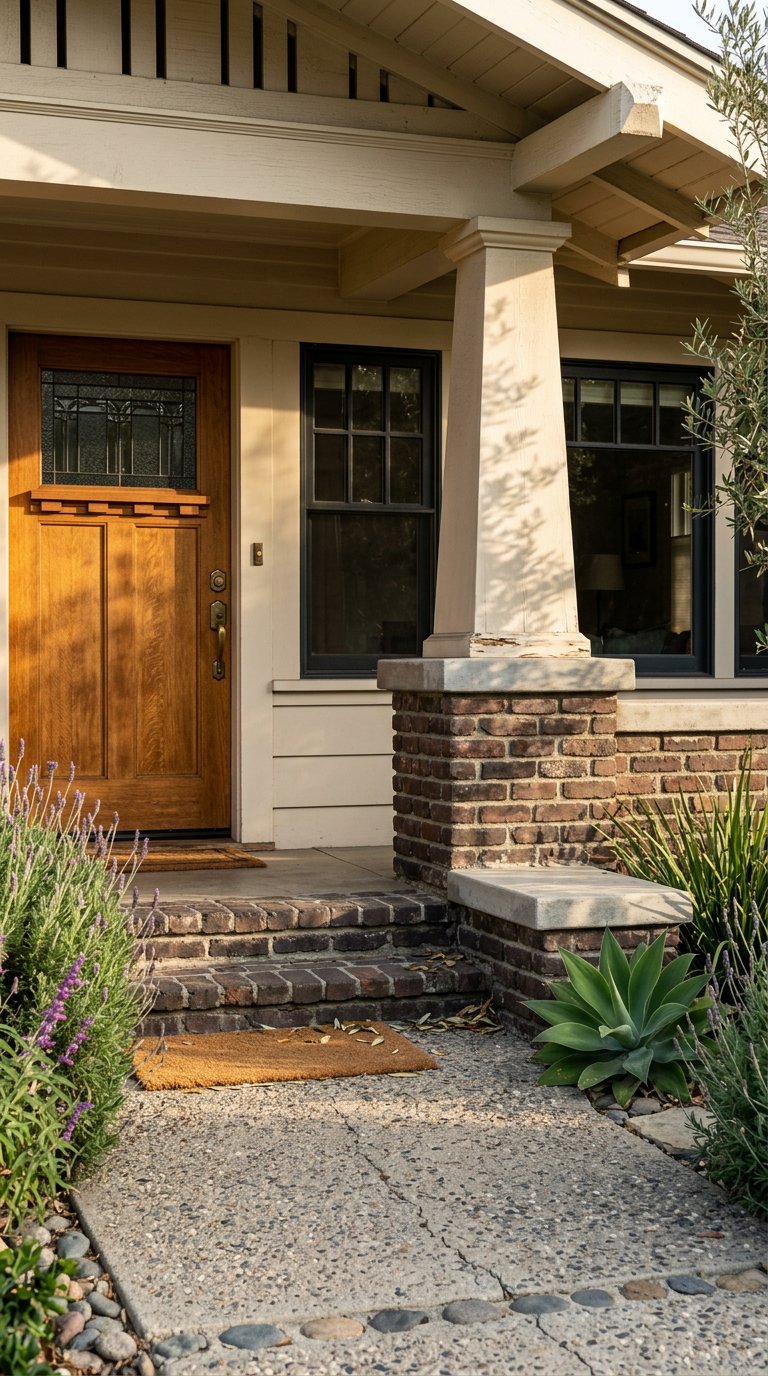
Love a classic Craftsman built-in or a sunlit Spanish arch? If you’re eyeing a character home in Eagle Rock, you want clear numbers and practical guidance before you make a move. This snapshot breaks down current prices, pace, and what drives value for beloved styles like Craftsman, Spanish Revival, and Mid-Century. You’ll walk away with data-backed tips to price, prep, buy, or renovate with confidence. Let’s dive in.
Eagle Rock market at a glance
Prices today
Eagle Rock’s typical home value currently falls around 1.2M to 1.4M depending on the source snapshot and method. Recent neighborhood reports show a median near 1.24M to 1.399M across providers. Those differences reflect timing and methodology rather than a conflict in trends.
Pace and competition
The market is competitive but calmer than the peak years. One major source shows a median of about 37 days on market, while another shows closer to 69 days because of how each tracks listing status. Well-priced, well-restored character homes still often sell near or above list price.
Inventory and seasonality
Active listings in late 2025 and early 2026 were in the dozens, with inventory and days on market both a bit higher than the ultra-tight 2020–2022 period. That shift gives buyers slightly more breathing room while keeping standout homes in high demand.
What counts as a “character home”
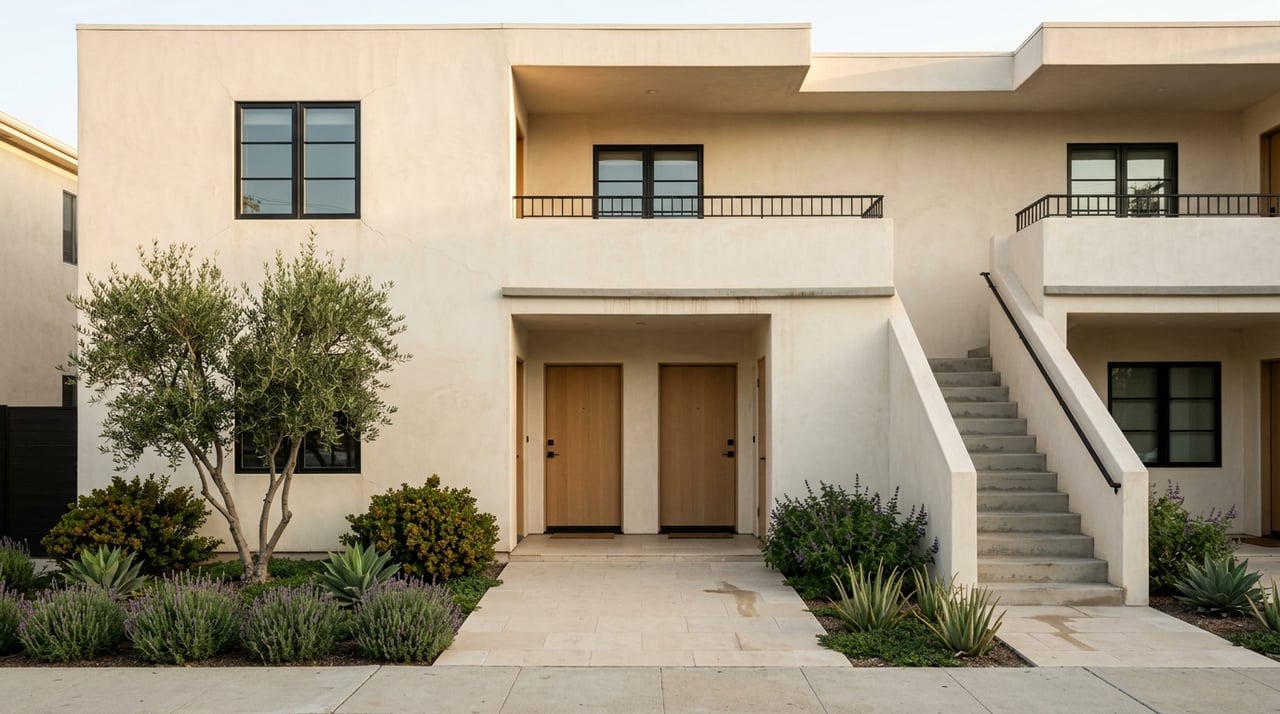
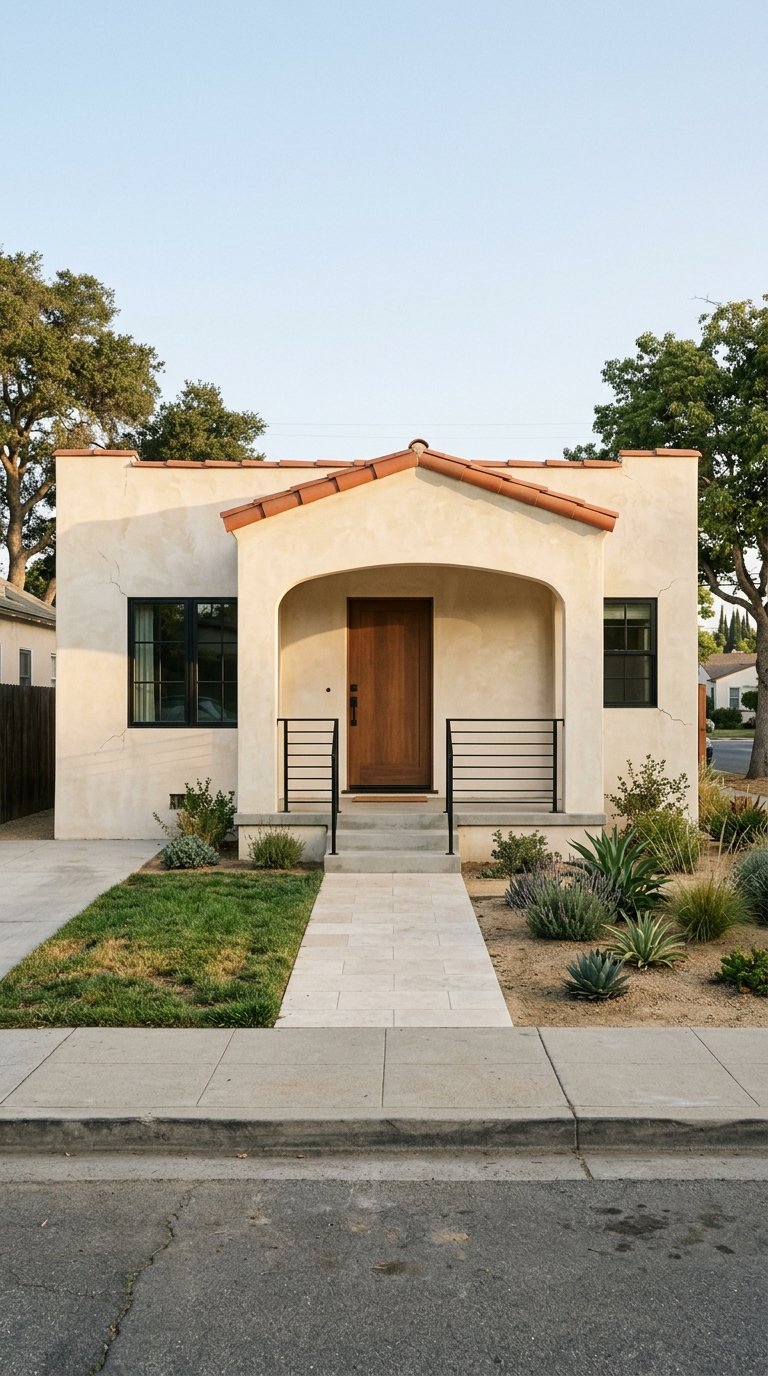
Character homes in Eagle Rock typically include early-20th-century Craftsman bungalows, 1920s–1930s Spanish and Spanish Revival residences, and Mid-Century properties from the postwar period. These homes often feature original millwork, built-ins, tile, hardwood floors, arched openings, and period massing that speak to the neighborhood’s history. Buyers respond to authenticity paired with thoughtful, functional updates.
Recent sales by style
Craftsman highlights
Representative solds in 2024–2026 include standout addresses with restored woodwork and curated updates. In this sample, price-per-square-foot ranged roughly 812 to 1,200 per sqft, with a sample median near 950 per sqft. Sample median sale price sat around 2.05M. Larger or fully restored homes on premium streets commanded the top end.
Spanish and Spanish Revival
Spanish-style sales ranged widely due to condition, lot, and whether a home was fully reimagined or offered value-add potential. Sample price-per-square-foot ranged about 565 to 1,018 per sqft, with a sample median near 780 per sqft and a sample median sale price around 1.93M. Renovation quality and setting drove the spread.
Mid-Century and postwar modern
Updated Mid-Century homes with preserved lines and tasteful interiors clustered at the higher end. Sample price-per-square-foot ran about 867 to 1,047 per sqft, with a sample median near 907 per sqft and a sample median sale price around 1.87M. Properties that balanced original bones with modern systems showed the strongest results.
What actually boosts value
Preserve period authenticity
Intact or sensitively restored character is a market positive in areas where buyers value architecture. Studies suggest historic and architectural significance can support a modest premium, though results vary by designation and region. Local historic reviews can add process steps, so factor that into timelines. For background on preservation-value effects, see this overview of historic designation research. Academic research on historic premiums
Invest where ROI is strongest
Not all upgrades are equal. According to the latest Cost vs. Value data, lower-cost curb-appeal and minor projects often recoup more than major additions. Items like a new garage door, steel entry door, siding, and minor kitchen updates have historically strong resale recovery, while expensive expansions usually recoup less. Use this as a guardrail to avoid over-improving beyond local ceilings. 2025 Cost vs. Value report
Systems and safety earn trust
Buyers of older homes want reliable electrical, roof, HVAC, and plumbing. Clean inspections, clear permits, and documented upgrades reduce risk, invite stronger offers, and shorten negotiations.
ADUs: value with nuance
Permitted ADUs can support value and potential income, but build costs are high and average immediate recoup is modest based on national benchmarks. Always model rental potential and timelines, and check local rules early. For policy context and resources, review the City of Los Angeles housing and ADU planning materials. City Planning housing initiatives | 2025 Cost vs. Value report
Seller game plan: character homes
- Price with precision by style and street. Use a style-aware CMA that reflects Craftsman vs. Spanish vs. Mid-Century, not broad neighborhood averages.
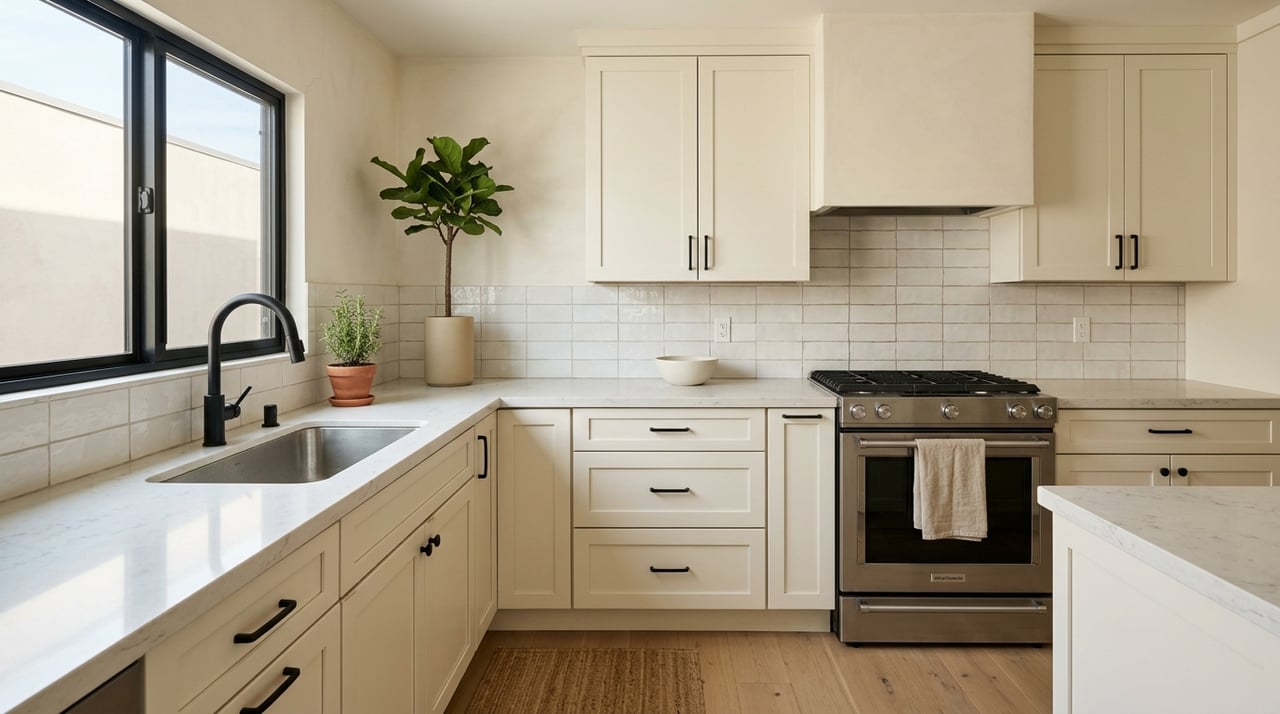
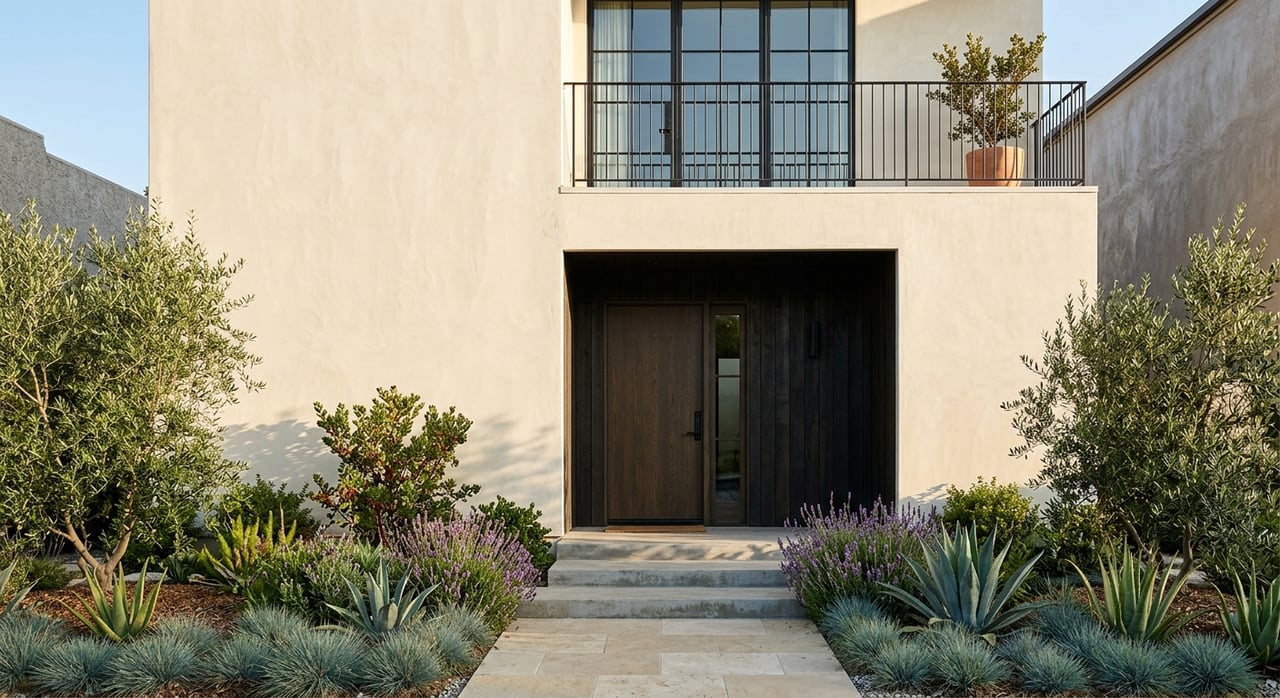
- Tackle high-ROI, high-visibility items first: front door, garage door, paint, landscaping, lighting, and a minor kitchen refresh where needed. Reference Cost vs. Value benchmarks to guide scope.
- Preserve and document original features. Photograph built-ins, millwork, vintage tile, and hardwoods, and note any restoration or provenance in your listing materials.
- Fix or permit key items before going live. Unpermitted work and structural flags slow deals and chip away at price. If you suspect historic status, consult City resources early. CEQA and planning record reference
Buyer playbook: evaluating a vintage gem
- Verify the backbone. Ask for permits, invoices, disclosures, and recent termite and structural reports. Prioritize houses with updated systems and clear records.
- Look beyond square footage. Tree-lined micro-locations, hillside settings, and proximity to local amenities can explain premiums. Compare street-level comps for accuracy.
- Weigh ADU and expansion potential. Confirm feasibility with City resources rather than assuming an easy add. Plan for time, budget, and design alignment. City Planning housing initiatives
Pricing and prep tips by style
Craftsman
- Emphasize woodwork, built-ins, and porch culture. Refinish floors, repair sash windows where practical, and use period-appropriate lighting.
- If the kitchen needs work, consider a modest refresh that respects the home’s lines rather than a full luxury overhaul.
Spanish and Spanish Revival
- Highlight arches, stucco texture, and original tile. Keep color palettes warm and cohesive. Repair stucco and ironwork before photography.
- Bathrooms can blend classic tile cues with modern plumbing and lighting for a balanced update.
Mid-Century
- Protect clean lines and original fenestration. Swap ornate fixtures for simple, warm-modern pieces.
- Update HVAC and electrical discreetly. Preserve original wood paneling where possible.
How to read days on market
Different sources track status differently. A home that reads 37 days on one platform might read closer to 69 on another because of how each treats active, pending, and closed periods. The practical takeaway is simple: standout character homes that are priced to their micro-market often get early traffic and strong offers. Overreaching on price or going live with unresolved red flags adds time and invites discounts.
What this means for you
- If you are selling, align your prep list with ROI data, protect the features buyers prize, and price to the ceiling for your block and style.
- If you are buying, focus on verified improvements and authenticity, and be ready to act on a strong match.
- In both cases, pair market context with a style-aware CMA and an on-the-ground plan for presentation.
Ready to position your Eagle Rock character home for maximum value or to target the right purchase with confidence? Schedule a discovery call with Silke Fernald for a style-specific strategy, curated vendor support, and disciplined execution from prep to closing.
FAQs
How are Eagle Rock prices trending for character homes?
- Median values across major trackers currently sit around 1.2M to 1.4M, with standout restored properties trading well above that when condition, lot, and location align.
What days on market should I expect in Eagle Rock?
- Depending on the data source and status tracking, you might see about 37 to 69 days, with well-priced, well-presented character homes often moving faster.
Which upgrades deliver the best resale ROI for vintage homes?
- Lower-cost exterior and minor interior projects tend to recoup more, while large upscale additions often recoup less; use the latest Cost vs. Value data to guide scope.
Do historic designations impact value and process in Eagle Rock?
- Historic significance can support value but may add review steps; confirm any designation early and plan timelines and budgets accordingly.
Should I build an ADU on a character property?
- An ADU can add utility and potential income, but costs are high and average immediate recoup is modest; confirm feasibility with City resources before committing.
What documentation should buyers request for older homes?
- Ask for permits, contractor invoices for major systems, full disclosures, and recent termite and structural reports to reduce risk and inform negotiations.