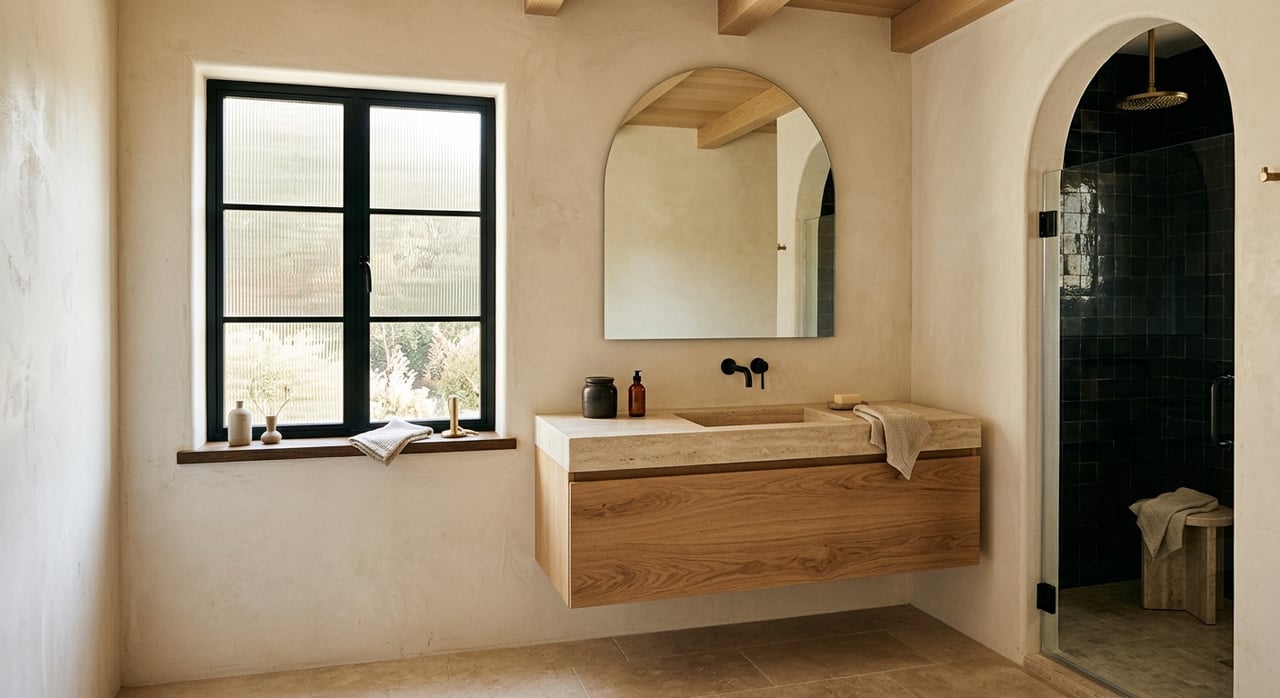
Wondering how to prep a design-forward Silver Lake home without stripping away the very character that makes it valuable? If you are getting ready to sell, it is easy to feel caught between improving the presentation and protecting the architecture. The good news is that in a neighborhood known for hillside siting, reservoir views, and notable architecture, the best strategy is usually not a total makeover. It is a thoughtful edit that makes your home feel cleaner, brighter, and easier to understand. Let’s dive in.
Why Silver Lake homes need a tailored approach
Silver Lake is not a one-size-fits-all market. Redfin reported a March 2026 median sale price of $1.3735 million and about 38 days on market, while Zillow’s March 31, 2026 home value index put the average home value at $1.436 million, with homes pending in around 36 days. Those figures measure different things, but together they suggest a high-value neighborhood where strong presentation can matter quickly.
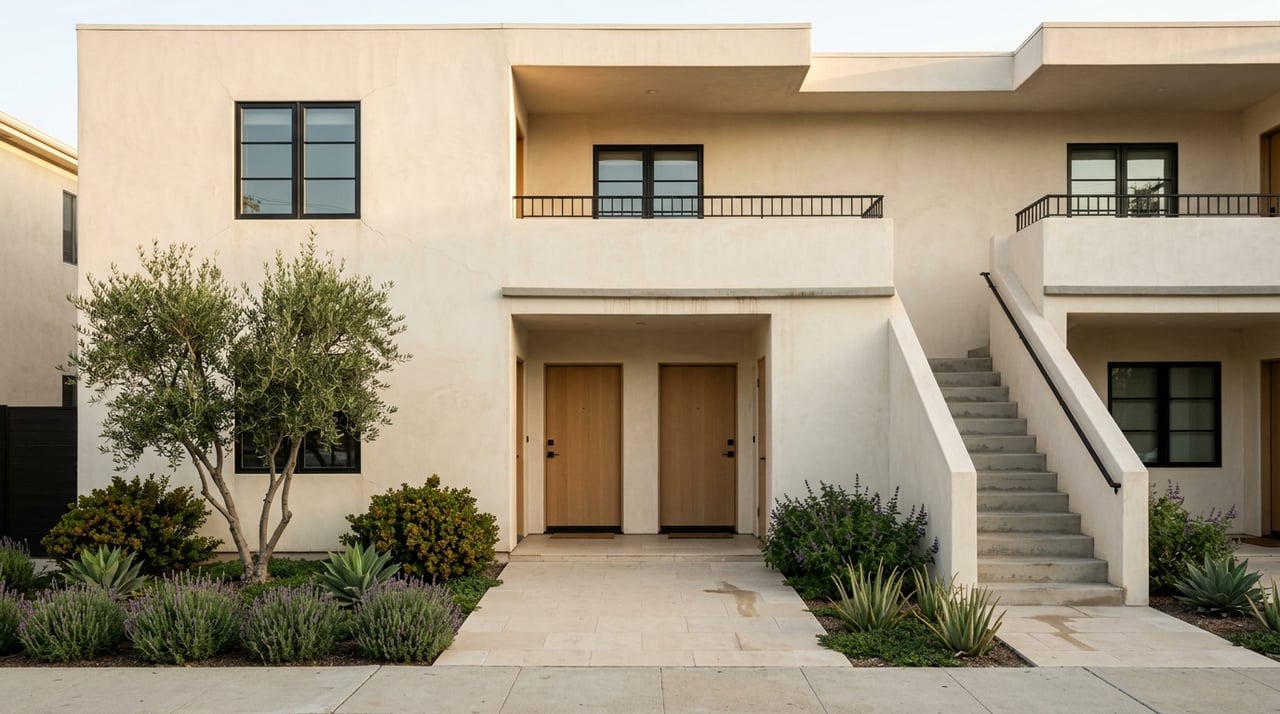
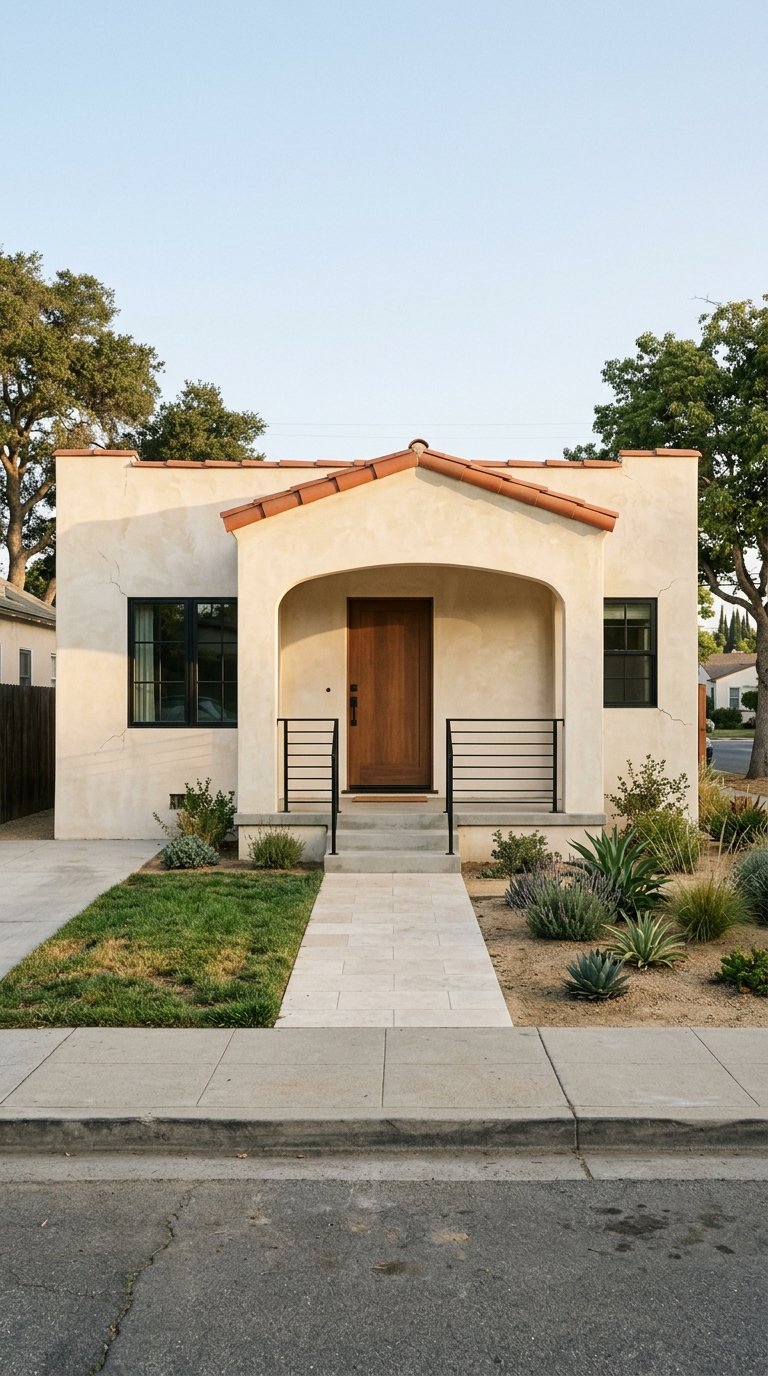
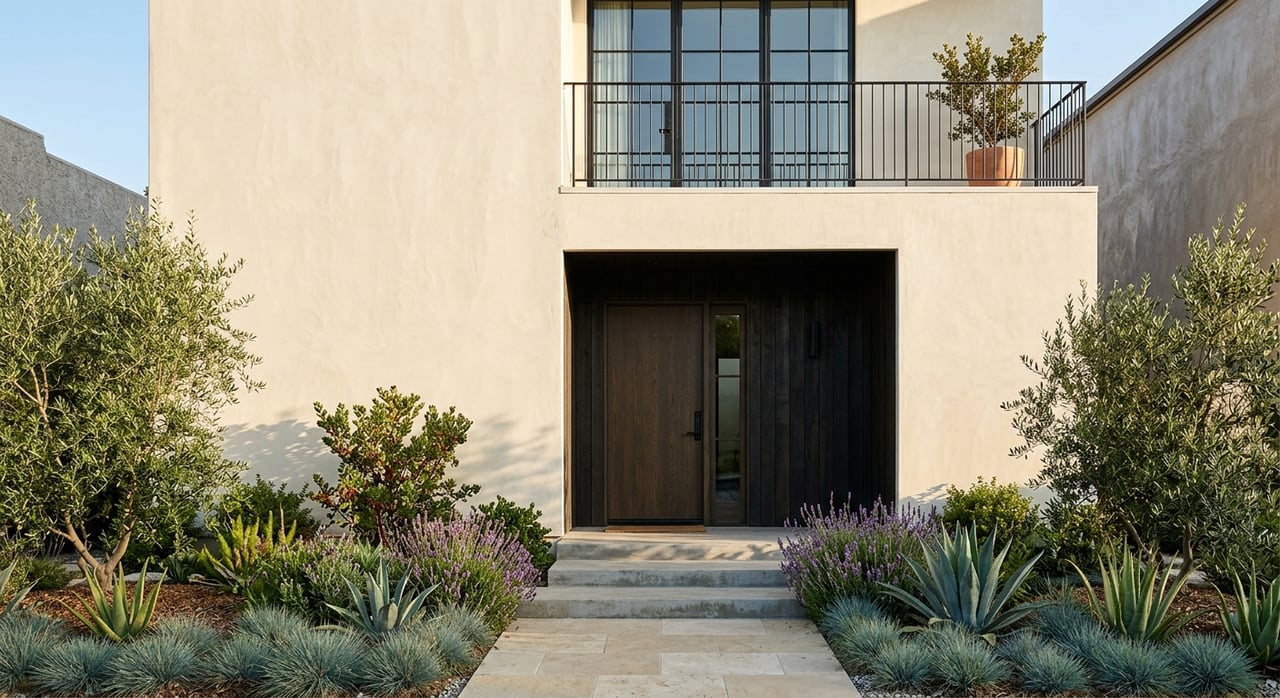
Just as important, Silver Lake has a distinct architectural identity. Los Angeles City Planning describes it as one of the city’s original open-reservoir communities, with homes oriented toward reservoir and hillside views. Planning documents also note the area’s concentrations of Period Revival and Mid-Century Modern architecture, including homes associated with designers like Richard Neutra, Rudolph Schindler, and Gregory Ain.
That context shapes how you should prepare your home for sale. In Silver Lake, buyers are often responding not only to square footage or finish level, but also to light, materials, layout, views, and original character. Your goal is to make those features legible from the first photo through the final showing.
Start with the home’s design story
Before you paint, replace, or remove anything, step back and identify what gives your home its point of view. That might be original windows, built-ins, wood detailing, a dramatic stair, indoor-outdoor flow, a courtyard, or a view line toward the hills. If your home has distinctive architecture, those features should lead the prep plan.
This is especially important in Silver Lake, where historic-district documentation notes common alterations like window, door, cladding, and façade changes. In many cases, refining or restoring the existing character is a stronger move than replacing it with a more generic finish package. A design-forward buyer is often looking for authenticity, not sameness.
Check historic status before exterior changes
If you are considering exterior cosmetic work, confirm whether your property is in a local historic district or HPOZ before you start. Los Angeles City Planning states that in HPOZs, exterior work can be subject to additional review, including landscaping, alterations, additions, new construction, and even some paint work.
That means a quick exterior refresh is not always as simple as it seems. If your house falls under added review, your prep strategy may need to focus more on careful maintenance, repair, and approved updates rather than broad visual changes. Knowing that early can help you avoid delays right before launch.
Prioritize the rooms buyers notice first
If you are deciding where to spend time and money, start with the rooms that tend to shape first impressions. According to the National Association of Realtors’ 2025 staging report, the most commonly staged rooms are the living room, primary bedroom, dining room, and kitchen.
For most Silver Lake sellers, that room order makes sense. These are the spaces where buyers read the home’s style, scale, and livability. In a design-forward property, those rooms also tend to carry the strongest architectural moments, whether that is natural light, a fireplace wall, a dining nook, or a clean connection to a patio or terrace.
Focus on cosmetic edits that clarify
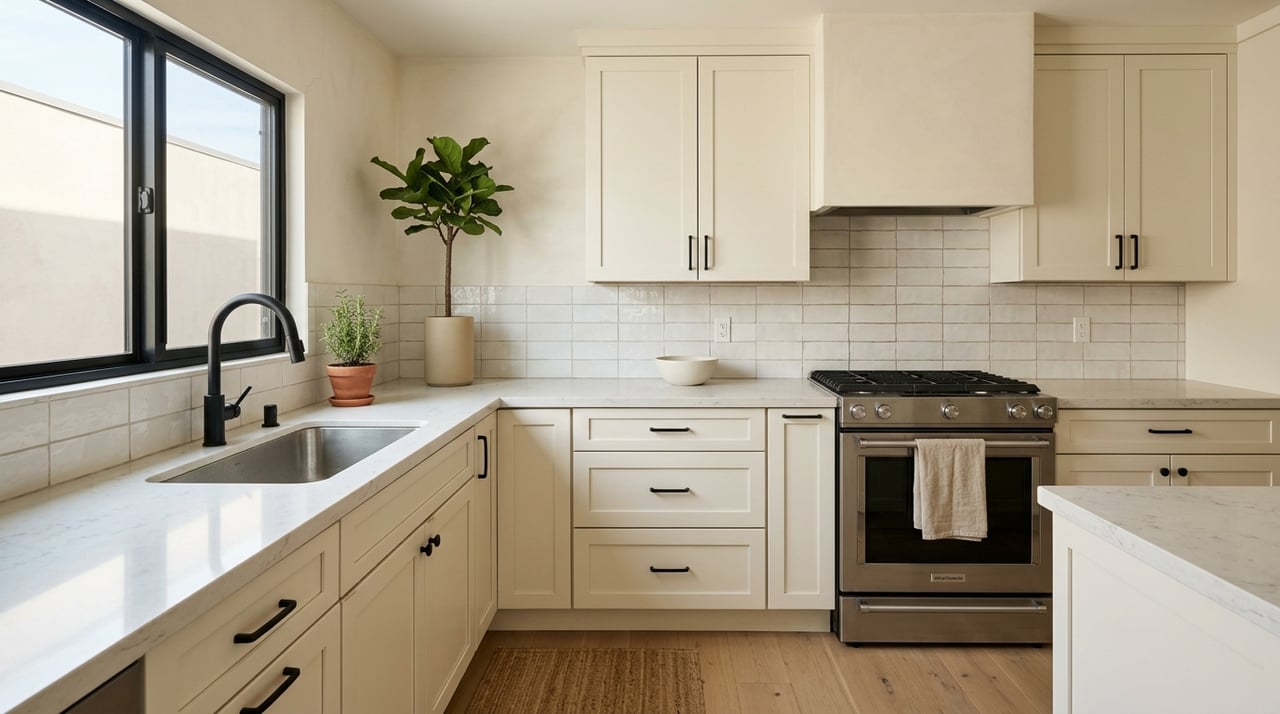
You do not always need a major renovation to improve marketability. Often, the highest-value prep work is the least flashy. Decluttering, touch-up paint, improved lighting, updated hardware, and minor repairs can make the home feel more cared for and more coherent in photos.
Think of cosmetic prep as editing, not erasing. A restrained palette, fewer but better furnishings, and more visual breathing room can help original materials and architecture stand out. In Silver Lake, that often means letting the windows, textures, and indoor-outdoor flow do the heavy lifting.
Use staging to support architecture
Staging works best when it helps buyers understand the home, not when it overwhelms it. The 2025 NAR report found that 83% of buyers’ agents said staging helps buyers visualize the property as a future home. The same report found that 29% of agents saw staging increase dollar value offered by 1% to 10%, while 49% said it reduced time on market.
For a design-forward listing, staging should feel intentional and restrained. Heavy decor, oversized furniture, or too many accessories can compete with the architecture. A cleaner layout with strong scale, soft texture, and negative space usually does more to highlight windows, ceiling lines, built-ins, and transitions to outdoor areas.
If you are wondering how much to budget, the NAR report found a median staging spend of $1,500 when a staging service is used. That number will vary by home and scope, but it offers a useful benchmark as you weigh where staging can have the most impact.
Highlight light, views, and flow
Silver Lake’s setting matters. Planning documents emphasize reservoir and hillside views, and the neighborhood’s architecture is closely tied to topography. That makes sightlines, terraces, patios, natural light, and interior-to-exterior transitions especially important when preparing your home.
As you get ready to list, pay attention to anything that interrupts those strengths. Heavy window coverings, bulky furniture, dark corners, or crowded outdoor areas can make the home read smaller and less connected to its setting. Even simple changes like repositioning furniture or opening up a view corridor can shift how the entire property feels.
Get disclosures and paperwork organized early
Presentation matters, but paperwork matters too. California’s Transfer Disclosure Statement is not a warranty and not a substitute for inspections. The California Department of Real Estate also flags issues like unpermitted additions or alterations and code-compliance concerns, which makes pre-listing prep a good time to document and address problems rather than cover them up.
For older Silver Lake homes, you may also need to prepare specific compliance items. California requires a smoke-detector compliance statement in single-family sales, water-heater anchoring or bracing certification, and lead-based paint disclosures for housing built before 1978. If your property has age or renovation complexity, getting organized early can reduce stress later in escrow.
Natural hazard disclosures matter as well. California’s Geological Survey says the Natural Hazard Disclosure Statement, or a local option statement, is used for seismic hazard disclosures, and the DRE notes that flood, wildfire, earthquake fault, and seismic hazard zones are disclosed based on actual knowledge and official maps.
Build a smart pre-launch sequence
The smoothest launches usually follow a clear order of operations. Instead of rushing the listing live and trying to finish details afterward, it helps to complete the prep work before the property hits the market.
A practical sequence looks like this:
- Verify permits and disclosures
- Complete minor repairs and cosmetic cleanup
- Stage the home
- Photograph and film it
- Launch only when the marketing package is ready
That sequence supports both presentation and execution. It also gives your home the best chance to make a strong first impression from day one.
Invest in media that matches the home
For a character-rich Silver Lake listing, media quality is not optional. NAR found that buyers’ agents rated photos as the most important listing media, followed by physical staging, videos, and virtual tours. Specifically, photos led at 73%, with physical staging at 57%, videos at 48%, and virtual tours at 43%.
That means your visual package should do more than document the rooms. It should reveal the layout, mood, light, and design story of the home. Professional photography is the baseline, and a walkthrough video or interactive asset can help buyers understand the experience of the space before they ever step inside.
Zillow reports that a 3D Home tour can help a listing sell 14% faster and receive 37% more views than listings without one. For a home with unique levels, indoor-outdoor circulation, or architectural details that need context, that kind of media can be especially useful.
Keep character, lose distraction
One of the biggest questions sellers ask is whether they should neutralize a design-forward home before listing it. In Silver Lake, the better answer is usually to keep the character and remove the distraction. Buyers are often drawn to homes here because they feel specific, not generic.
That does not mean every bold choice should stay. It means you should preserve what feels architectural and intentional while editing anything that reads too personal, too busy, or visually confusing. The sweet spot is a home that still has a point of view, but gives buyers enough space to imagine their own life in it.
Why this prep work pays off
In a neighborhood where homes can move in a little over a month, first impressions matter. A design-forward Silver Lake property often has more to communicate than a standard listing. It needs to show beauty, yes, but also clarity, condition, and confidence.
When you combine thoughtful prep, organized disclosures, strong staging, and polished media, you make it easier for buyers to understand the value of what they are seeing. That is often what turns interest into urgency. If you are planning a sale and want a strategy that protects the home’s character while positioning it for the market, Silke Fernald can help you shape the story, coordinate the details, and launch with intention.
FAQs
What updates matter most before selling a Silver Lake home?
- The most effective pre-sale updates are often cosmetic and presentation-focused: decluttering, touch-up paint, lighting improvements, minor repairs, and staging in the living room, primary bedroom, dining room, and kitchen.
Should you remove character from a design-forward Silver Lake house?
- Usually no. In Silver Lake, the stronger strategy is often to preserve original character and architectural features while editing distractions so the home feels cleaner, brighter, and easier for buyers to picture themselves in.
What should Silver Lake sellers know about historic review?
- Before making exterior changes, you should confirm whether the property is in a local historic district or HPOZ, because Los Angeles City Planning says exterior work in HPOZs may be subject to additional review.
What disclosures should sellers prepare before listing in California?
- Sellers should be ready for the Transfer Disclosure Statement and may also need smoke-detector compliance, water-heater bracing certification, lead-based paint disclosures for pre-1978 homes, and natural hazard disclosures based on actual knowledge and official maps.
Is staging worth it for a Silver Lake listing?
- Staging can be valuable because NAR found that it helps buyers visualize the home, may increase offers, and can reduce time on market. For a design-forward listing, the key is using staging that supports the architecture instead of overpowering it.
What marketing media helps a Silver Lake home stand out?
- Professional photography is essential, and video, virtual tours, or a 3D tour can add value, especially for homes with strong architecture, multiple levels, or notable indoor-outdoor flow.