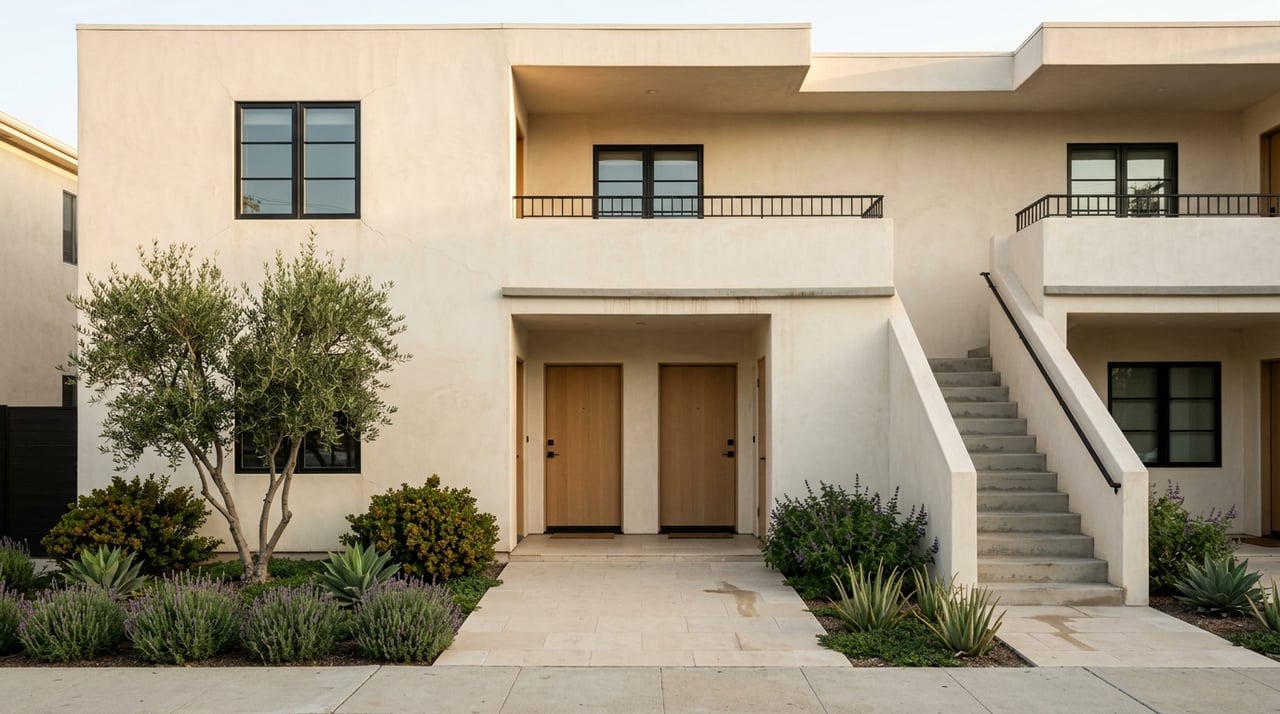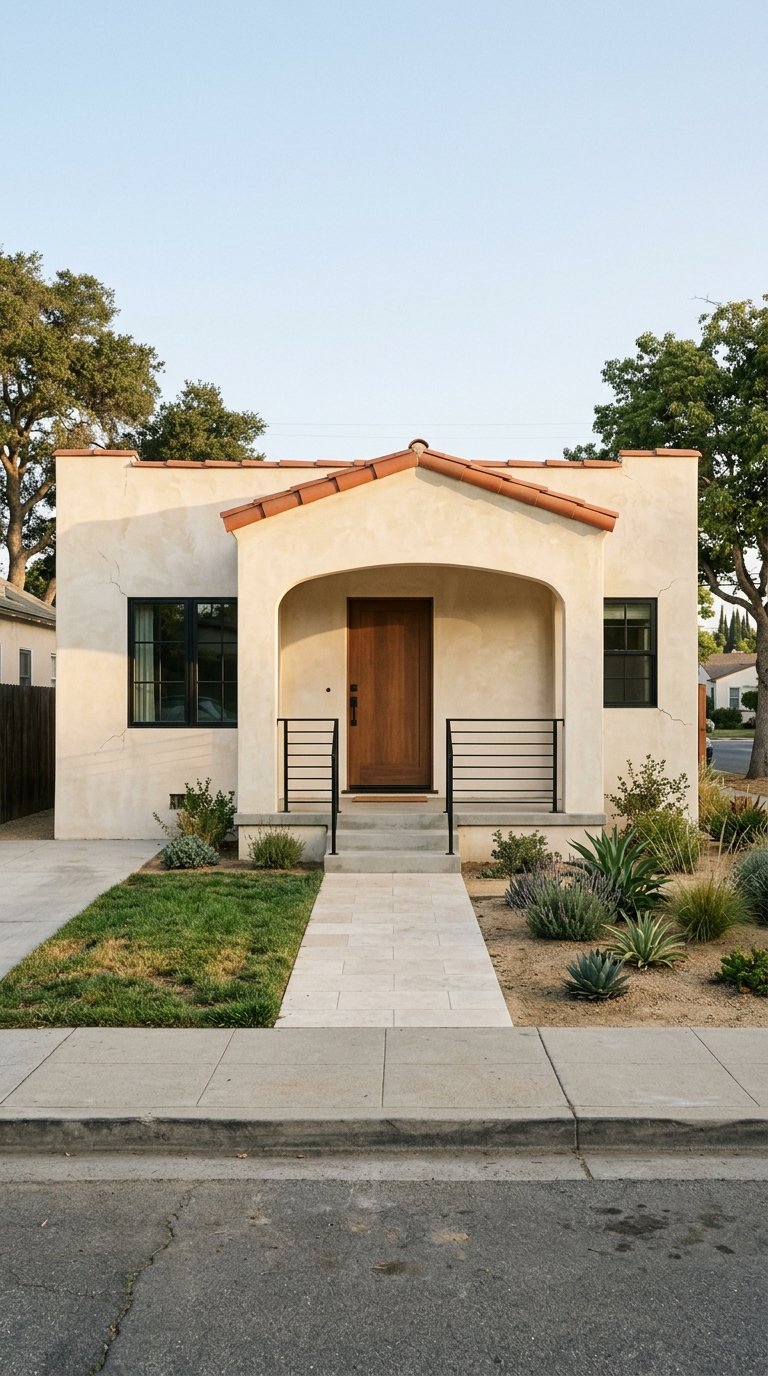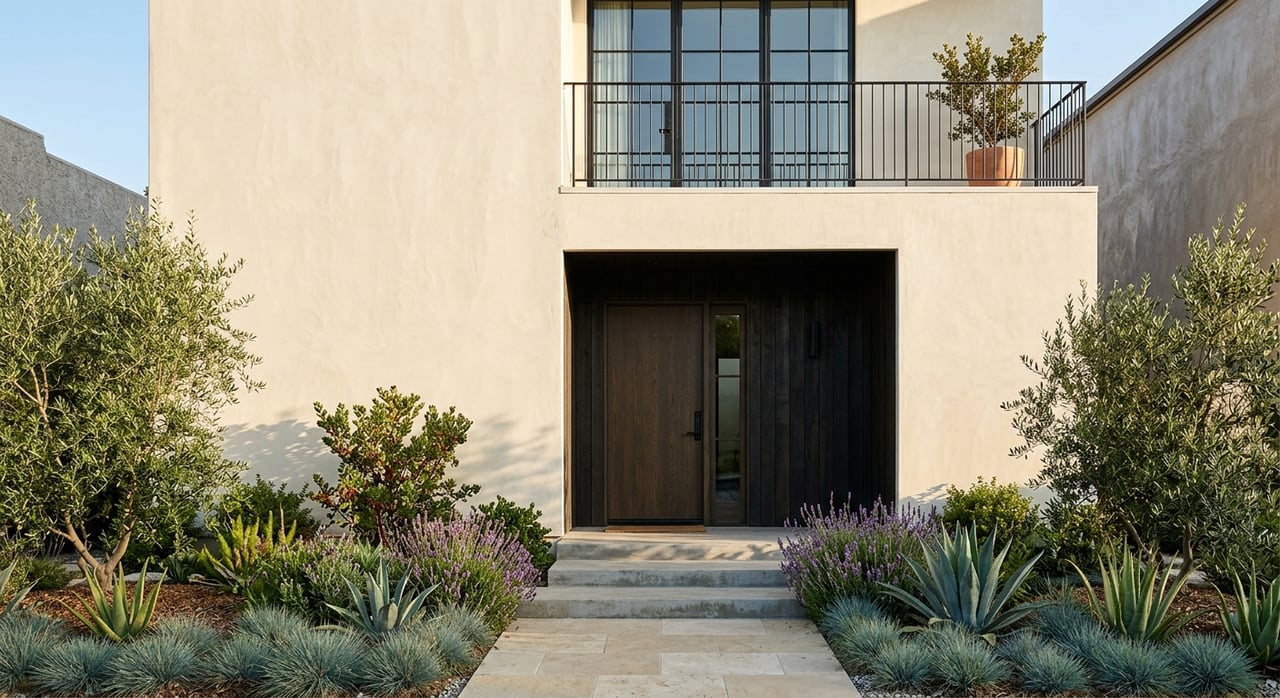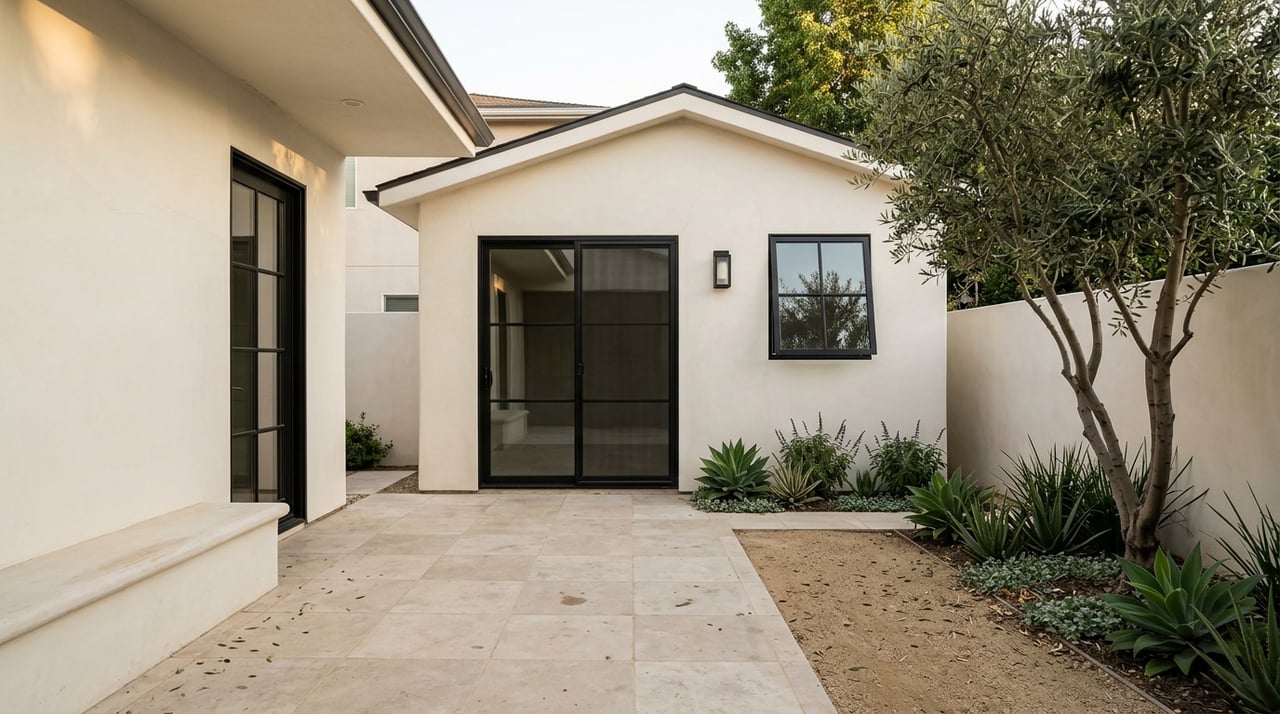
Wondering if adding an ADU before you sell in Atwater Village is a smart move? It can be, but it is not a universal upgrade that makes sense for every property or every timeline. If you are weighing resale goals against cost, permitting, and construction risk, this guide will help you think through where an ADU may add real value to your sale strategy and where it may slow you down. Let’s dive in.
What an ADU can do before a sale
The City of Los Angeles defines an accessory dwelling unit, or ADU, as a secondary residential unit on a property with a proposed or existing home. The city notes that owners build ADUs to create private living space, generate rental income, and potentially increase resale value or home equity, as outlined on the City of Los Angeles ADU overview.
For a seller, that matters because a finished, legal ADU can make your property more flexible and more appealing to a wider range of buyers. But there is an important catch: the upside is strongest when the unit can be completed cleanly, permitted properly, and presented as a market-ready feature before you list.
Why Atwater Village needs parcel-specific review
Atwater Village is not the kind of neighborhood where you should assume the same ADU plan will work from one lot to the next. According to the Northeast Los Angeles Community Plan area, Atwater Village sits within a planning context that can include the Atwater POD overlay, which means site conditions and planning rules depend on the exact parcel.
That is especially important if your property may be affected by historic-resource considerations. City historic-resources materials identify historic districts in Atwater Village, including the Atwater Village Equestrian Historic District, and that can make garage demolition or design decisions more sensitive.
In practical terms, this means your first question should not be, “Should I build an ADU?” It should be, “What does my specific lot allow, and how complex will approval be?”
When adding an ADU makes sense
If you have time, a feasible lot, and a clear permitting path, an ADU may support your resale strategy. The strongest case is usually when you can carry the property through permitting and construction and then bring it to market as a finished, fully permitted improvement.
This approach can be especially compelling if the ADU complements the existing home rather than competing with it. In a design-conscious market like Atwater Village, buyers often respond well to added flexibility when it feels intentional, legal, and well integrated.
Good candidates for a pre-sale ADU
A pre-sale ADU may be worth considering if most of the following are true:
- You are not in a rush to sell.
- Your parcel appears straightforward from a zoning and planning standpoint.
- You can complete the unit legally and document permits clearly.
- The ADU design fits the existing home and site.
- You want to widen buyer appeal with extra living flexibility.
If those pieces line up, an ADU can become part of a broader pre-sale positioning strategy rather than just a construction project.
When it may be better to skip it
An ADU is usually a weaker pre-sale move when speed matters more than added scope. If you need to list quickly, a major build can create delay, budget uncertainty, and permit risk that may not line up with your goals.
It may also be less attractive if your property would trigger more design review, involve sensitive garage removal, or require compromises that make the final result less clean. In those cases, a seller often does better by focusing on presentation, repairs, and simpler pre-market improvements.
Signs an ADU may not fit your sale timeline
You may want to skip an ADU before selling if:
- You want or need to list in the near term.
- Your lot may be affected by overlays or historic-resource concerns.
- The project depends on garage demolition or other site-sensitive changes.
- The build would stretch your renovation budget.
- You are not confident you can finish with permits in place before listing.
The main point is simple: an unfinished or complicated ADU project rarely markets as well as a clean, complete one.
Rules that affect timing and scope
California ADU rules have changed again in 2025 and 2026, and those updates matter if you are planning around a sale. The California HCD ADU handbook update says agencies must issue a completeness determination within 15 business days, which can help you understand sooner whether your application is ready to move forward.
That same handbook also confirms that owner-occupancy cannot be required for an ADU. So if you are wondering whether adding an ADU would force you to keep living on the property after construction, the answer is no.
Size can also affect cost and feasibility. HCD states that ADUs with 750 square feet of interior livable space or less, and JADUs with 500 square feet or less, are exempt from impact fees, which may make smaller projects easier to pencil.
Setbacks matter too. HCD says attached or detached ADUs can be subject to side and rear setbacks of no more than four feet, while ADUs created within an existing living area or accessory structure may not require setbacks at all. That is one reason conversions can sometimes be a more practical seller strategy than starting from the ground up.
Parking, solar, and plan review in Los Angeles
City rules can shape both your budget and your timeline. The LADBS ADU page states that parking is not required for new ADUs within a half-mile walk of public transit, and if covered parking is removed, it does not have to be replaced.
That said, detached new-construction ADUs built from scratch must have solar panels, according to LADBS. Fire sprinklers are not required unless they are also required for the main house.
If you are trying to reduce plan-check time, Los Angeles also offers an ADU Standard Plan Program. Standard plans can help speed permit issuance, but site-specific zoning and foundation requirements still need to be satisfied, so they are not a shortcut around parcel review.
Why conversions may be the smarter option
For many sellers, the better pre-sale move is not a brand-new detached ADU. It may be a garage conversion, an interior ADU, or another conversion-based approach that uses what is already there.
The City of Los Angeles recognizes several ADU types, including attached, detached, and conversion-based units such as garage conversions and home additions, as described on the city’s ADU resource page. Because conversion projects may avoid some setback issues and can be less complex than new detached construction, they can be easier to align with a sale timeline.
This does not mean a conversion is always easy. In Atwater Village, garage-related decisions can still be sensitive depending on the property and any applicable planning context. But if your goal is to create usable, legal square footage without taking on the longest possible path, a smaller-scope conversion may deserve the first look.
A simple decision framework for sellers
Before you commit to an ADU, it helps to evaluate the project through the lens of timing, legality, and presentation. Here is a practical way to think about it.
| Question | If Yes | If No |
|---|---|---|
| Can you wait through permitting and construction? | An ADU may be worth exploring | A simpler pre-sale strategy may fit better |
| Is your parcel straightforward to review? | You may have a cleaner path | Expect more uncertainty and delay |
| Can the project be fully permitted before listing? | It may support buyer confidence | It may create friction during sale |
| Would a smaller conversion work? | Consider that first | New construction may be harder to justify |
| Does the ADU suit the home and lot? | It may widen buyer appeal | It may feel forced or overbuilt |
This kind of screening can save you from spending time on a project that looks attractive in theory but does not support your actual sale goals.
What to check before you decide
Before moving forward, start with parcel-level due diligence. In this part of Los Angeles, that matters more than neighborhood-wide assumptions.
A smart first pass includes:
- Reviewing zoning and property conditions through city tools
- Checking whether overlays or historic-resource issues may apply
- Talking with a qualified architect or contractor about feasibility
- Using LADBS Preliminary Plan Check to clarify code questions before formal submittal
- Comparing a detached ADU against a garage or interior conversion
This upfront work can tell you whether an ADU is a strategic pre-sale investment or a distraction from a more effective listing plan.
So, should you add an ADU before selling?
Maybe, but only if your property, timeline, and permitting path support it. An ADU does not automatically increase sale price, and it should never be treated as a guaranteed return. What it can do is widen buyer appeal and strengthen your resale story when it is legal, thoughtfully designed, and complete before the home hits the market.
In Atwater Village, the best approach is usually careful, lot-specific planning first. If the path looks clean, an ADU may be a smart value-add. If the path looks complicated, a more focused pre-sale strategy may get you to market faster and with less risk.
If you are weighing pre-sale improvements in Atwater Village and want a plan that balances design, timing, and market positioning, Silke Fernald can help you evaluate the smartest path before you invest.
FAQs
Should you add an ADU before selling in Atwater Village if you need to list quickly?
- Usually not. If your timeline is short, permitting and construction may create more delay and uncertainty than benefit.
Does an ADU automatically raise sale price in Atwater Village?
- No. The City of Los Angeles notes resale value as a reason owners build ADUs, but the actual result depends on permit status, design quality, and buyer fit.
What should Atwater Village homeowners check first before planning an ADU?
- Start with parcel-specific zoning, overlays, and feasibility, then consider a Preliminary Plan Check with LADBS before submitting plans.
Do you have to live on the property after adding an ADU in California?
- No. Current state ADU law says owner-occupancy cannot be required for an ADU.
Is a garage conversion easier than building a detached ADU before selling?
- It can be. A conversion-based ADU may be a lower-complexity option than a brand-new detached structure, depending on your site and approvals.