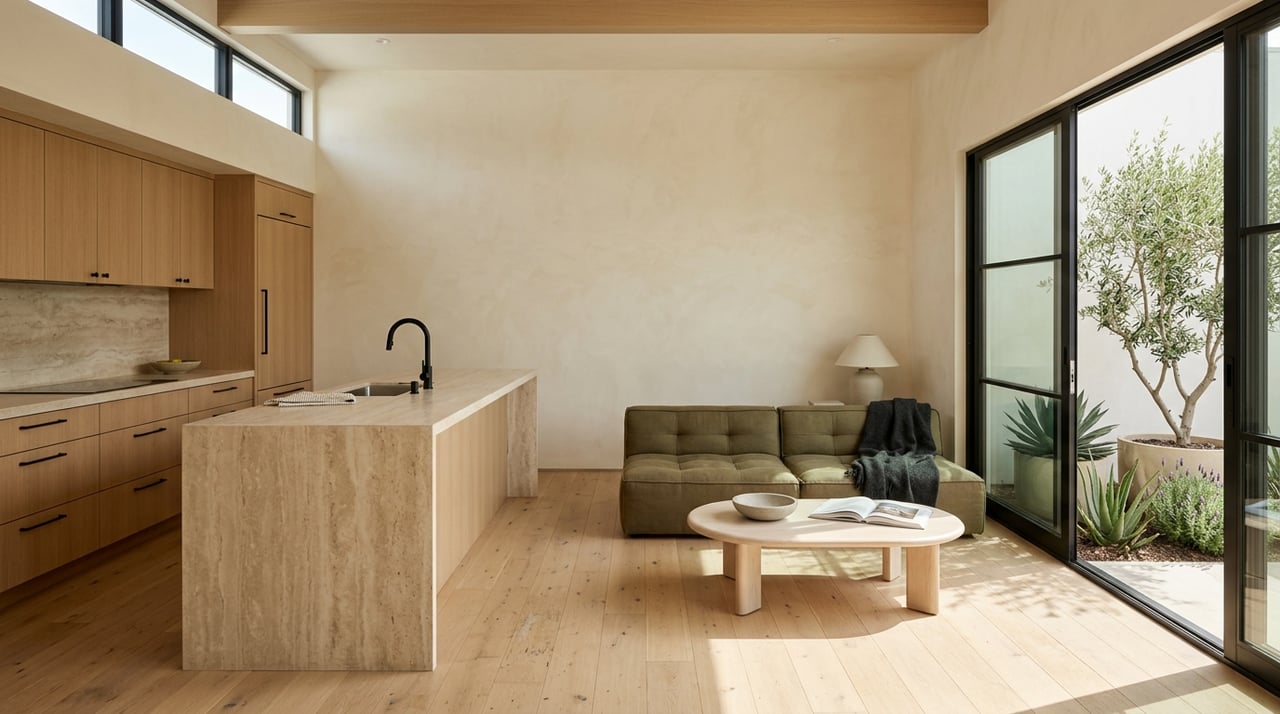
If you are planning a flip in South Los Angeles, the margin is often won long before the listing goes live. In a market where pricing can vary block by block and buyers are paying close attention to condition, a successful renovation-to-resale project depends on disciplined scope, clean execution, and a launch strategy that feels move-in ready. This guide walks you through what to focus on in South LA, where to be careful, and how to position your finished product for a stronger resale outcome. Let’s dive in.
South LA market reality
South Los Angeles is not a one-size-fits-all resale market. Recent snapshots place median pricing roughly in the mid-$600,000s to mid-$700,000s, depending on the data source and methodology, with timelines that range from about 44 days to pending to around 80 days on market. That spread points to an important takeaway: underwriting has to be hyper-local and comp-driven, not based on a single headline number.
Recent reporting also suggests a balanced or only somewhat competitive environment. Redfin’s South LA housing market data notes homes receive about two offers on average and tend to sell around 1% below list price, while Realtor.com and Zillow similarly point to balanced conditions. For you as an investor, that means the renovation has to justify its pricing through quality, presentation, and restraint.
Why scope discipline matters
In a softer or more balanced market, over-improving can be just as risky as under-improving. The safest play is usually not the flashiest one. It is the renovation that solves obvious condition issues, improves buyer confidence, and aligns with neighborhood comps.
The 2025 NAR Remodeling Impact Report found that 46% of buyers are less willing to compromise on condition. The same report points to strong demand for kitchen upgrades, bathroom renovation, and new roofing, while agents frequently recommend whole-home painting before a sale. In practical terms, that supports a value-add strategy built around visible quality rather than custom luxury.
Start with the house, not the fantasy
The best renovation-to-resale projects usually begin with a simple question: does the house already have the bones to support the exit price you need? In South LA, that often means buying for location, layout potential, and structural fundamentals before you start imagining expensive additions or highly specific design moves.
If the property already sits in a compelling location and has a workable footprint, your budget can go much further. You can direct resources toward the upgrades buyers notice first, while avoiding the timeline and permitting complexity that often come with major reconfiguration. In a balanced market, that can be the difference between a clean resale and a stalled listing.
Renovation priorities that tend to translate
For many South LA resale projects, the highest-value improvements are also the easiest for buyers to understand. They signal care, reduce perceived risk, and help a home read as complete rather than half-finished.
Consider prioritizing:
- Exterior paint and interior paint for a clean, cohesive first impression
- Roofing updates when needed, since buyers often react strongly to deferred maintenance
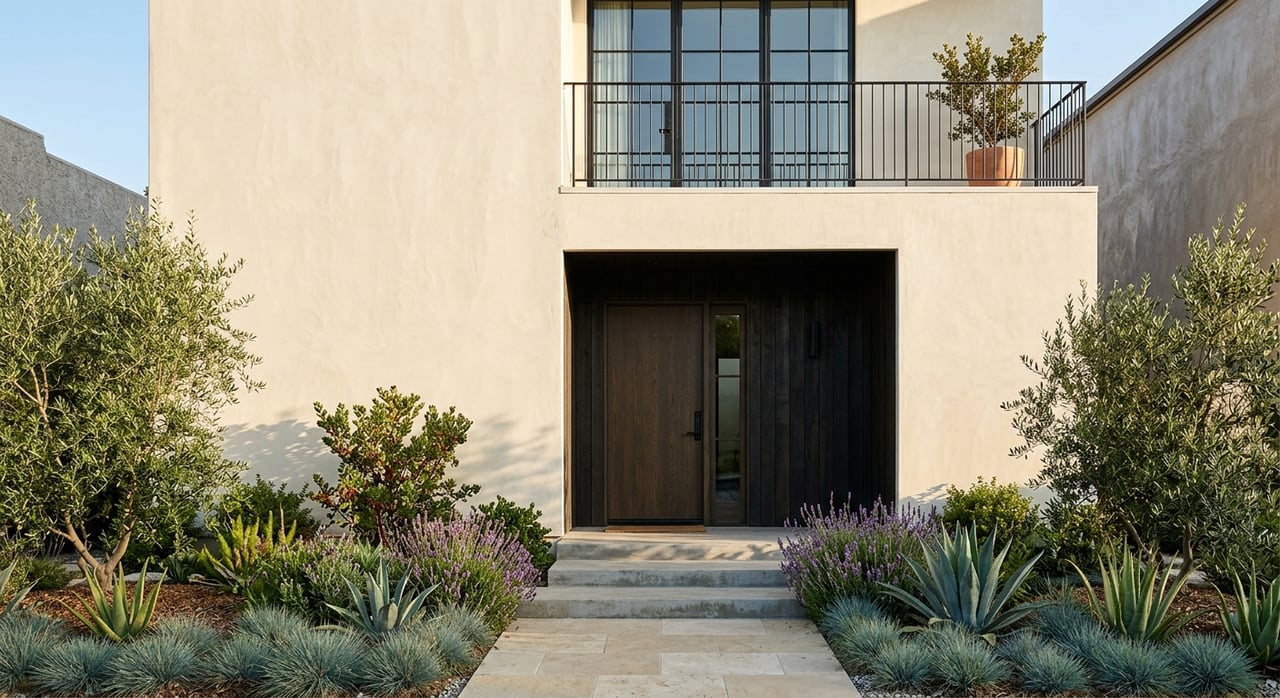
- A new front door or refreshed entry sequence, which NAR reported at 100% cost recovery in its sample for a new steel front door
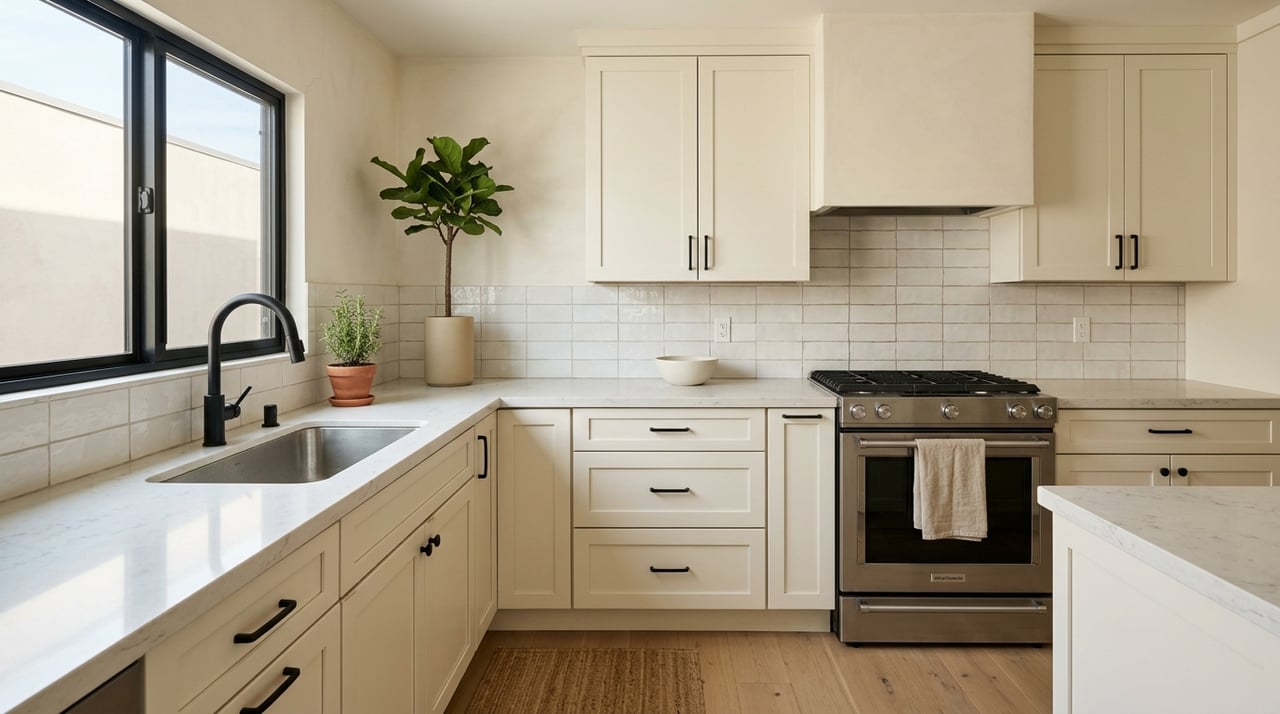
- Kitchen improvements that feel durable, bright, and functional
- Bathroom upgrades that address worn-out finishes and dated fixtures
- Window and door replacements where allowed and appropriate to the property and parcel rules
These upgrades line up with what buyers say matters most and what agents most often recommend before resale. They also support a smarter investment thesis: upgrade what looks tired, fix what creates doubt, and present the home as genuinely move-in ready.
Avoid overcapitalizing in South LA
Not every project benefits from added square footage, luxury finishes, or a dramatic redesign. In South LA, where market conditions appear balanced and pricing is highly neighborhood-specific, those decisions should be supported by nearby comparable sales, not optimism.
That is especially true if you are tempted to introduce finishes that materially exceed what buyers expect in the immediate area. A design-forward finish level can absolutely help a home stand out, but it still needs to feel consistent with the resale range the market can support. The goal is a polished product with broad appeal, not a budget that outruns the exit.
Check planning rules before finalizing design
This is one of the biggest operational issues in South Los Angeles. The South Los Angeles Community Plan area includes neighborhoods such as University Park, Adams-Normandie, Harvard Heights, West Adams Heights, Kinney Heights, Jefferson Park, Vermont Square, and Vermont-Knolls, and City Planning identifies multiple overlays in the area, including HPOZs and the South Los Angeles Community Plan Implementation Overlay.
That matters because parcel-level rules can affect what you are able to alter on a property. Before you underwrite facade changes, demolition, additions, or even certain window and exterior updates, you should confirm whether the parcel falls within a CPIO, HPOZ, specific plan area, or another overlay. In Los Angeles, those details can materially affect cost, timing, and scope.
Understand the Los Angeles permit path
In the City of Los Angeles, LADBS states that permits are required for private-property construction, alteration, or repair work. The city also offers ePlanLA for electronic plan review, and some simpler jobs may qualify for Express Permit processing, including same-size window and door replacements, re-roofing with Class A or B materials, kitchen or bathroom remodels, plumbing fixture changes, and rewiring outlets.
The general workflow typically starts with zoning research through ZIMAS, then design and plans, then permit filing. According to LADBS guidance on the construction process, projects that are by-right may proceed directly to LADBS, while projects affected by overlays or zoning issues may require additional City Planning review. For investors, that means your pre-close diligence should include more than just contractor walk-throughs and rough budgets.
Work only with properly licensed contractors
Contractor coordination can make or break your timeline. In California, the CSLB says a current, valid contractor license is required when a project needs a building permit, uses employee labor, or totals $1,000 or more in labor and materials.
For a South LA renovation, that makes verification non-negotiable. Before work starts, it is smart to confirm licensing status, collect written bids, request insurance information, and keep change orders organized. Good record-keeping protects your budget during construction and helps support a cleaner resale file later.
Build trust cues into the finished product
Buyers do not just respond to finishes. They respond to signals that the renovation was handled thoughtfully and completely. In a market where condition matters and homes may not fly off the shelf automatically, those trust cues can shape both showing activity and offer quality.
The strongest trust cues often include:
- A cohesive paint palette throughout the home
- A well-resolved kitchen and updated baths
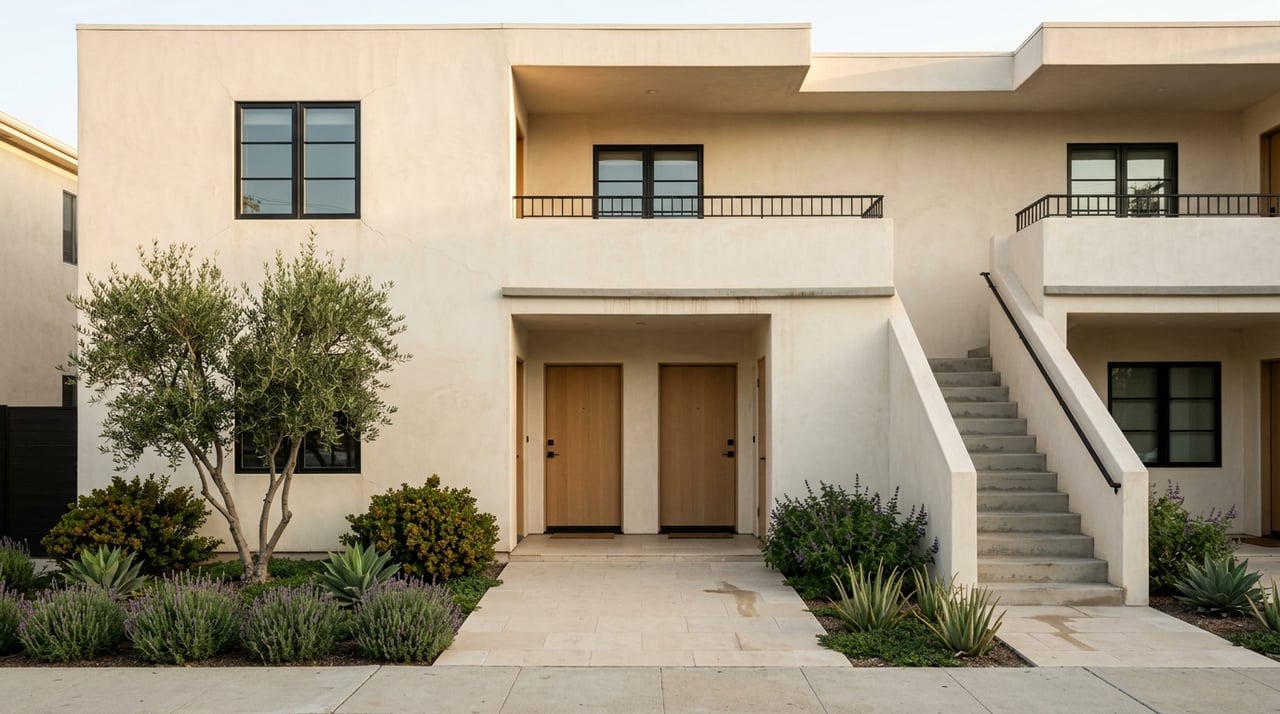
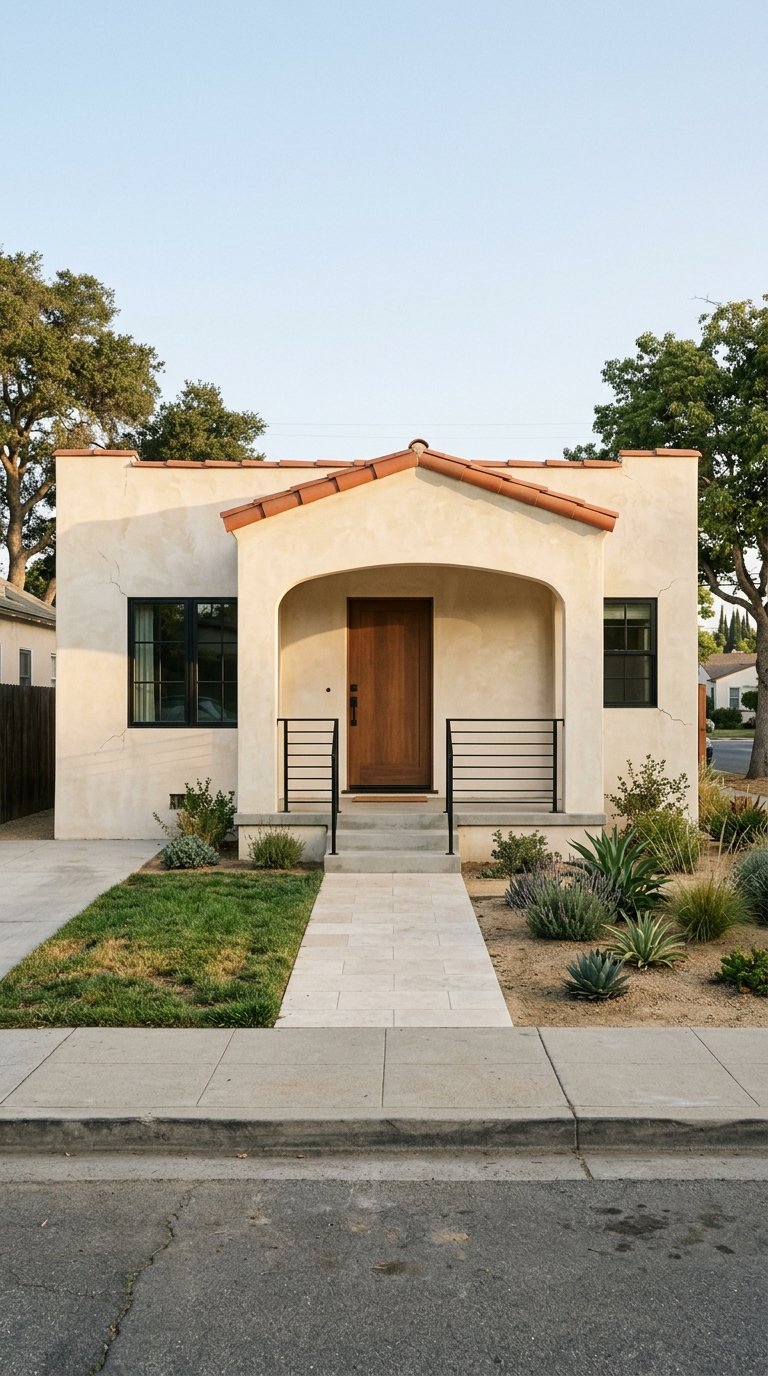
- Clean exterior presentation and curb appeal
- Functional improvements like roofing or permitted systems work when needed
- Final permit sign-offs and organized documentation
According to LADBS, permitted work can provide important documentation when a property is sold or refinanced. That makes permit closeout part of your resale strategy, not just a construction milestone.
Launch with presentation, not just pricing
Once the work is done, the marketing plan matters. The 2025 NAR staging report found that 29% of agents said staging increased the dollar value offered by 1% to 10%, and 49% said staging reduced time on market. Buyers also ranked the living room, primary bedroom, and kitchen among the most important spaces to stage.
In South LA, that supports a launch strategy built around clarity and cohesion. Neutral finishes, strong photography, a clean design story, and focused staging can help buyers quickly understand the value of the renovation. Listing photos, physical staging, video, and virtual tours all matter because they shape first impressions before a buyer ever walks through the door.
Price for the market you have
Even a well-executed renovation needs a realistic pricing strategy. When market signals point to balanced conditions and homes often sell near, but slightly below, list price, your exit depends on aligning the product with current buyer expectations and recent local comps.
That means resisting the urge to price based only on construction cost or best-case projections. A disciplined launch pairs the right finish level with a pricing strategy grounded in real neighborhood data, current absorption, and the property’s actual position in the market. In South LA, precision usually outperforms wishful thinking.
A practical South LA flip framework
If you want a simple way to evaluate a renovation-to-resale project in South Los Angeles, this is a strong working framework:
- Buy for location and fundamentals rather than assuming a major redesign will save the deal.
- Research parcel-level overlays early through city planning resources before finalizing scope.
- Focus the budget on visible quality such as paint, roof, entry, kitchen, baths, and other condition-sensitive updates.
- Use licensed contractors and keep records so your file is clean for resale.
- Launch with strong presentation through staging, photography, and a clear design story.
- Price with discipline based on neighborhood comps and current market conditions.
That approach is not flashy, but it is often what protects margin in a neighborhood-by-neighborhood market like South LA.
If you are evaluating a South Los Angeles project and want a design-aware, resale-focused perspective on scope, presentation, and go-to-market strategy, Silke Fernald can help you think through the details and next steps.
FAQs
What makes South Los Angeles different for renovation-to-resale projects?
- South LA appears to be a neighborhood-by-neighborhood market with pricing that varies by source and location, so your underwriting, scope, and pricing need to be highly local rather than generalized.
What renovation updates tend to matter most for South LA buyers?
- Based on NAR reporting, buyers are paying close attention to condition, and practical updates like paint, roofing, kitchen improvements, and bathroom renovation tend to align well with resale-focused projects.
What permit issues should investors watch for in South Los Angeles?
- You should confirm whether a parcel is affected by overlays such as a CPIO, HPOZ, specific plan area, or other local controls before finalizing design, demolition, facade, or addition plans.
What Los Angeles remodel work may qualify for Express Permit processing?
- LADBS says some simpler work may qualify, including same-size window and door replacement, re-roofing with Class A or B materials, kitchen or bathroom remodels, plumbing fixture changes, and rewiring outlets.
What contractor rules apply to a South LA investment remodel?
- California CSLB says a valid contractor license is required for projects that need a permit, use employee labor, or total $1,000 or more in labor and materials.
What resale launch strategy can help a renovated South LA listing?
- A clean launch often includes staging, strong listing photography, video or virtual tour assets, final permit sign-offs, and pricing that reflects current neighborhood comps and balanced market conditions.