Wondering how to sell a renovated bungalow in West Adams without leaving money on the table? In a neighborhood where buyers often notice original character and renovation quality at the same time, your pricing, presentation, and paperwork all matter. If you want to position your home clearly and confidently, this guide will walk you through what to focus on before you list. Let’s dive in.
Know the West Adams context
West Adams sits within the West Adams-Baldwin Hills-Leimert Community Plan area, which includes several neighborhoods and a strong historic-preservation framework. According to Los Angeles City Planning, the area includes multiple Historic Preservation Overlay Zones, or HPOZs, such as West Adams Terrace, Western Heights, Adams-Normandie, Jefferson Park, and Lafayette Square.
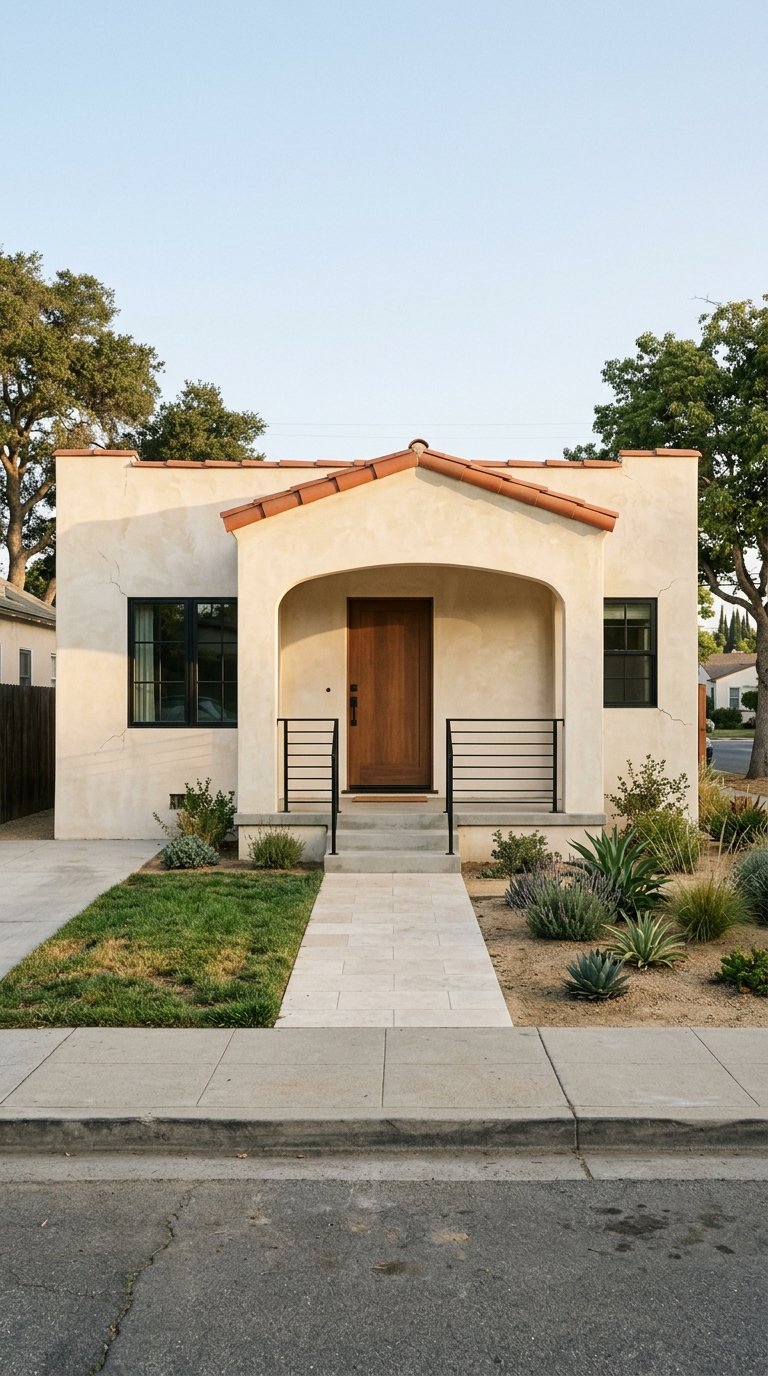
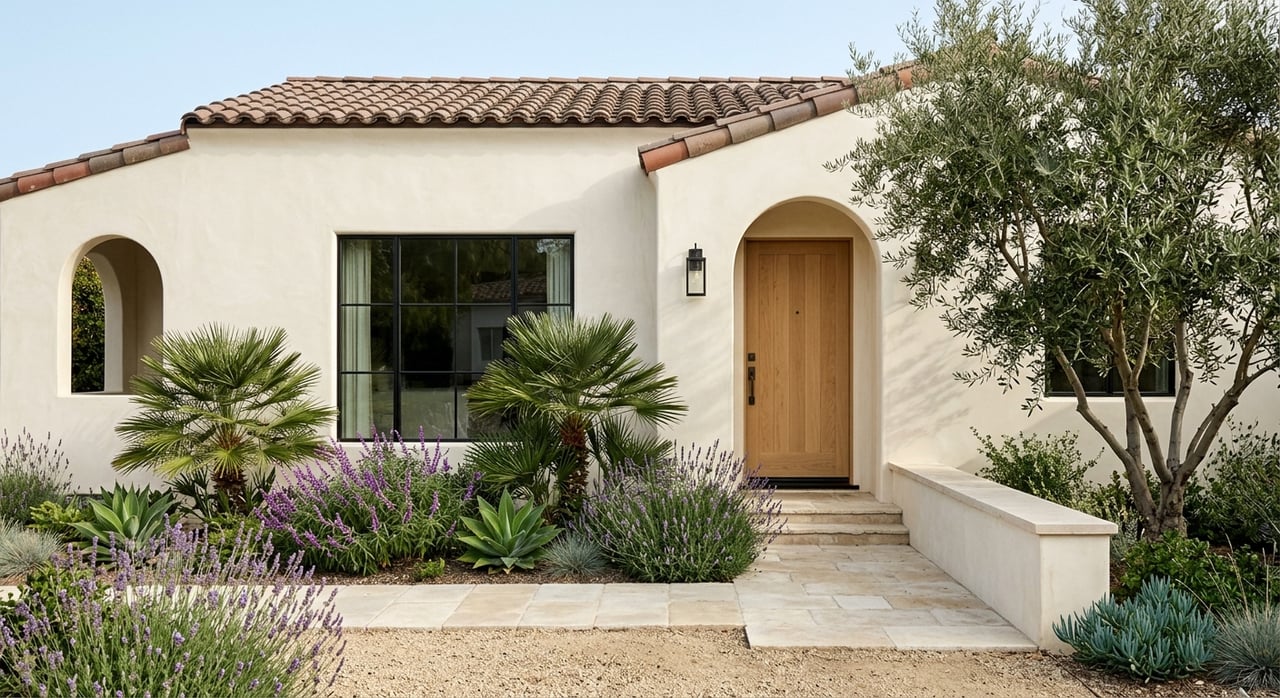
That matters because West Adams has a wide range of historic housing styles. City Planning notes you will find everything from Victorian cottages to Craftsman, Mission Revival, Tudor Revival, Spanish Colonial Revival, and Shingle homes in these districts. If you are selling a renovated bungalow, buyers are not just comparing square footage. They are also comparing style, preservation, and how thoughtfully the home has been updated.
Price for the market you have
A renovated bungalow can attract strong interest, but pricing still needs to reflect current conditions. As of March 2026, Realtor.com reports a median listing price of $1,117,499 in West Adams, with 63 homes for sale, a median price per square foot of $788, and a median of 45 days on market.
The same market report shows a February 2026 sale-to-list ratio of 98%, which means homes sold at about 2.27% below asking on average. In plain terms, buyers are active, but they are still sensitive to overpricing. That is why your asking price should come from relevant comparable sales, current condition, and market momentum rather than renovation cost alone.
Compare the right homes
In West Adams, the best comps are usually homes that match your property in more than just size. You want to look at homes with similar architectural style, a similar level of finish, and a similar location within the neighborhood.
A polished Craftsman bungalow on one block may compete differently than a partially updated home a few streets away. When buyers walk into a character home, they are weighing the original details, the layout, the finishes, and the overall integrity of the renovation together.
Separate cosmetic work from core upgrades
Not all improvements carry the same weight with buyers. Fresh paint, new fixtures, and updated styling can help a home show well, but structural and mechanical upgrades often strengthen the value story in a different way.
Before listing, organize your renovation scope into two buckets:
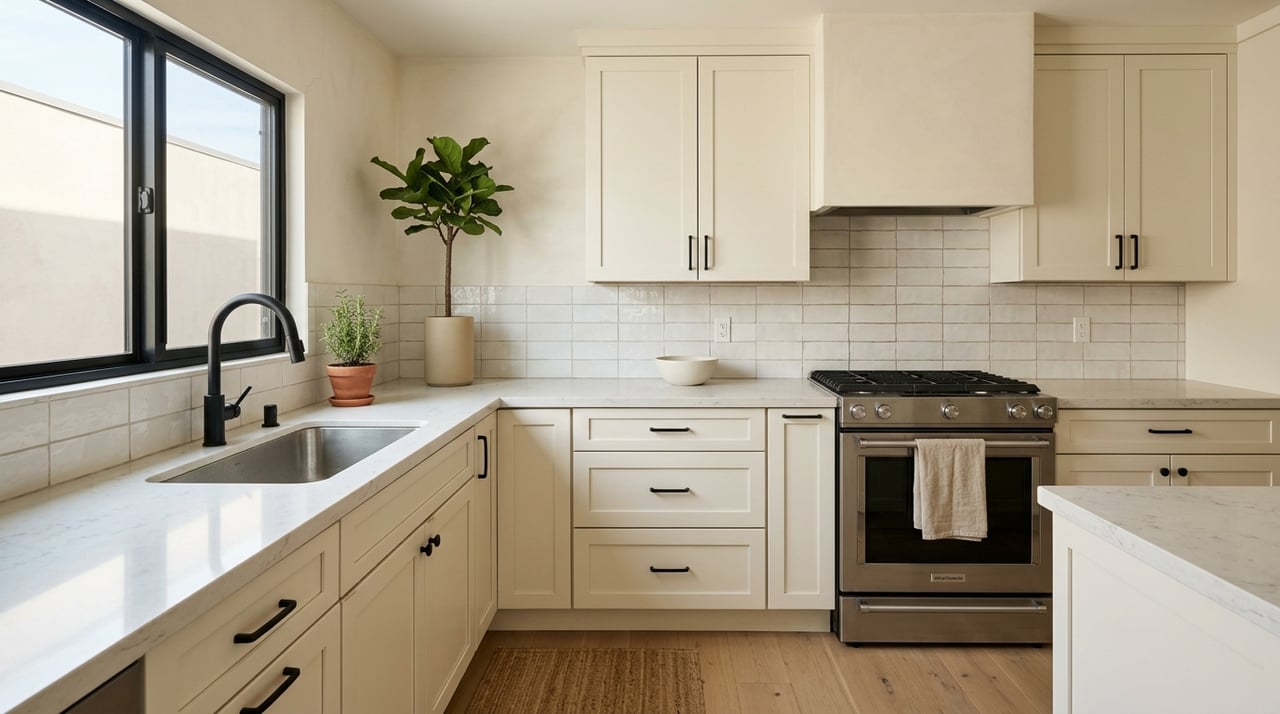
- Visible updates like kitchen finishes, bath improvements, flooring, and lighting
- Behind-the-scenes upgrades like electrical, plumbing, foundation, roof, or HVAC work
That distinction helps you price more accurately and market the home more credibly.
Lead with charm and substance
The strongest story for a West Adams bungalow is usually not “everything is new.” It is “the home’s original character was respected, and the updates make daily living easier.” That framing tends to fit the neighborhood better and gives buyers a clearer picture of what makes your home stand out.
If your bungalow still has original millwork, built-ins, windows, or period details, those features deserve attention. The renovation should feel supportive of the house, not disconnected from it.
Why exterior presentation matters
In historic districts, the outside of the home carries extra weight. Los Angeles City Planning explains that exterior work in an HPOZ, including landscaping, paint, alterations, additions, and new construction, is subject to additional review.
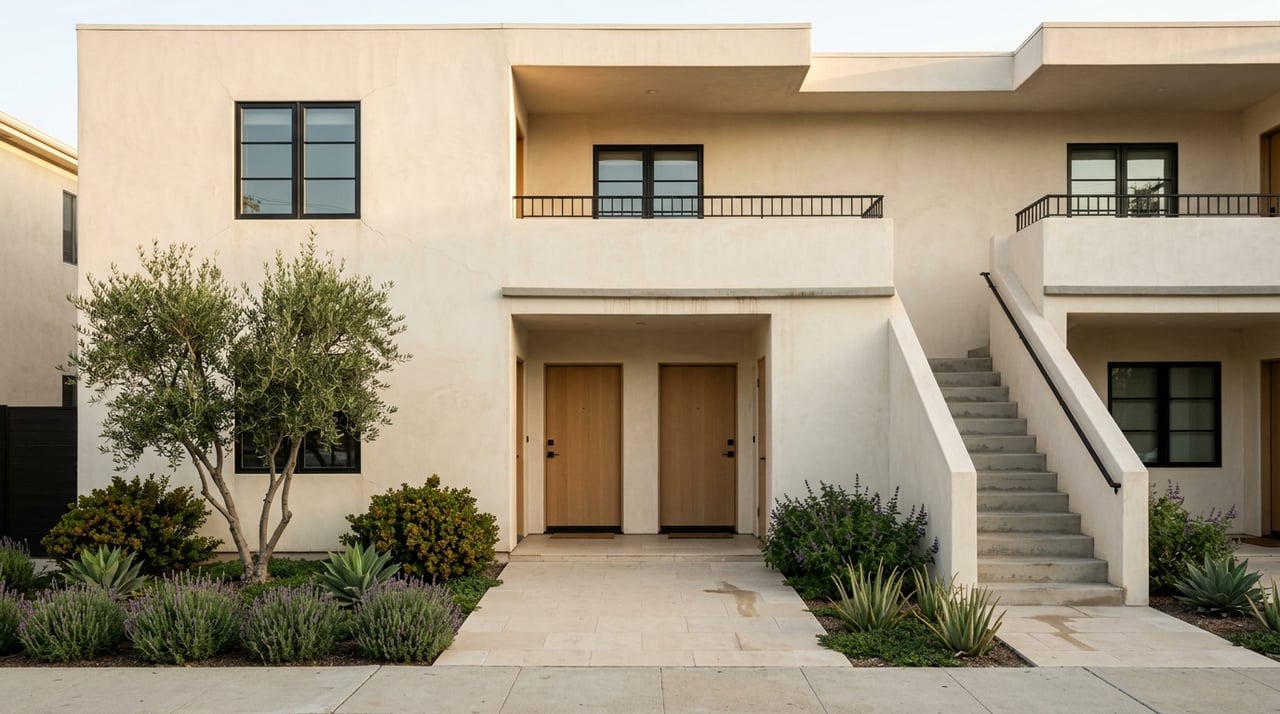
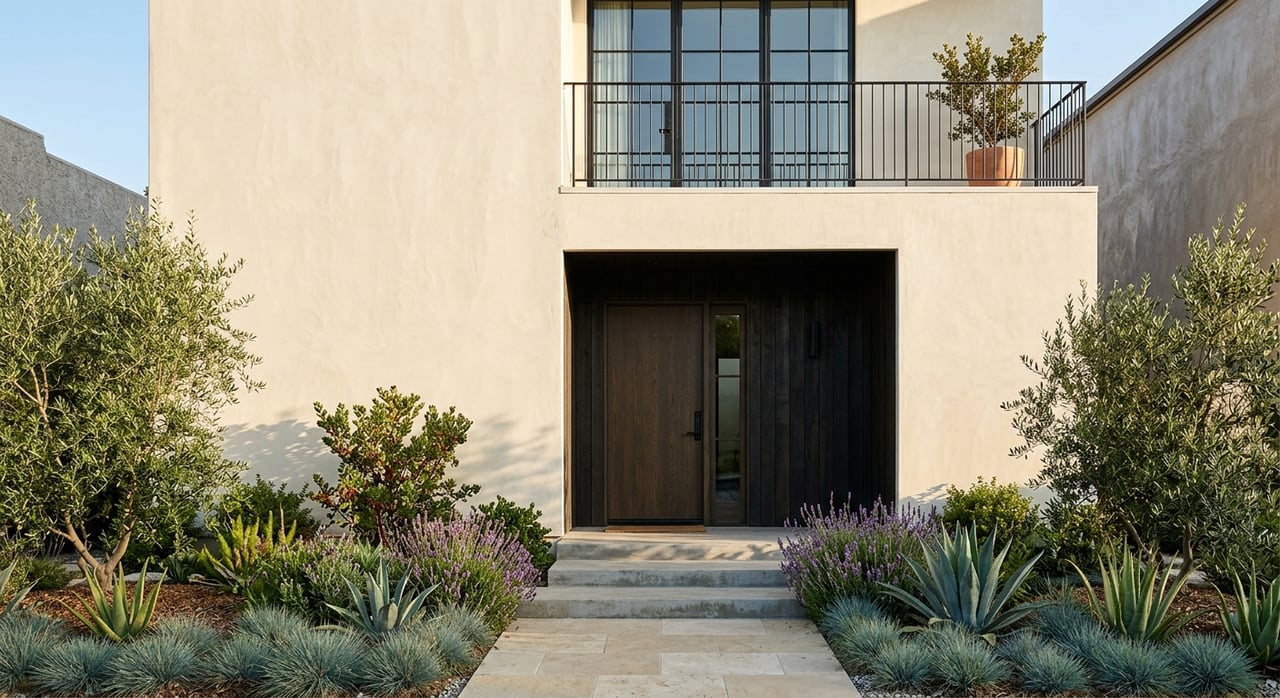
City Planning also notes that HPOZ boards and staff review projects for conformance with the district preservation plan, and work done without review can trigger code-enforcement action and fines. For sellers, that means your exterior should read as cohesive and intentional. Buyers may not know every rule, but they often notice when the facade, windows, landscaping, and entry experience feel aligned.
Mention historic incentives carefully
If your property qualifies as a contributing historic resource, there may be an additional value point to mention. City Planning states that the Mills Act program can provide a potential property-tax reduction for contributing properties within HPOZs and for Historic-Cultural Monuments.
The key word is potential. This is not something to assume or overstate. If the home qualifies, it can be a meaningful buyer-facing detail. If it does not, it should not be used as part of the marketing story.
Build the launch in the right order
Even a beautifully renovated home can underperform if the launch is rushed. Buyers usually experience your listing first through images and digital assets, not in person. That is why sequence matters.
The National Association of Realtors reported in 2025 that 83% of buyers’ agents said staging made it easier for buyers to envision the property as their future home. The same report found that buyers’ agents rated photos, physical staging, videos, and virtual tours as highly important to the home search process.
A practical pre-listing sequence
For a renovated bungalow in West Adams, this is the smartest order of operations:
- Declutter and deep clean
- Finish touch-ups and small repairs
- Stage the living room, kitchen, and primary bedroom first
- Photograph the home professionally
- Add video and virtual-tour assets
- Launch with a clear, fact-based story
This approach helps your listing feel complete from day one. It also gives buyers confidence that the renovation was thoughtful and well managed.
Focus staging where buyers look first
NAR also found that staging can help with both perceived value and time on market. In the report, 29% of agents said staging increased the dollar value offered by 1% to 10%, while 49% of sellers’ agents saw shorter time on market.
That does not mean every room needs a full production. In most cases, the best return comes from staging the spaces that shape a buyer’s first impression and daily-use vision. In a bungalow, that usually means the main living area, kitchen, and primary bedroom.
Get your documents ready early
Renovated homes often generate more questions, and that is not a bad thing. Buyers want to understand what was done, who did it, and whether the work was permitted. When you have that information organized before listing, you reduce friction later.
California law is especially important here. Under California Civil Code 1102.6h, a seller who accepts an offer within 18 months of taking title must disclose contractor-performed additions, structural modifications, other alterations or repairs, the contractor’s name and contact information, and copies of permits if obtained.
What to gather before listing
Before your home hits the market, assemble:
- Permits and permit records, if obtained
- Contractor names and contact information
- Invoices and scope-of-work records
- Before-and-after photos
- A clean summary of key improvements
This preparation makes it easier to answer buyer questions quickly and accurately.
Keep marketing claims factual
California rules also shape how you market the home. Civil Code 2079.16 requires a seller’s agent to disclose facts known to the agent that materially affect value or desirability, and Business and Professions Code 10140.8 requires a conspicuous disclosure when a listing image has been digitally altered, plus a link or QR code to the unaltered image.
The takeaway is simple: market the home beautifully, but do not overclaim. The safest and strongest approach is to say only what your permits, invoices, and records support.
Position HPOZ status the right way
Some sellers worry that historic-overlay rules will make the home harder to sell. In practice, HPOZ status usually changes the conversation more than it changes the appeal. For some buyers, it can reinforce the sense of preserved neighborhood character and architectural continuity.
At the same time, buyers should understand that exterior changes may involve added review. A balanced listing strategy does not hide that reality or dramatize it. It simply presents the home honestly, with the right context and documentation.
What helps a renovated bungalow stand out
In West Adams, the most compelling listings usually do three things well:
- They price to current comparables, not wishful numbers
- They show the home’s original character and renovation quality together
- They back up the story with clean documentation
That combination helps buyers trust what they are seeing. It also gives your home a better chance to stand out in a market where presentation matters, but credibility matters just as much.
If you are preparing to sell a renovated bungalow in West Adams, the goal is not just to make the home look finished. It is to tell a clear, supported story about design, condition, and value. If you want help building that strategy, Silke Fernald brings a design-forward marketing approach along with hands-on listing guidance, staging coordination, and disciplined execution from prep through closing.
FAQs
What is the best way to price a renovated bungalow in West Adams?
- The best approach is to use comparable sales that match your home in size, style, condition, renovation quality, and micro-location, while keeping current West Adams market data in mind.
Does HPOZ status affect selling a home in West Adams?
- Yes, HPOZ status can shape how you position the home because exterior changes may be subject to added review, but it can also appeal to buyers who value preserved architectural character.
What renovation records should sellers gather before listing a West Adams bungalow?
- Sellers should gather permits if obtained, contractor names and contact information, invoices, scope-of-work details, and before-and-after photos.
Should you market the renovation or the original bungalow character more?
- The strongest strategy is usually to market both together by showing how the renovation supports the home’s original architectural features and everyday livability.
What listing preparation matters most for a renovated bungalow sale?
- Decluttering, deep cleaning, focused staging, professional photography, and accurate fact-based marketing are some of the most important steps before launch.