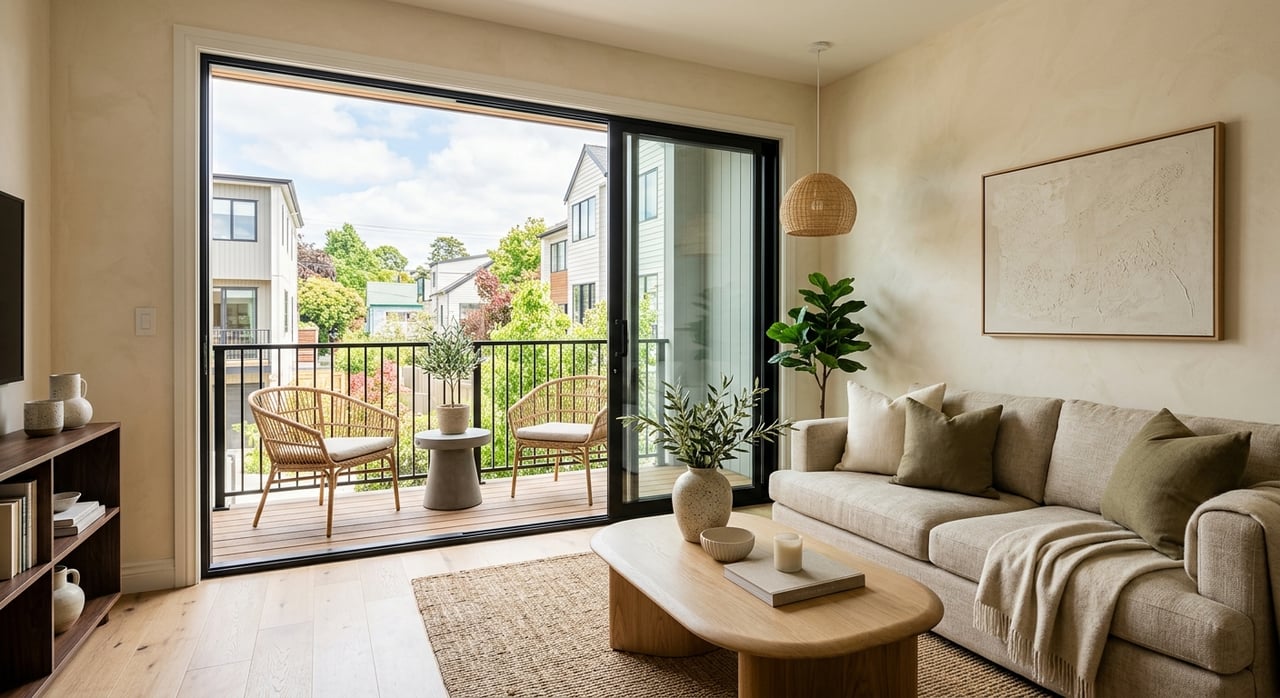
Wondering how much prep a Studio City townhome really needs before it hits the market? In an area where attached homes compete closely on layout, condition, and presentation, the details matter. If you want your sale to feel polished, strategic, and worth the asking price, a smart pre-listing plan can make a real difference. Let’s dive in.
Why prep matters in Studio City
Studio City remains active, but it is not a market where you can count on buyers to overlook clutter, deferred maintenance, or weak photos. Recent market data shows homes in Studio City generally selling close to asking price, with listing periods that often stretch several weeks rather than just a few days. That creates room for strong presentation to support your value story.
For attached homes, buyers are often comparing your townhome to other condos and townhouses in the area. Redfin recently showed 9 townhouses for sale in Studio City at a median listing price of $767,000, alongside 33 condos at a median listing price of $787,000. In that kind of side-by-side search, clean sightlines, smart staging, and crisp marketing assets can help your home stand out.
Start with a pre-sale inspection
Before you paint, stage, or schedule photos, start with a pre-sale inspection. This step can identify issues that may come up later, giving you time to address them on your terms instead of reacting during escrow.
A pre-sale inspection can also help you decide where to spend and where to hold back. If the report points to a simple repair, that may be worth handling before launch. If it flags a larger item, you can gather estimates, organize documentation, and prepare for buyer questions early.
Declutter like you are editing a photo set
Townhomes often live larger than their square footage, but only if the layout reads clearly. That is why decluttering is not just about tidiness. It is about helping buyers understand the space quickly, both online and in person.
The camera tends to magnify clutter, crowded furniture, and everyday visual noise. A good rule is to remove one or two pieces of furniture from each room if the room feels tight, then pack away least-used items so closets, cabinets, and open surfaces feel more spacious.
Focus extra attention on areas buyers notice fast:
- Entryway
- Living room
- Kitchen counters
- Primary bedroom
- Bathrooms
- Closets and storage areas
- Patios or balconies
If a pantry or closet looks overfilled, buyers may read the home as short on storage even when it is not. In a smaller home, storage presentation is part of the sales strategy.
Deep clean before anything else
A clean home photographs better, shows better, and signals care. Before staging begins, deep clean the whole property so every later step builds on a strong baseline.
Pay particular attention to windows, walls, baseboards, lighting fixtures, carpets, bathrooms, and the refrigerator. Scuffs, odors, grout stains, and dusty light fixtures can shape first impressions more than sellers often expect.
If your townhome has a front stoop, private entry, or small outdoor space, clean that too. Buyers start forming opinions before they even step inside.
Choose cosmetic updates carefully
Not every pre-sale project deserves your time or money. In California, recent market guidance points toward minor cosmetic updates, such as paint and fixture changes, as more practical than major renovations, which often do not return their full cost.
For most Studio City townhomes, the best updates are the ones that make the home feel fresh, neutral, and move-in ready. Think simple, targeted improvements that support photography and buyer confidence rather than a full remodel.
Useful pre-sale fixes may include:
- Touch-up or full repaint in a clean, consistent palette
- Replacing dated light fixtures or hardware
- Repairing scuffed walls or damaged trim
- Fixing loose cabinet pulls, sticking doors, or minor plumbing drips
- Refreshing caulk in kitchens or baths
This is where a design-minded strategy helps. You want the home to feel edited and intentional, not overworked.
Stage the rooms that matter most
If you are deciding where to invest, stage the spaces that shape buyer perception first. According to the National Association of Realtors 2025 staging report, buyers’ agents ranked the living room, primary bedroom, and kitchen as the most important rooms to stage.
That matters for a townhome because these rooms usually carry the emotional and functional story of the home. Buyers want to understand how the main living area flows, whether the bedroom feels restful, and how the kitchen fits everyday life.
You do not always need to stage every room fully. In many cases, a lighter approach works well:
- Full staging in the living room
- Strong bed styling in the primary bedroom
- Clean, minimal styling in the kitchen
- Simplified furniture in secondary rooms
- Clear purpose for flex spaces such as a loft, den, or office nook
NAR also found that 83% of buyers’ agents said staging made it easier for buyers to visualize a property as a future home. For attached homes with tighter footprints, that clarity can be especially valuable.
Make photos part of the prep plan
Photography should come after the home is fully ready, not while you are still finishing details. Buyers often meet your townhome online first, and listing photos play a major role in whether they decide to schedule a showing.
NAR’s 2025 staging data found that buyers’ agents saw photos as the most important listing asset, followed by physical staging, videos, and virtual tours. That aligns with how many buyers shop today: they compare homes quickly, and first impressions are often made on a screen.
Before the photographer arrives:
- Open blinds for natural light
- Remove magnets, notes, and small countertop items
- Hide trash bins, pet items, and cords where possible
- Straighten bedding and towels
- Take practice phone photos to catch distractions
Those practice shots can reveal issues you stop noticing in daily life. A tilted lamp shade, crowded console table, or bold personal art piece may not seem important until it becomes the focal point of the photo.
Plan your launch timeline backward
One of the biggest mistakes sellers make is treating prep like a last-minute checklist. A smoother approach is to choose your target launch window, then work backward so repairs, cleaning, staging, photography, and paperwork all happen in sequence.
Realtor.com’s 2026 California market guidance identified mid-April, specifically April 13 through 19, as the ideal national week to sell based on historical patterns for price, views, competition, and pace. That does not mean every Studio City townhome should list that exact week, but it does reinforce the value of thoughtful timing.
A practical prep timeline may look like this:
| Timing | What to do |
|---|---|
| 4 to 6 weeks before list | Order inspection, request HOA documents, plan repairs |
| 3 to 4 weeks before list | Declutter, deep clean, complete cosmetic fixes |
| 2 to 3 weeks before list | Stage key rooms and refine layout |
| 1 week before list | Final clean, photo prep, photography and video |
| Listing week | Launch once the home is fully ready |
The goal is simple: do not rush the details that buyers will notice immediately.
Handle HOA documents early
For a Studio City townhome in a common-interest development, the HOA document package should be an early task. Under California Civil Code Section 4525, sellers are required to provide a range of association-related documents, including governing documents, information on regular and special assessments, unresolved violation notices, approved assessment changes that are not yet due, rental restrictions if applicable, and the most recent inspection report.
California Civil Code Section 4530 says the association must provide requested documents within 10 days of a written request and may charge a reasonable fee based on actual cost. Even with that timeline, it is smart to request the package early so your listing prep is not delayed waiting on paperwork.
This is especially important if buyers will want to review the monthly dues, recent notices, or building-related information before making an offer. Having those materials organized helps the transaction feel more transparent and better managed.
Prepare California disclosures in parallel
Your physical prep and your paperwork prep should happen at the same time. California Civil Code Section 1102 makes the Transfer Disclosure Statement mandatory for most one-to-four-unit residential sales.
If your townhome was built before 1978, lead-based paint disclosure rules also apply, including disclosure of known lead information and delivery of the EPA pamphlet before the sale contract is signed. Sellers should also confirm whether a Natural Hazard Disclosure statement is required based on mapped hazard zones.
Getting these items organized early can help reduce stress later. It also supports a smoother launch because buyers and their agents will have clearer information from the start.
Keep the value story consistent
Preparing a Studio City townhome for sale is not about making it look generic. It is about helping buyers understand what is appealing about the home while removing distractions that compete with that story.
In a market where homes are still moving but not always instantly, presentation can support both pricing confidence and buyer interest. A clean layout, edited styling, thoughtful repairs, and strong visuals give your townhome a better chance to connect with buyers quickly and clearly.
If you are thinking about selling, the right plan can make the process feel far more manageable. For design-conscious prep, curated marketing, and hands-on listing guidance, connect with Silke Fernald.
FAQs
What should you fix before selling a Studio City townhome?
- Focus on targeted cosmetic issues such as paint touch-ups, light fixture updates, minor hardware repairs, scuffed walls, worn caulk, and small plumbing or door-function issues that affect presentation.
When should you request HOA documents for a Studio City townhome sale?
- Request HOA documents early in the prep process, ideally several weeks before listing, because California law requires sellers in common-interest developments to provide association materials and the package can take time to assemble.
Is staging worth it for a Studio City townhome listing?
- Staging can be worthwhile because buyers’ agents report that it helps buyers visualize the home, and it is especially useful in smaller attached homes where layout clarity matters.
What rooms matter most when staging a townhome for sale?
- The living room, primary bedroom, and kitchen tend to matter most because those spaces shape how buyers judge comfort, function, and overall appeal.
How far in advance should you prepare a Studio City townhome for sale?
- A good starting point is about four to six weeks before listing so you have time for inspection, repairs, cleaning, staging, photography, and HOA paperwork without rushing.