Looking for a duplex, triplex, or fourplex in South Los Angeles that actually makes sense on paper? That search can feel simple at first, then quickly get more complex once you look at building age, tenant protections, financing rules, and parcel-specific planning details. The good news is that South LA offers a distinctive small multifamily landscape with real potential if you understand how to evaluate it. Let’s dive in.
What Small Multifamily Looks Like in South LA
South Los Angeles is not one single neighborhood, and that matters when you start comparing properties. The City’s South Los Angeles Community Plan area includes places such as University Park, Adams-Normandie, Harvard Heights, West Adams Heights, Kinney Heights, Jefferson Park, Vermont Square, and Vermont-Knolls.
The area also includes a South Los Angeles Community Plan Implementation Overlay. In practical terms, that means some parcels may be subject to additional review and subarea-specific rules, so two properties with similar unit counts can have very different development or renovation paths.
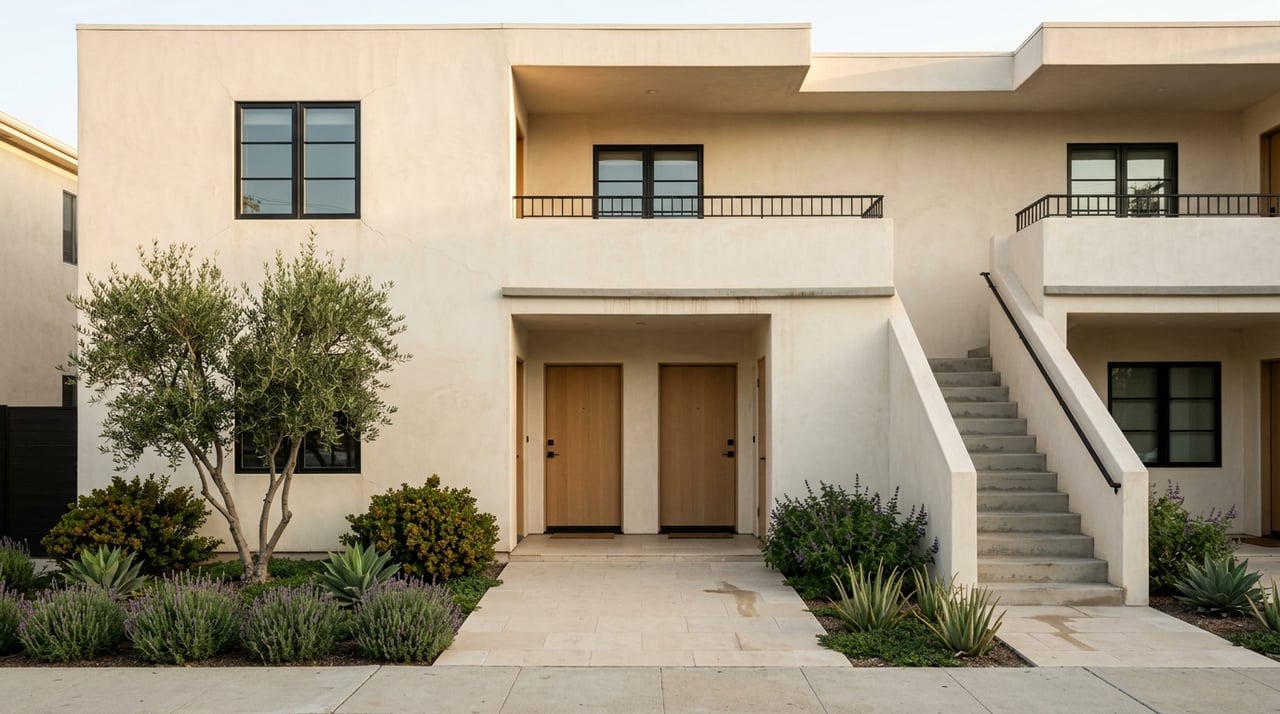
SurveyLA shows that South LA’s small multifamily inventory often includes duplexes, fourplexes, bungalow courts, courtyard apartments, and apartment houses. Instead of newer garden-style complexes, you will often find older, low-rise buildings with character, varied layouts, and block-by-block differences that can shape both value and strategy.
Why Character Matters Here
In South LA, unit count is only part of the story. Many small multifamily properties are older buildings, which means layout, systems, deferred maintenance, and historic context can matter just as much as bedroom counts or gross rent.
That is especially true in areas where SurveyLA has identified historic-resource patterns, including early multifamily districts and examples of duplexes, fourplexes, bungalow courts, and courtyard apartments. If you are drawn to architecture and long-term upside, this can be a real advantage, but it also calls for a more careful review before you assume a property is easy to reposition.
Rent-Ready vs. Value-Add
One of the biggest questions in South Los Angeles is whether a property is truly rent-ready or better understood as value-add. That difference affects your financing, renovation budget, reserves, and timeline.
A rent-ready duplex or fourplex is generally one that can be leased with limited immediate work because it already meets basic habitability expectations. In Los Angeles, that standard matters because rental housing must meet minimum habitability requirements, so a building that looks cosmetically fine may still need systems or code-related work before it is ready to perform as expected.
A value-add property usually depends on some combination of cosmetic updates, systems work, unit turnover, or a longer repositioning plan. In South LA, that strategy can be appealing, but it is rarely as simple as fresh finishes and higher rents.
When Rent-Ready Makes Sense
Rent-ready properties tend to suit buyers who want a faster path to stabilization and fewer moving parts right after closing. If you plan to hold the building and want more predictable early operations, a cleaner starting point can reduce the risk of surprise repairs, delayed leasing, or vacancy-driven renovation pressure.
This approach can also be easier to manage if you are balancing owner-occupancy with rental income. Since two- to four-unit properties often sit in a hybrid space between residential living and income property ownership, fewer immediate repairs can make the transition smoother.
When Value-Add Needs More Caution
Value-add can still create opportunity, but in Los Angeles it usually comes with more friction than a single-family renovation. The City’s renter protections apply to all residential rental units, and even non-RSO units can have just-cause protections.
No-fault scenarios such as owner occupancy, demolition, or permanent removal from the market can require City filings and relocation assistance. California’s Tenant Protection Act can also apply to many non-exempt units older than 15 years, which adds another layer to the holding and renovation strategy.
That means your upside is not only about design vision or renovation cost. It is also about compliance, timing, tenant transitions, and whether the building’s current condition and occupancy actually support your plan.
Historic and Planning Review Matter
South LA has a strong stock of character-rich buildings, and that can be part of the appeal. It can also mean you should check parcel-level planning and historic context before assuming exterior changes, additions, demolition, or major repositioning will be straightforward.
SurveyLA identifies South LA examples of small multifamily properties as eligible historic resources in some contexts. Combined with the South Los Angeles Community Plan overlay framework, that makes due diligence especially important for buyers considering visible exterior work or more aggressive redevelopment assumptions.
For investor-minded buyers, this is where local knowledge really matters. A property that looks like a light cosmetic project in photos may sit in a context where approvals, alterations, or project sequencing need much more care.
Financing 2 to 4 Units in Los Angeles
Small multifamily can be appealing because it may still qualify for residential-style financing when you occupy one unit. That is one reason duplexes, triplexes, and fourplexes remain such an important category for first-time owner-investors and buyers looking to offset housing costs with rental income.
HUD says FHA loans are available on one- to four-unit properties and may require a down payment as low as 3.5% of the purchase price. Fannie Mae also treats a two- to four-unit principal residence as eligible for rental-income treatment when the borrower occupies one unit.
That does not mean underwriting is simple. Compared with a single-family purchase, lenders often look more closely at reserves, documentation, occupancy, and the property’s ability to support the loan profile.
2026 Conforming Loan Limits
For Los Angeles County, the 2026 conforming loan limits are:
- 1 unit: $1,249,125
- 2 units: $1,599,375
- 3 units: $1,933,200
- 4 units: $2,402,625
These limits keep many small multifamily purchases within the agency-finance universe. Actual approval still depends on the full file, including price, appraisal support, occupancy, and reserves.
Why Underwriting Feels Different
With two to four units, the lender is not just looking at you as a borrower. The lender is also evaluating the building itself as part of the risk picture.
Fannie Mae’s reserve rules show that a two- to four-unit principal residence or an investment property can require six months of reserves. Rental-income treatment also depends on occupancy and documentation, so buyers should expect a more detailed process than they might see with a standard single-family home purchase.
The Hold Strategy Is Different
A small multifamily building can offer multiple income streams from one property, which is a big part of the draw. But in Los Angeles, the operating playbook is different from owning a single-family rental.
The City’s renter protection rules can affect turnover, renovation timing, and exit strategy. The City says all renters in Los Angeles have eviction protections, and non-RSO units receive just-cause protection after the first lease or six months after lease start.
The City’s RSO materials say the RSO generally covers units built before October 1978. California’s Tenant Protection Act covers many other rental homes older than 15 years unless exempt, which means your business plan needs to account for more than projected market rent.
What to Underwrite Beyond Rent
If you are comparing South LA small multifamily opportunities, it helps to look beyond the top-line income. Consider the operating reality from day one.
Focus on:
- Current habitability and systems condition
- Occupancy status and lease structure
- Potential renter protection implications
- Reserve needs for financing and ownership
- Parcel-specific planning or overlay review
- Historic context that could affect exterior changes
In many cases, the best opportunity is not the one with the biggest theoretical upside. It is the one where your timeline, budget, risk tolerance, and long-term plan actually line up with the building.
How to Evaluate South LA Opportunities Clearly
In a market like South Los Angeles, small multifamily success often comes from reading the details well. Older building stock, varied neighborhood fabric, and layered local rules mean you need to evaluate each property on its own terms.
That is especially true if you are deciding between a polished rent-ready asset and a design-forward value-add project. The right choice depends on whether you want speed and stability, or whether you have the patience, reserves, and project discipline to take on more complexity.
For buyers and investor-owners who care about architecture, presentation, and long-term positioning, South LA can offer compelling opportunities. The key is pairing the property’s design story with a realistic operating and acquisition strategy.
If you are exploring a duplex, triplex, or fourplex in South Los Angeles and want a grounded, design-aware perspective, Silke Fernald can help you evaluate opportunities with clarity and strategy.
FAQs
What types of small multifamily properties are common in South Los Angeles?
- South LA often includes duplexes, fourplexes, bungalow courts, courtyard apartments, and apartment houses, with many properties in older, low-rise, character-rich buildings.
What does rent-ready mean for a South Los Angeles duplex or fourplex?
- In South Los Angeles, rent-ready generally means a property can be leased with limited immediate work and already meets basic habitability expectations, rather than needing major repairs or vacancy-driven repositioning.
What makes a South Los Angeles small multifamily property value-add?
- A South Los Angeles value-add property usually needs some mix of cosmetic updates, systems work, or unit turnover, and the plan may be affected by City renter protections, relocation rules, and parcel-specific review.
Can you use residential financing for a South Los Angeles 2- to 4-unit property?
- Yes, owner-occupants may be able to use residential loan programs for one- to four-unit properties, including FHA financing and certain conventional options that allow rental-income treatment when you live in one unit.
Why is underwriting different for South Los Angeles small multifamily?
- Underwriting is often more detailed because lenders may review reserves, documentation, occupancy, and rental-income support more closely than they would for a single-family home.
Why should buyers check planning and historic context in South Los Angeles?
- Some South LA parcels are subject to overlay rules, and some small multifamily properties may fall within historic-resource contexts, so exterior changes, additions, demolition, or repositioning assumptions should be reviewed carefully.
How do Los Angeles renter protections affect a South Los Angeles multifamily investment?
- Los Angeles renter protections can affect turnover, renovation timing, no-fault eviction procedures, and relocation requirements, which means your hold strategy should account for compliance as well as income potential.