Wondering what daily life feels like in Highland Park, Oakland, and what kind of homes shape that experience? If you are drawn to older architecture, residential streets, and a neighborhood rhythm that leans more practical than flashy, Highland Park stands out for exactly those reasons. This guide walks you through the housing stock, movement patterns, parks, and everyday routines that define the area, so you can picture how life here may fit your goals. Let’s dive in.
Highland Park at a glance
Highland Park is identified by the City of Oakland as the area from E 24th Street to E 32nd Street between 13th and 14th Avenues. Its roots go back to Oakland’s late-19th-century annexation and streetcar-era growth, when expansion outward from downtown helped shape new residential areas.
That history still shows up in the neighborhood today. Highland Park reads as a mostly residential enclave with a historic built environment, compact lot patterns, and only very few businesses within the neighborhood core.
Highland Park homes have historic character
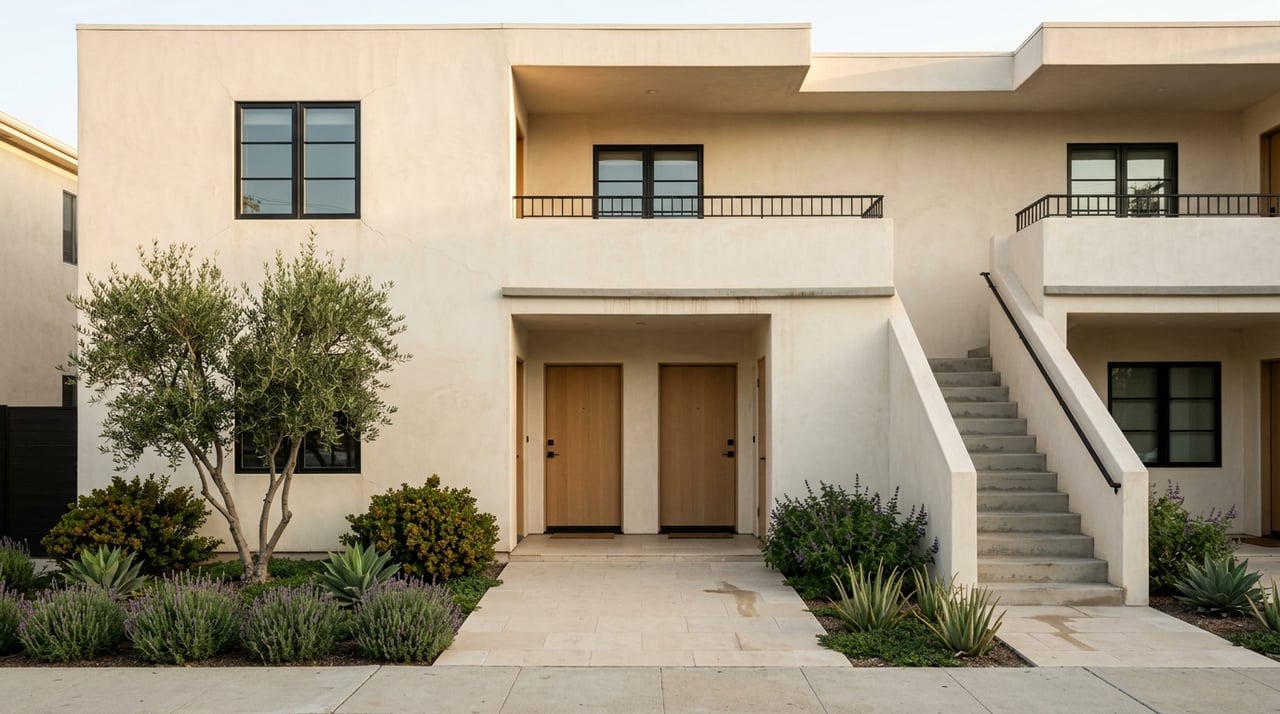
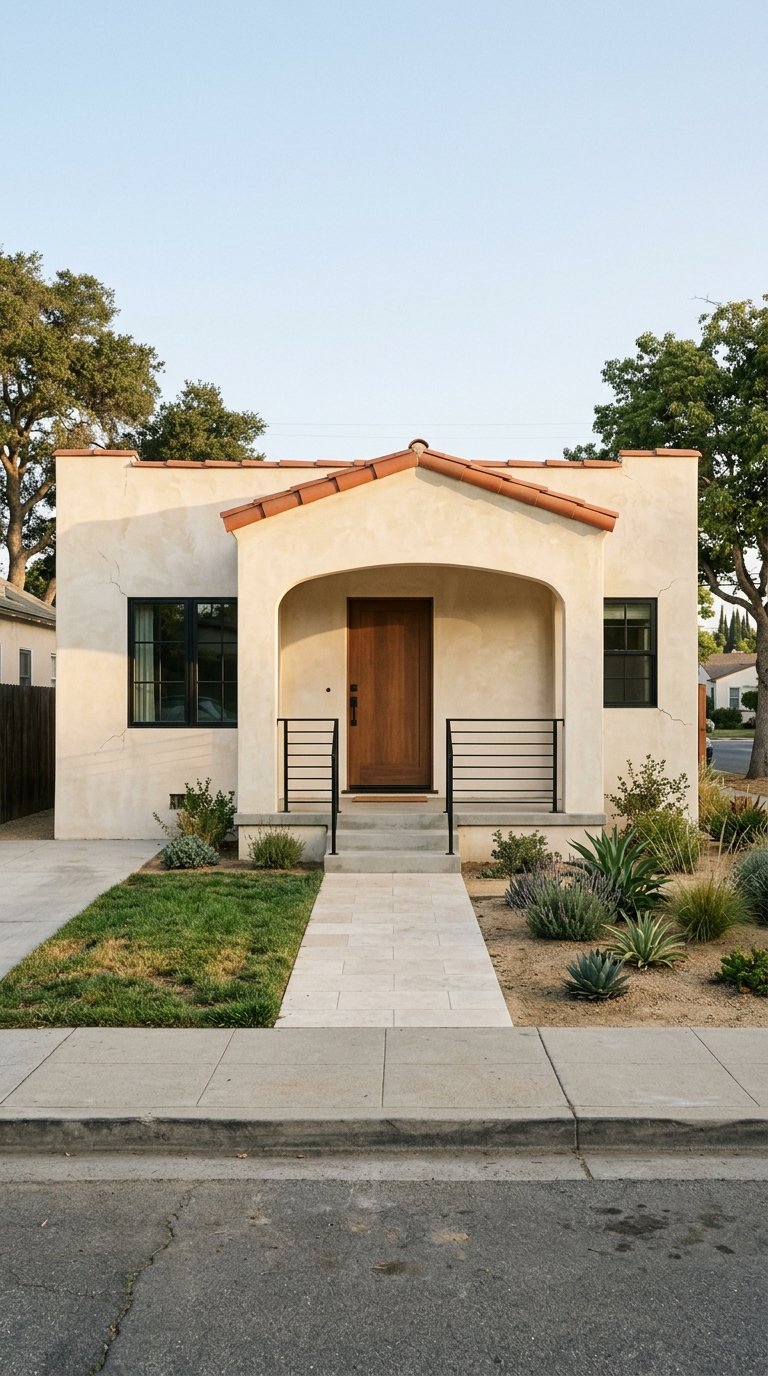
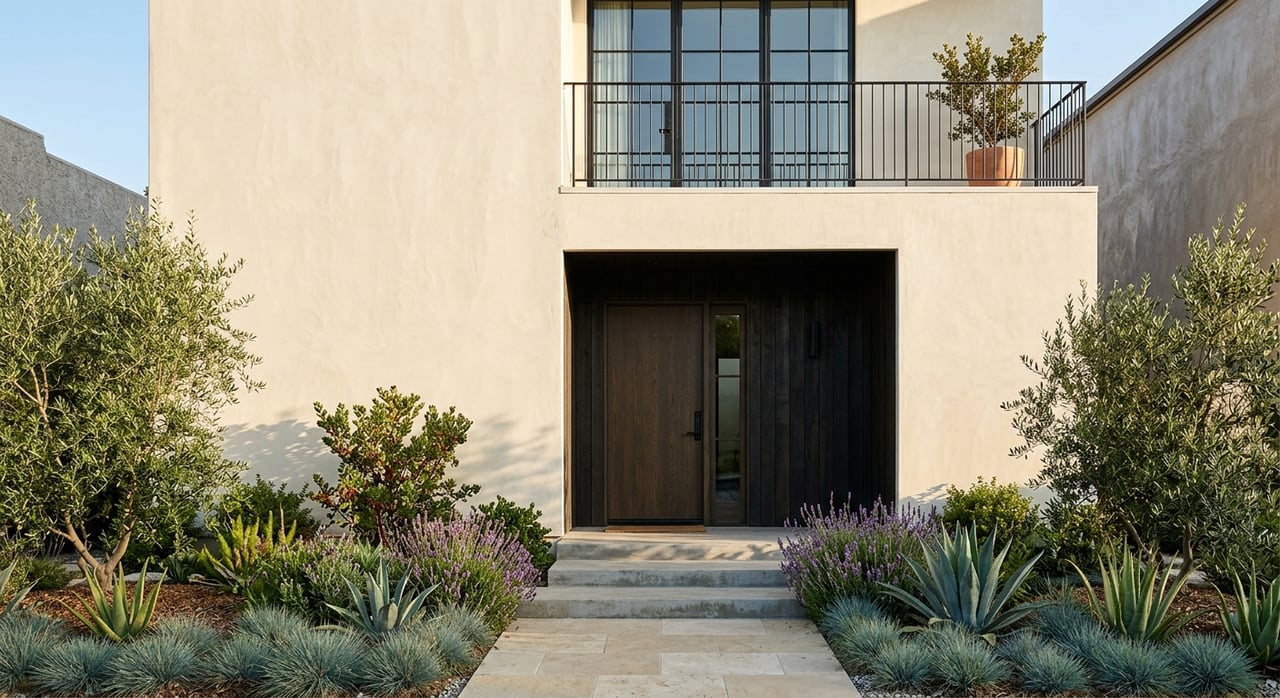
If you care about architecture, Highland Park has a strong sense of identity. City materials describe a built fabric that includes Colonial Revival, Classic Box, Eastern Shingle Cottage, and Neoclassical rowhouse examples, along with earlier Queen Anne, Queen Anne Cottage, and Italianate houses in the broader area.
That mix gives the neighborhood visual variety without losing cohesion. Instead of feeling uniform, the streetscape tends to reflect different moments of early residential development layered into one compact section of Oakland.
The housing mix is broader than one type
Highland Park is not made up of one housing format alone. The city describes a mix of single-family homes, multi-family homes, and multi-unit apartment buildings, which can give buyers a wider range of options depending on budget, layout needs, and long-term plans.
For sellers, that variety also helps explain why block-by-block context matters here. A home’s architectural style, condition, and placement within the neighborhood can play a big role in how buyers respond.
Lot sizes and topography shape the feel
The neighborhood’s physical character is also tied to its terrain and older development pattern. City reports describe Highland Park as hilly and note that lot sizes reflect a rail-car-era layout, when garages were not typically built into middle-class housing in the way many buyers expect today.
In practical terms, that can mean smaller lots, older footprints, and homes that relate more closely to the street. If you are shopping here, it helps to think less in terms of suburban sprawl and more in terms of historic residential fabric with a compact scale.
Daily rhythm centers on nearby corridors
One of the most useful things to know about Highland Park is that daily movement is shaped more by the streets around it than by a commercial center inside it. The neighborhood itself is primarily residential, so your routine will often extend outward for transit, errands, and dining.
That does not make the area disconnected. It simply means the pattern of use is corridor-based rather than built around a traditional main street in the neighborhood core.
14th Avenue is a key connector
The City of Oakland describes 14th Avenue as a major east-west corridor connecting International Boulevard, Highland Hospital, MacArthur Boulevard, and I-580. The city’s streetscape project along that route is focused on improving sidewalks, crossings, bike connections, and bus boarding.
For everyday life, that matters. It suggests that getting around Highland Park is closely tied to this edge corridor, whether you are commuting, biking, catching a bus, or heading out for errands.
Transit works best through nearby stops
AC Transit service reinforces that pattern. The stop at 14th Av & E 15th St is served by Lines 40, 96, and 840, and Line 96 runs from Alameda Point to Dimond District via Downtown Oakland, E. 10th St., E. 12th St./International Blvd., 14th Ave., and Highland Hospital.
Another nearby option is the Highland Hospital stop, where Line 62 runs from West Oakland BART to Fruitvale BART via 7th St., E. 10th St., 8th Ave., Highland Hospital, and 23rd Avenue. For many residents, that means BART access is workable, but usually through a bus connection rather than by walking to a station within the neighborhood.
What that means for your routine
If you live in Highland Park, your day may involve a mix of bus, bike, and car travel. The area does not read as station-adjacent, but it does offer practical links to Downtown Oakland, Fruitvale, and major corridor streets.
That can appeal to buyers who want a residential setting with connected movement options nearby. It is a different experience from living directly on top of a dense retail and transit hub, and that difference is part of the neighborhood’s identity.
Parks and outdoor space support everyday living
Highland Park’s outdoor options are neighborhood-scale, which can be a plus if you value quick access to smaller green spaces. The City of Oakland lists Bella Vista Park at 1025 East 28th Street, Central Reservoir Park at 2506 East 29th Street, and Vantage Point Park at 1198 13th Avenue.
Rather than one large signature park in the center of the neighborhood, you have several smaller spaces nearby that can fit naturally into a daily routine. Think short walks, informal outdoor breaks, and close-to-home green space.
Community gardening adds another layer
Oakland also lists the Bella Vista Park Community Garden at 11th Avenue and East 28th Street, by Bella Vista Elementary School. That community-garden presence adds another dimension to the neighborhood’s everyday feel.
For some residents, access to garden space can make a neighborhood feel more grounded and participatory. It is one more sign that Highland Park’s rhythm is local and residential rather than commercial-first.
Small parks can still be useful parks
Oakland’s 2025 mini-parks renovation project included Vantage Point Park, and the city said renovated mini parks now feature items such as resurfaced play areas, upgraded site furniture, barbeque pits, water fountains, and animal-proof trash receptacles.
That kind of investment matters because it improves the usability of smaller public spaces. Even when a park is modest in size, updates like these can make it easier to use as part of your regular week.
Errands and dining are mostly nearby, not central
If you are hoping for a neighborhood packed with shops inside its core, Highland Park may feel quieter than expected. The city’s heritage application notes there are very few businesses in the neighborhood itself.
That said, nearby corridors help fill in the day-to-day picture. A City of Oakland environmental assessment describes International Boulevard as a primary corridor lined with commercial and retail facilities, auto facilities, banks, restaurants, and grocery stores.
Expect a residential base with corridor access
This pattern suggests a simple lifestyle setup. Home feels residential and relatively focused on housing, while errands and dining tend to happen along nearby streets, especially via the International Boulevard corridor and the 14th Avenue connection.
For many buyers, that balance is appealing. You get a neighborhood that is not dominated by constant commercial activity, while still having practical access to the places that support everyday needs.
Who Highland Park may appeal to
Highland Park can be especially compelling if you are drawn to older homes, architectural detail, and a residential setting with historic character. It may also suit buyers who are comfortable with an urban routine built around nearby bus routes, connected corridors, and errands outside the immediate neighborhood core.
If your priorities lean toward a compact historic setting rather than a self-contained retail district, Highland Park offers a clear identity. The value here is less about hype and more about the relationship between architecture, neighborhood scale, and daily function.
Why context matters when buying or selling here
In a neighborhood like Highland Park, broad market assumptions are rarely enough. Historic housing stock, varied property types, hilly topography, and compact lots all affect how a home lives, how it presents, and how buyers interpret value.
That is why thoughtful positioning matters. When a home has character, the story of its architecture, setting, and everyday livability becomes a meaningful part of how you market it or evaluate it.
If you are considering buying or selling a character-driven home and want a thoughtful, design-aware approach, Silke Fernald can help you navigate the details with clarity and care.
FAQs
What kind of homes are in Highland Park, Oakland?
- Highland Park includes a mix of single-family homes, multi-family homes, and multi-unit apartment buildings, with architectural styles noted by the City of Oakland such as Colonial Revival, Classic Box, Eastern Shingle Cottage, Neoclassical rowhouse, Queen Anne, Queen Anne Cottage, and Italianate.
Is Highland Park, Oakland mostly residential or commercial?
- According to City of Oakland materials, Highland Park is mostly residential and has very few businesses within the neighborhood core.
How do residents get around Highland Park, Oakland?
- Daily movement in Highland Park appears to rely on nearby corridors, especially 14th Avenue, with bus service from AC Transit and practical connections toward Downtown Oakland, Highland Hospital, Fruitvale, and BART via transfer.
Are there parks near Highland Park, Oakland homes?
- Yes. City-listed nearby parks include Bella Vista Park, Central Reservoir Park, and Vantage Point Park, along with the Bella Vista Park Community Garden.
Is Highland Park, Oakland near BART?
- The neighborhood does not have a BART station inside it, but AC Transit service from nearby stops, including service near Highland Hospital, provides practical connections to West Oakland BART and Fruitvale BART.
What is the daily lifestyle like in Highland Park, Oakland?
- The neighborhood’s daily rhythm is shaped by historic homes, residential streets, nearby small parks, community garden access, and errands or dining that often happen along nearby corridors like International Boulevard and 14th Avenue.