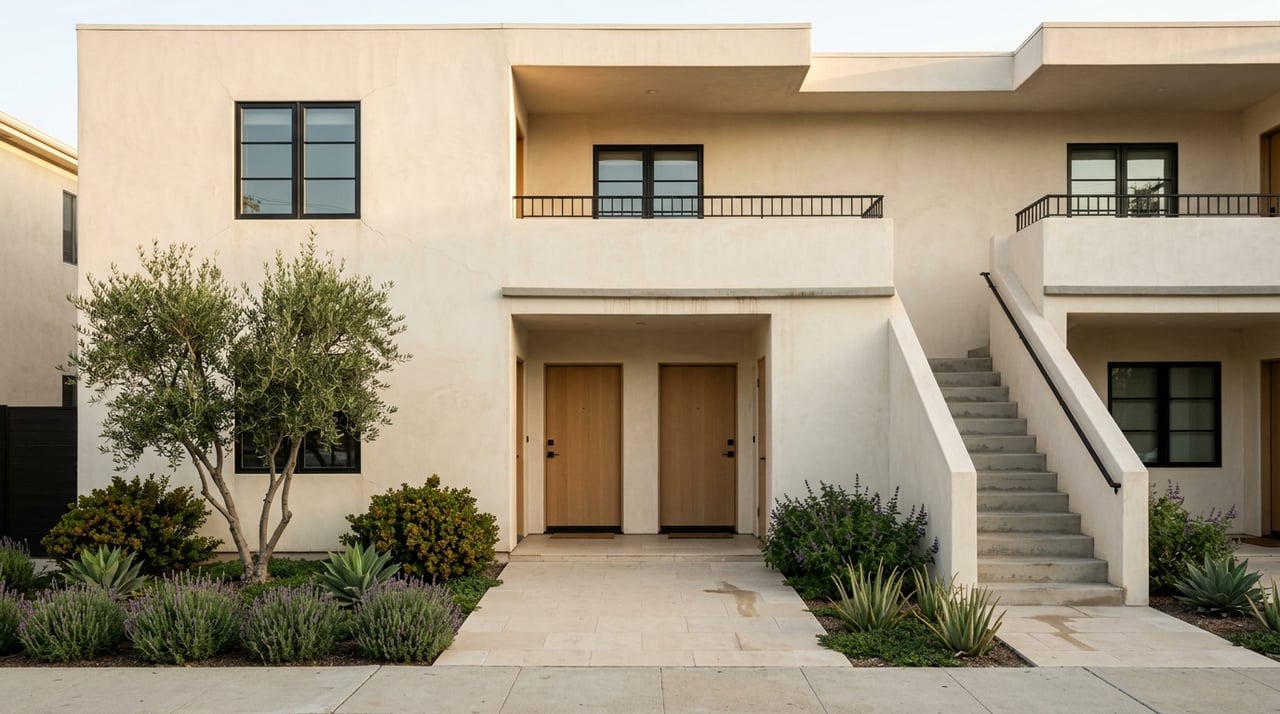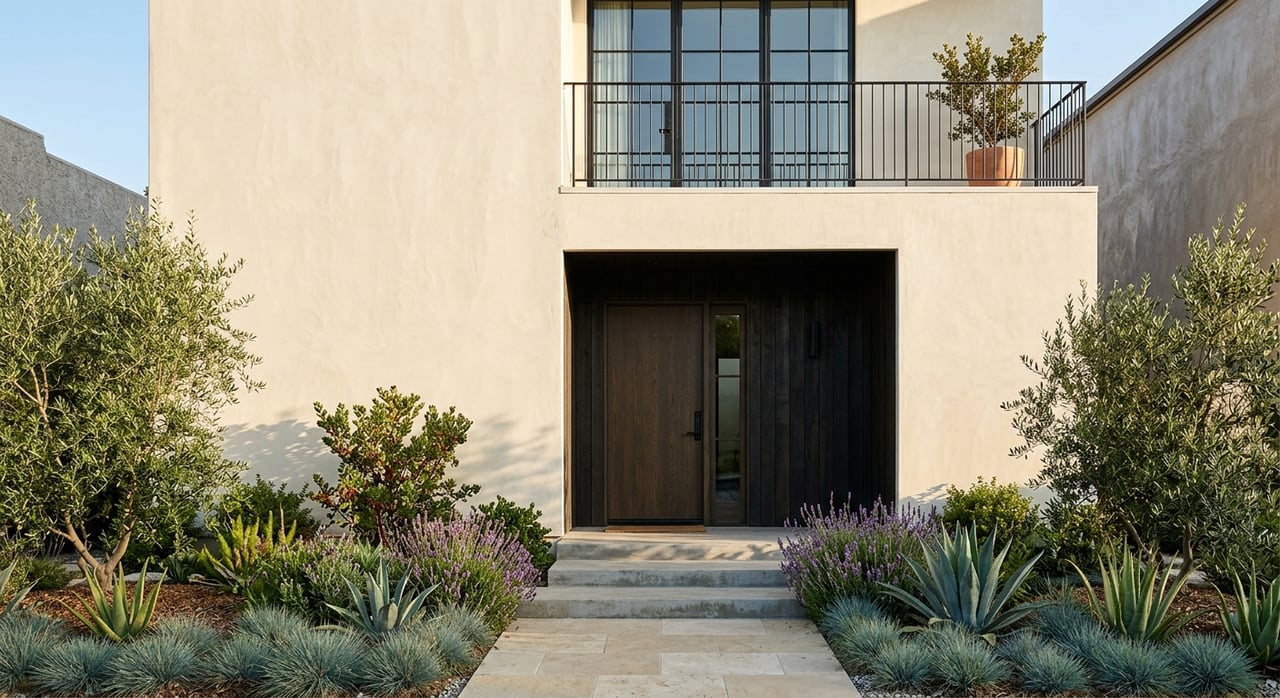
If you are thinking about selling in Jefferson Park, it is easy to wonder whether a renovation will boost your price or just drain your time and budget. That question matters even more here because buyers often notice character details, and the neighborhood’s historic rules can shape what you can change on the exterior. In this market, the smartest pre-sale work is usually not a full makeover. It is a focused plan that protects the home’s character, removes obvious buyer objections, and keeps your timeline realistic. Let’s dive in.
Why Jefferson Park changes the equation
Jefferson Park is not a typical Los Angeles neighborhood from a pre-sale renovation standpoint. It is a City of Los Angeles Historic Preservation Overlay Zone, or HPOZ, with a preservation plan tied to its historic character as an early streetcar suburb.
That means your home is part of a larger architectural context, especially if it reflects the area’s period of significance from 1887 to 1951. If you are preparing to sell, exterior changes are expected to complement the neighborhood’s existing character rather than erase it.
This is one reason a generic flip-style renovation can miss the mark here. In Jefferson Park, preserving original details can support your home’s appeal better than replacing them with trend-driven finishes.
What the market suggests right now
Recent market data points to an active market, but not one where every renovation dollar is likely to come back to you. Over the three months ending May 2026, Redfin reported a median sale price of $1,009,660, about 53 days on market, and a 99.4% sale-to-list ratio in Jefferson Park.
Zillow’s home value index put the average home value at $867,233, down 4.6% year over year. Since Redfin and Zillow calculate value differently, those numbers should be read as directional rather than directly compared.
The big takeaway is simple: buyers are active, but sellers still need to be strategic. If your home already shows well and has intact character, a major remodel may not be necessary to get strong interest.
When renovating makes sense
A pre-sale renovation usually makes sense when your home has visible issues that buyers will notice right away. Think deferred maintenance, tired curb appeal, worn finishes, or exterior details that make the property feel neglected.
National resale data supports this more targeted approach. Zonda’s 2025 Cost vs. Value report found that exterior replacement projects continue to outperform large discretionary interior remodels, and 8 of the top 10 return-on-investment projects were exterior replacements.
For many Jefferson Park sellers, that points to a practical rule. If the home has solid systems, livable flow, and strong original character, a light refresh or as-is sale may be the better move. If it has obvious visual or maintenance issues, a limited and preservation-minded update can be worth considering.
When you may want to skip renovation
Not every seller benefits from doing work before listing. If your budget is tight, your timeline is short, or your house already has the kind of character buyers are looking for, over-improving can create more risk than reward.
That is especially true in Jefferson Park, where inappropriate changes can work against your sale. The preservation plan emphasizes repairing historic features rather than replacing them, and when replacement is necessary, the new element should match the original in design, color, texture, and, where possible, materials.
So if your renovation plan involves stripping out original windows, altering porch details, or changing roof character to look more modern, it may not help your bottom line. In this neighborhood, authenticity often carries real market value.
Best pre-sale updates for Jefferson Park homes
The strongest pre-sale projects here are usually the ones that make the home feel cared for without changing its architectural identity. Think repair, refresh, and presentation.
In many cases, the goal is not to reinvent the house. It is to help buyers see the home’s original design story more clearly.
Craftsman updates that fit the neighborhood
Jefferson Park’s Craftsman homes are often defined by shallow-pitched overhanging gables, broad porches, grouped windows, exposed beams and rafters, earth-tone palettes, and natural finishes. If you own one, your best updates will usually reinforce those features.
Helpful pre-sale improvements can include:
- Repairing porch columns, brackets, and steps
- Repainting in earth tones or a restrained three-color scheme
- Refinishing original wood doors and trim
- Repairing windows instead of replacing them
- Improving front-yard fencing or landscaping in a way that stays visually compatible with the home
The preservation plan also makes clear what to avoid. Adding unsupported decorative details, enclosing a street-facing porch in a way that erases original features, or using incompatible fence materials like vinyl or hollow steel can hurt the overall presentation.
Spanish and Mission-style updates
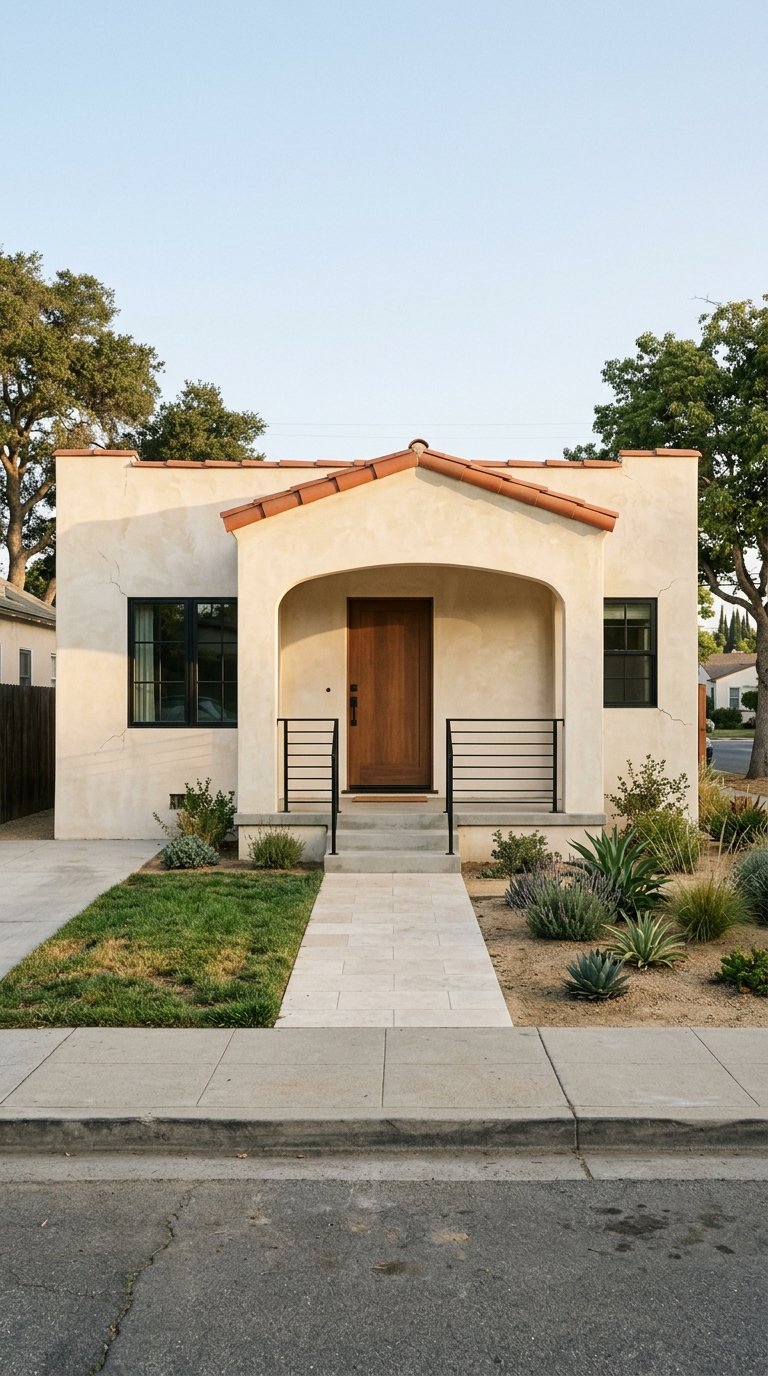
Spanish Colonial Revival and Mission Revival homes in Jefferson Park often rely on a different set of details for their appeal. The preservation plan describes features like stucco exteriors, low-pitched tile roofs, recessed openings, arches, decorative ironwork, plaster reliefs, parapets, and broad eaves.
For these homes, the best pre-sale work often focuses on revealing and restoring what is already there. That can include refreshing stucco and trim colors, repairing tile roofs and parapet details, preserving arches and ironwork, and keeping decorative plaster or masonry visible.
If windows or doors truly need replacement, the preservation guidance says they should match the historic element in size, shape, pane arrangement, materials, hardware, method of construction, and profile. Covering original materials with stucco or changing visible roof materials to something incompatible can undercut the home’s appeal.
Focus on buyer objections, not a full redesign
If you are trying to decide where to spend money, start with what buyers are likely to question during a showing. Peeling paint, damaged porch steps, worn trim, neglected landscaping, or visibly tired exterior materials can create doubt fast.
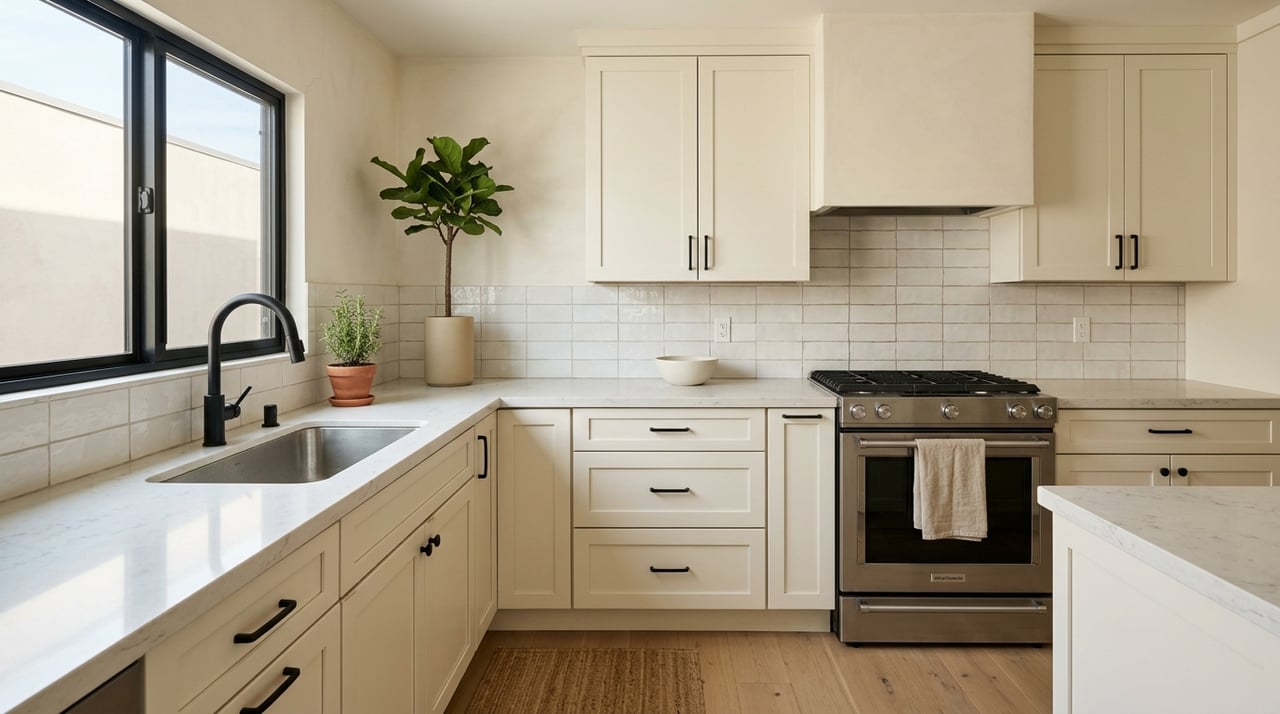
On the other hand, a full kitchen or layout overhaul may not be the highest-value move unless the current condition truly limits marketability. Even the broader resale data suggests that smaller, visible upgrades often outperform larger interior projects.
In Jefferson Park, that often means your money goes further when it is spent on polish, maintenance, and character-sensitive presentation. The goal is to remove friction for buyers while keeping the home’s architectural integrity intact.
Timing matters more than many sellers expect
In an HPOZ, project timing can change your listing plan. The City of Los Angeles states that all exterior work in an HPOZ, including landscaping, alterations, additions, and new construction, is subject to additional review.
Jefferson Park’s HPOZ board meets on the first and third Tuesday of each month. If your pre-sale work affects the exterior, that review schedule should be part of your planning from day one.
On top of that, LADBS says building permits are required for additions, alterations, and demolition or removal, with plan-check requirements varying by project size and complexity. Some projects may qualify for express permits, while others need plan review and inspections.
That means even a modest seller-prep project can take longer than expected once review, permit issuance, and inspections are added. If your goal is to hit a specific listing window, schedule discipline matters.
A smart seller workflow
If you are weighing renovation before selling, a structured plan can keep you from overspending or getting stuck in delays. In Jefferson Park, a thoughtful process is often more valuable than a long renovation wishlist.
A practical workflow looks like this:
- Confirm whether your property is contributing in the historic resources survey.
- Prioritize repairs that preserve original materials and visible character.
- Get bids from licensed contractors for any work, especially exterior work.
- Build your timeline around HPOZ review and any permit requirements.
- Cap your budget at what the local market is likely to reward.
California’s Contractors State License Board offers a public tool to verify contractor licenses and Home Improvement Salesperson registrations before you sign a contract. In a neighborhood with preservation standards, that extra step is worth taking.
The bottom line for Jefferson Park sellers
If you are selling in Jefferson Park, the best renovation strategy is usually selective, not sweeping. The neighborhood’s historic context, review process, and current market conditions all point in the same direction: preserve what gives the home its identity, fix what makes it feel neglected, and avoid expensive updates that do not clearly support resale.
For many sellers, that means the highest-value work is careful exterior repair, restrained cosmetic refreshes, and a strong presentation plan. When your home is marketed with an understanding of both architecture and buyer psychology, you are in a much better position to make thoughtful pre-sale decisions.
If you want help deciding what is worth doing before you list, Silke Fernald brings a design-led eye, local market perspective, and hands-on project coordination to character homes across Los Angeles.
FAQs
Should you renovate before selling a home in Jefferson Park?
- Usually, only if the home has visible deferred maintenance, dull curb appeal, or dated surfaces that make it feel neglected. In many cases, a light refresh or as-is sale makes more sense than a full remodel.
What renovations add the most value before selling in Jefferson Park?
- Smaller, visible improvements often make the most sense, especially exterior-focused repairs and updates that preserve the home’s original character rather than redesigning it.
Do Jefferson Park sellers need approval for exterior work?
- Yes. The City of Los Angeles says all exterior work in an HPOZ, including landscaping, alterations, additions, and new construction, is subject to additional review.
What should you avoid changing on a historic Jefferson Park home?
- Avoid removing or mismatching original windows, porch details, roof character, decorative ironwork, arches, or other visible historic features that contribute to the home’s architectural style.
How long can pre-sale renovation take in Jefferson Park?
- Timing depends on the scope of work, but exterior projects can take longer than expected because HPOZ review, permits, plan check, and inspections may all affect the schedule.