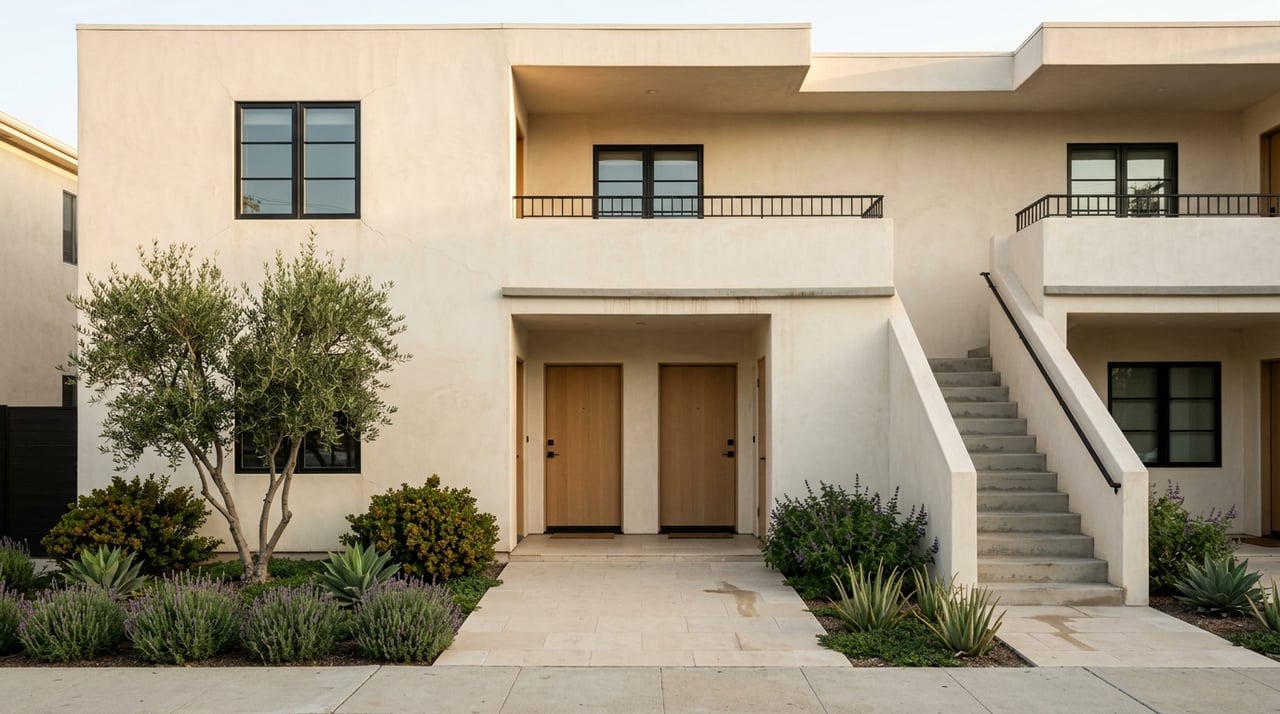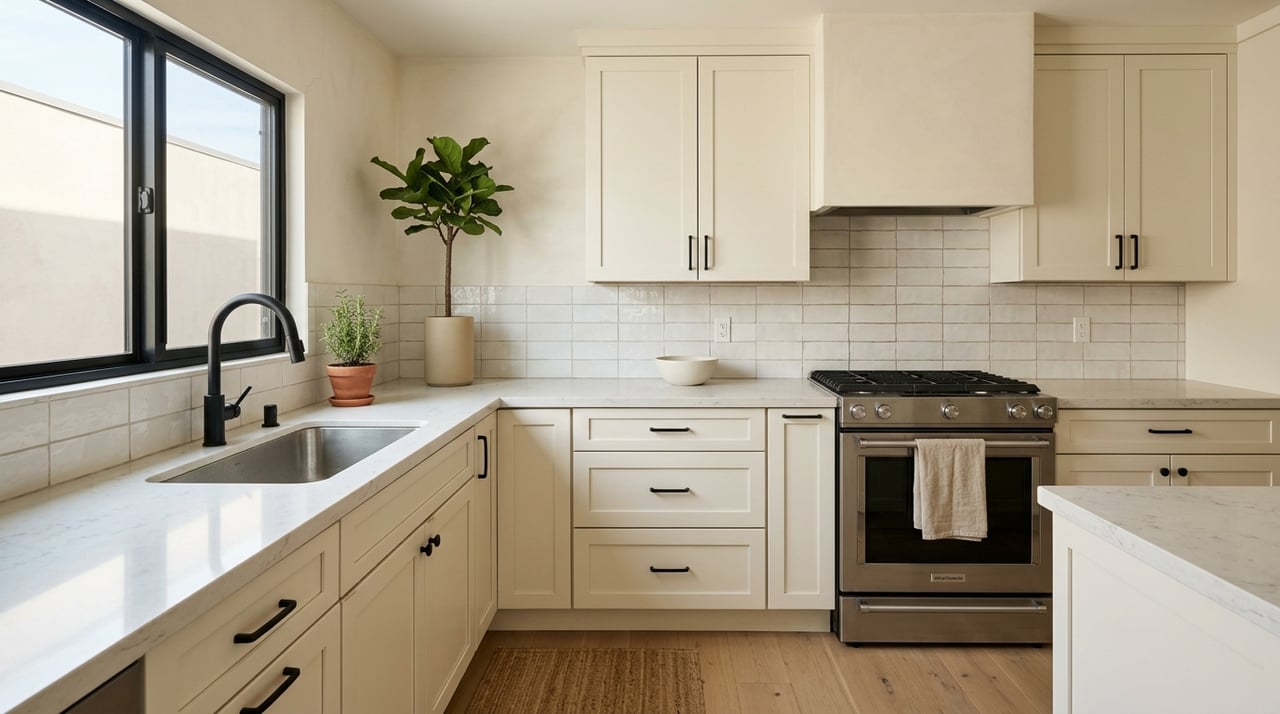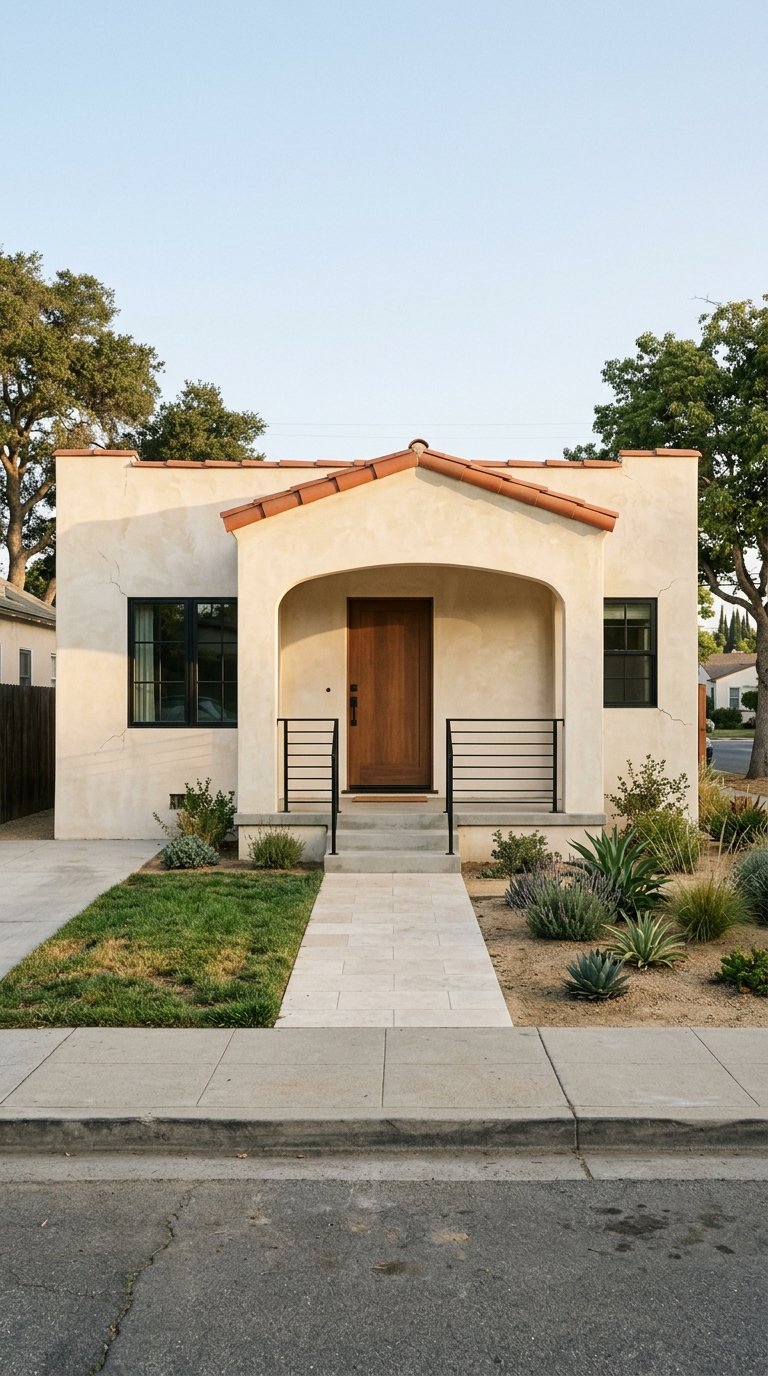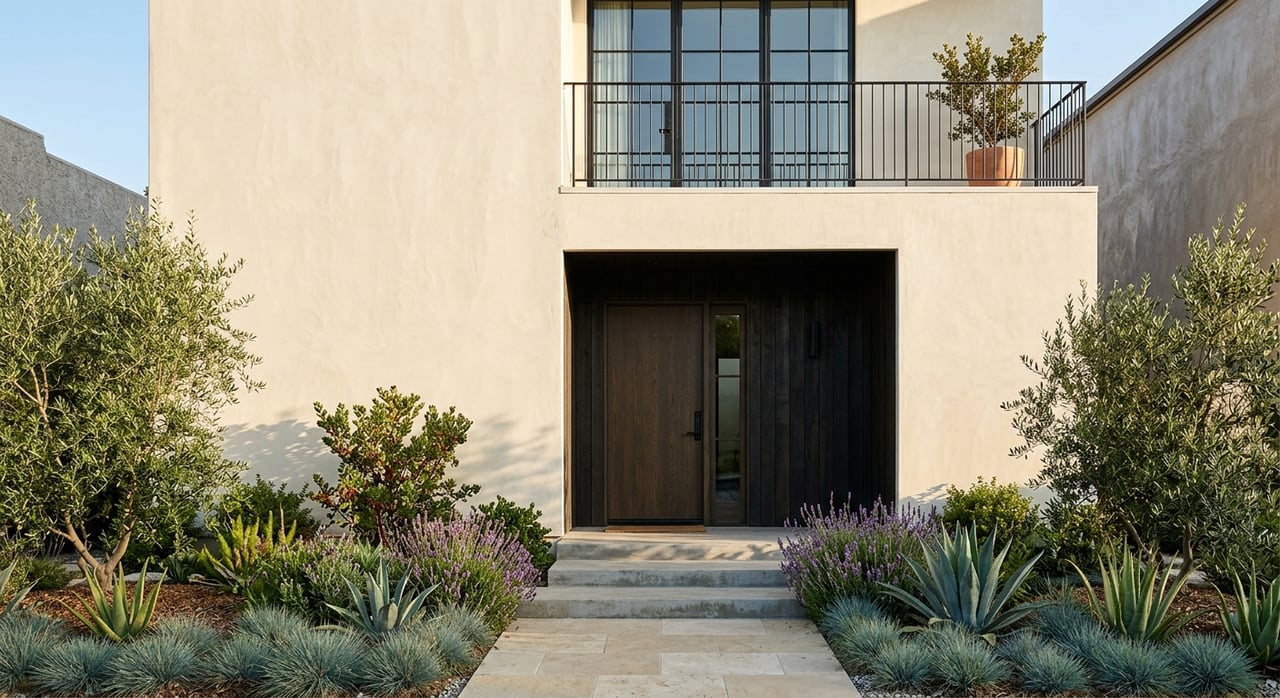
You love Los Feliz. The question is how to live here without second‑guessing your choice: a design-forward condo near the village, or a compact single-family home with room to grow. Both paths can work. You just need a clear view of costs, financing, lifestyle, and long-term potential specific to this neighborhood. In this guide, you’ll see current price context, a simple decision framework, and a practical checklist you can use when touring. Let’s dive in.
Los Feliz prices right now
Los Feliz is a high-value market with a wide spread between product types and streets. Neighborhood snapshots for early 2026 show a median sale price around $2.08M, with a median of roughly $1,060 per square foot and a 95-day median time to sell, based on February 2026 data from the Redfin neighborhood page. See the latest on the Los Feliz housing market.
A second lens is Zillow’s neighborhood value index, which showed a ZHVI near $1.86M through February 28, 2026. You can review the current Los Feliz ZHVI. Using both helps you set a realistic range, then you can drill down to actual comps for any property you like.
What this means for you: small single-family homes often trade at a premium to many condos, especially on quieter hillside streets, while well-located condos in the village core can command strong pricing depending on building, floor, and views.
Condo vs small house at a glance
- Condos usually offer a lower entry price and shift many exterior tasks to the HOA. Expect monthly dues that vary by building age, amenities, insurance, and reserves. Industry summaries place many Los Angeles dues in the roughly $250 to $800-plus range. See context on typical HOA fees.
- Small houses deliver private outdoor space, more control over upgrades, and potential to add an ADU over time. You shoulder exterior maintenance directly and should budget accordingly.
- Property tax is similar for both, since California’s Prop 13 sets a 1.00% base rate, with local add-ons often bringing the effective rate to about 1.1% to 1.3% in Los Angeles County. You can confirm a parcel’s tax area at the LA County property tax portal.
- Insurance differs. Condo owners typically carry an HO-6 policy for interior finishes and personal property, while single-family owners carry HO-3 type coverage. The HOA’s master policy terms matter. Learn the basics of HO-6 condo coverage.
What drives your monthly payment
Taxes
- Start with an estimate of 1.1% to 1.3% of your purchase price for annual property taxes in much of Los Angeles County. Exact totals vary by tax-rate area, so it pays to verify the parcel on the County portal during escrow.
HOA dues vs house maintenance
- Condos: Dues can range widely. Higher-amenity or older buildings may have higher dues to cover insurance and reserves. Always review the current budget, reserve study, and meeting minutes to spot planned projects or special assessments. Here is helpful context on average HOA fees.
- Houses: A common rule of thumb is to budget around 1% of the home’s value annually for maintenance. Actual costs depend on age, systems, and hillside considerations like drainage and landscaping.
Insurance
- Condos: Your HO-6 policy fills gaps between your interior finishes and the HOA master policy. Ask whether the HOA master policy is “bare-walls” or “all-in,” and confirm deductibles before you buy. Review a primer on HO-6 policies.
- Houses: You carry full structure coverage. In Los Feliz, many owners evaluate separate earthquake coverage and pay attention to wildfire mitigation if near parkland.
Financing and resale realities
Condo project eligibility matters
Lenders underwrite the condo building, not just your unit. Financing can be limited if the HOA has low reserves, high delinquencies, litigation, or high investor ownership. Ask your lender to confirm project eligibility against Fannie Mae’s condo standards early. If you plan to use FHA financing, check the HUD condo lookup for current approvals or single-unit options.
Houses are often simpler
A small detached home usually avoids project-level approval, which can make conventional financing more straightforward. You still need to clear property condition and title checks.
Liquidity and timing
Buyer pools shift with the cycle. In some months, condos see more price sensitivity if financing tightens or an HOA faces assessments. Detached homes in strong micro-locations can be more resilient. Watch the current trendlines on the Los Feliz market page as you compare.
Renovation and long-term upside
ADU potential on small lots
California has streamlined ADU rules, and many Los Angeles lots can support a garage conversion or small detached unit, subject to setbacks, utilities, and topography. Review the state’s ADU Handbook and verify feasibility with the city before you buy. If rental income or flexible space matters to you, this can tilt the decision toward a house.
Retrofits and inspections in condo buildings
Los Angeles requires seismic retrofits for many pre-1978 soft-story buildings. If you are considering an older condo building, confirm whether retrofit work is complete, in progress, or unfunded. See the city’s soft-story retrofit program. Also ask for records related to state-mandated inspections of common elevated elements, such as balconies, and any resulting project plans. Pending projects can mean future assessments.
Lifestyle fit in Los Feliz
Village walkability
If you want to step out for coffee, restaurants, and quick access to Griffith Park, condos and townhomes near the Vermont and Hillhurst corridors can be a great match. Many buildings in the village core offer strong walkability and a low-maintenance lifestyle.
Hillside privacy and outdoor space
If you prefer a private yard, separation from the street, and more control over your property, a compact single-family home in the hills or tucked within established enclaves can deliver peace and room to grow.
Transit and commute
Proximity to Metro bus lines and the nearby B Line subway increases options, especially in the village area. Verify exact distances and routes for specific listings you are considering.
Use this 5-point decision framework
Score each property 1 to 5 on these axes, based on your goals:
- Total monthly cost. Mortgage, taxes, insurance, HOA or maintenance. Be honest about reserves or pending work.
- Lifestyle fit. Walkability and amenities versus private outdoor space and quiet.
- Renovation potential. ADU or addition potential for houses, interior updates for condos.
- Financing risk. Condo warrantability, FHA eligibility, and HOA health versus simpler house financing.
- Hazard and insurance. Seismic, fire exposure, and any building or parcel-specific risks.
Add the scores and note where one property clearly outperforms the other for what you value most.
Buyer scenarios you can model
- First-time buyer who values low maintenance and walkability. A condo near the village likely wins. Verify dues, reserves, insurance, and financing early. Track current trends on the Los Feliz market page.
- Buyer seeking rental flexibility over time. A small house with ADU potential can build long-run utility. Start with the state’s ADU Handbook and a lot-specific check with the city.
- Downsizer prioritizing convenience and security. A well-managed condo with strong reserves and a solid master policy can offer peace of mind. Confirm the building’s financials and any planned projects.
- Long-horizon buyer focused on control and value-add. A petite single-family home may allow phased improvements and future space. Budget for hillside upkeep and permitting where applicable.
Due diligence checklist before you commit
For condos
- Review the full HOA resale packet: CC&Rs, rules, budget, audited financials or current statements, reserve study, minutes, and insurance declarations. Look for reserve shortfalls, litigation, or recent special assessments.
- Confirm how the HOA master policy works and whether earthquake coverage exists. Understand how deductibles interact with your HO-6 policy using a primer like this HO-6 guide.
- Ask your lender to confirm project eligibility against Fannie Mae’s standards and check the HUD condo lookup if FHA is relevant.
- Verify seismic and safety items: whether the building is on the city’s soft-story list and the status of any required work. See the soft-story program.
- Confirm short-term rental rules. Los Angeles limits home-sharing to primary residences with registration, and many HOAs are stricter. Review the city’s Home-Sharing quick guide and your HOA rules.
For small houses
- Check zoning and ADU potential with the city and align with the state ADU framework. Topography, setbacks, and utilities can drive feasibility and cost.
- Pull permit history and verify that major work was permitted and finaled. Unpermitted work can complicate resale and insurance.
- Evaluate slope, drainage, and wildfire mitigation needs if near open space. Plan for brush clearance and appropriate insurance.
- Inspect seismic elements and foundations carefully, especially on hillside lots.
For both
- Confirm the exact property tax rate and any parcel-specific assessments via the County portal.
- Get a bindable insurance quote early. Compare exclusions and deductibles so you are not surprised post-close.
- Ask the seller for a repair and permit history to understand recent work and remaining to-dos.
Bottom line for Los Feliz buyers
If you crave village life with low exterior upkeep, a condo can be a smart, lower-friction entry to Los Feliz. If you want privacy, control, and room to expand over time, a small house may serve you better. In both cases, your best move is to compare total monthly cost, confirm financing paths early, and pressure-test HOA or property-level risks before you remove contingencies.
Ready to tour both options and run the numbers with confidence? Connect with Silke Fernald to schedule a discovery call and map the right Los Feliz path for you.
FAQs
What are typical condo HOA dues in Los Feliz?
- Dues vary by building age, amenities, insurance, and reserves. Many Los Angeles buildings land roughly between $250 and $800-plus per month, according to industry summaries on average HOA fees.
How do Los Feliz property taxes compare for condos and houses?
- Both are taxed similarly. Prop 13 sets a 1.00% base rate, and local add-ons often bring the effective rate to about 1.1% to 1.3%. Verify a parcel’s rate at the LA County property tax portal.
What financing issues can derail a condo purchase in Los Feliz?
- Low reserves, litigation, high delinquencies, or insurance gaps can make a project ineligible for many loans. Have your lender check Fannie Mae’s condo standards and the HUD condo lookup early.
Can I add an ADU to a small Los Feliz house?
- Often yes, subject to lot specifics, setbacks, and utilities. California has streamlined the process; start with the state’s ADU Handbook and confirm feasibility with the city for the exact parcel.
What retrofit issues should I check when buying a Los Feliz condo?
- For pre-1978 wood-frame buildings, confirm status under the city’s soft-story program and whether any balcony or elevated walkway inspections identified work. Review the soft-story retrofit program and the HOA’s project plan and funding.