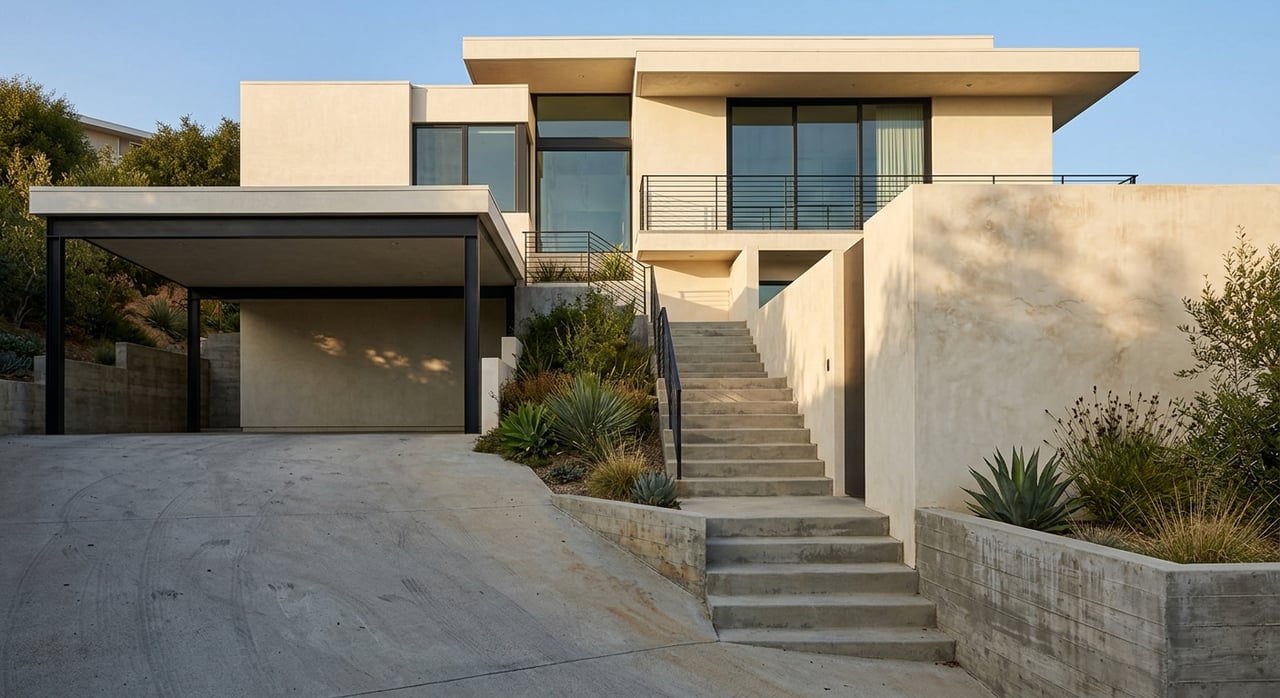
If you have ever fallen for a Silver Lake hillside home online, you already know the appeal is hard to fake. The angles, the views, the layered outdoor spaces, and the sense of privacy can feel distinctly Los Angeles. But buying on a hill is not quite the same as buying on a flat lot, and that difference matters long before you write an offer. This guide will help you understand what to look for, what questions to ask, and how to evaluate whether a Silver Lake hillside home fits your daily life. Let’s dive in.
Why Silver Lake hillside homes stand out
Silver Lake’s character is closely tied to its terrain. The Silver Lake Neighborhood Council describes the area as a landscape of hills and glens, with many streets laid out to follow the contours of the land rather than a flat street grid. Early development also included homes built on step streets, which still shapes how parts of the neighborhood feel today.
That means a hillside purchase here is often a topography-first decision. In many cases, the slope, street approach, lot shape, and path to the front door can matter almost as much as the home’s interior square footage. In Silver Lake, the hill is often part of the property’s value and part of its complexity.
The City’s community plan also treats preserving neighborhood character as a priority in this older part of Los Angeles. For you as a buyer, that helps explain why hillside homes here often feel more specific, more site-driven, and more connected to the land around them.
What daily life looks like on a hill
A Silver Lake hillside home can offer a strong sense of privacy and separation from the street. At the same time, daily routines may involve more stairs, more level changes, and more thought about how you actually move through the property.
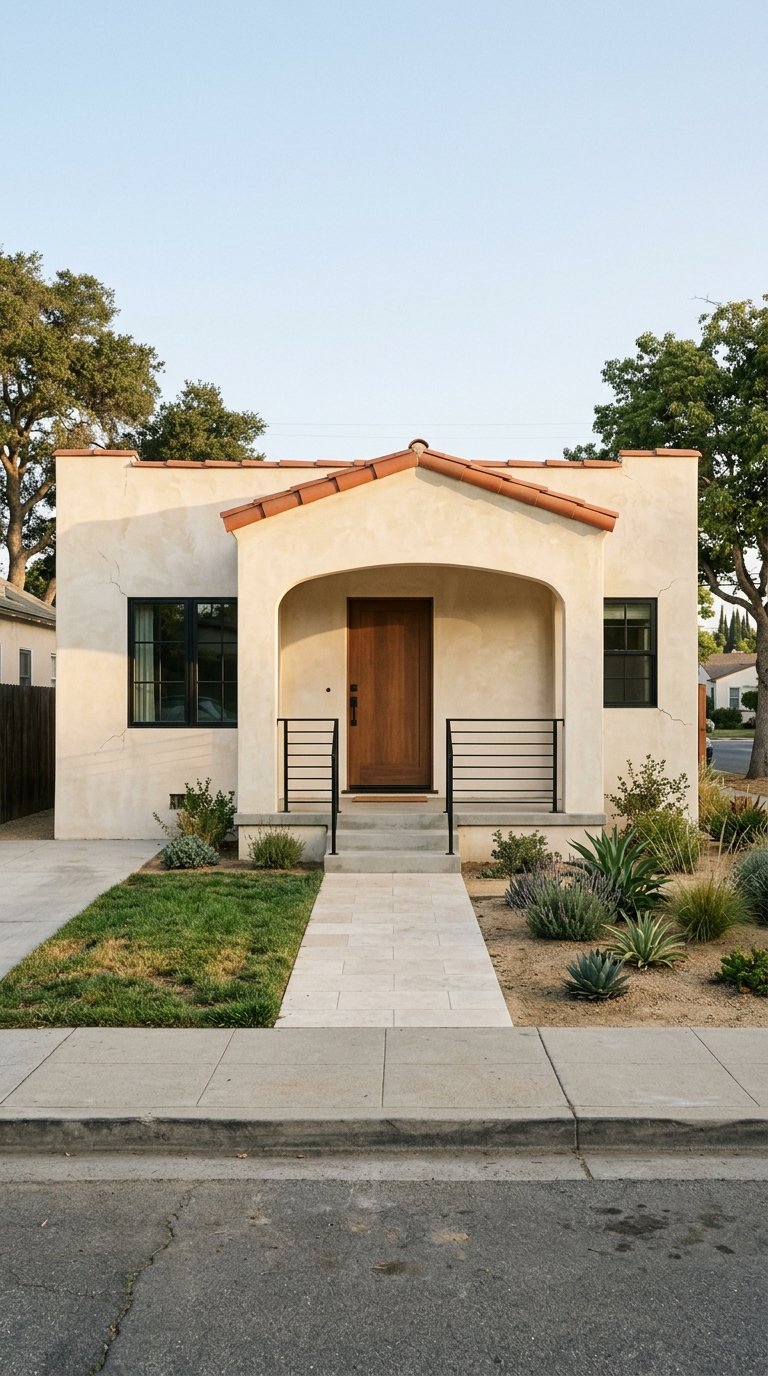
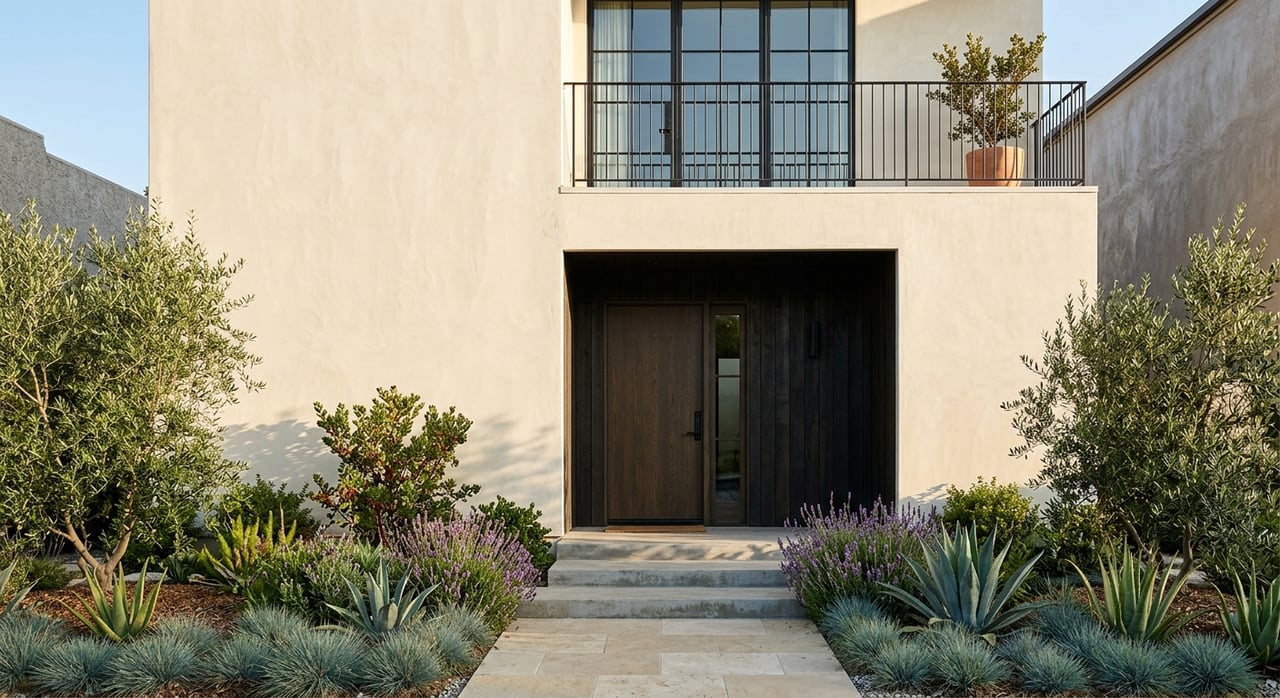
City planning documents describe one- and two-story single-family homes on hillside parcels, curving streets, public staircases, and parcel edges often buffered by walls, fences, and hedges. In practical terms, that can mean the front entry experience feels tucked away and private, but not necessarily because of a large front yard. Privacy is often created through elevation, landscaping, and boundary design.
Stairs are part of the experience
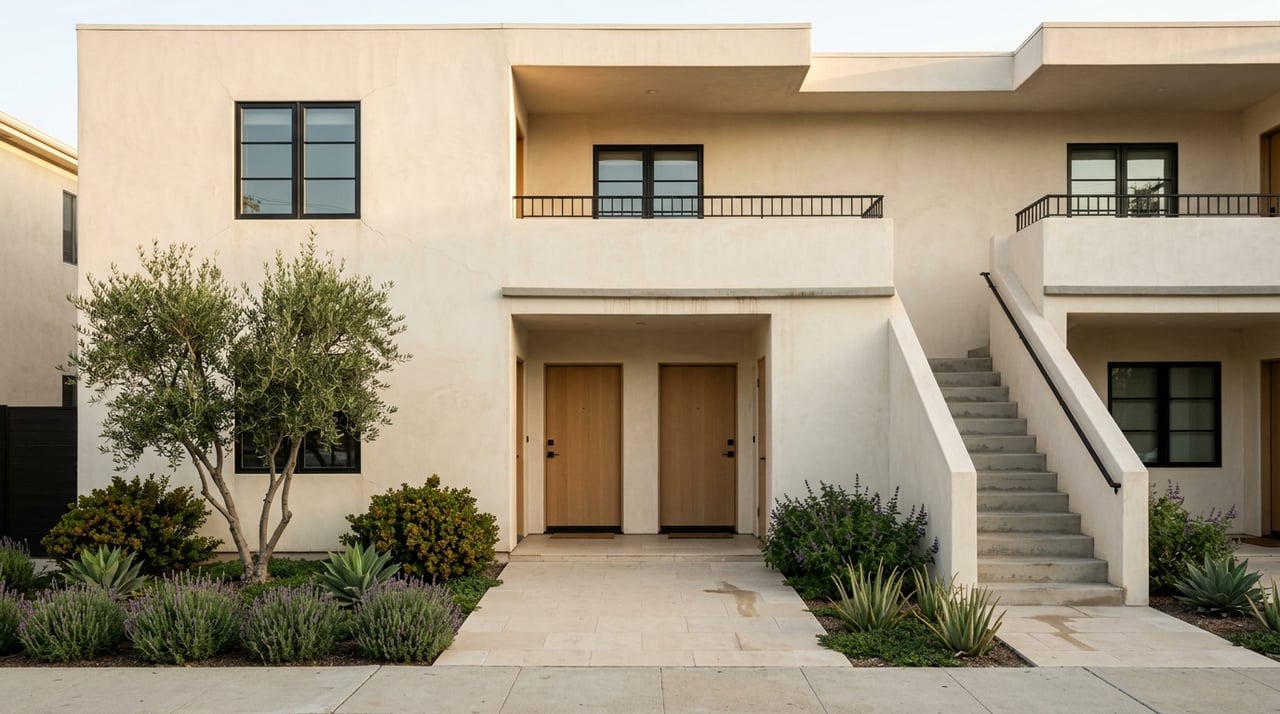
In Silver Lake, stairs are not always an occasional feature. They can be part of your everyday routine from sidewalk to entry, from garage to kitchen, or from one outdoor terrace to another.
The neighborhood includes numerous historic staircases and seven public staircases are specifically noted in a City historic-district report. When you tour a home, it helps to notice not just whether there are stairs, but where they show up and how often you would use them.
Access shapes convenience
On a flat lot, access is often easy to take for granted. On a hillside lot, the route from curb to driveway to front door deserves close attention.
The Los Angeles Fire Department reviews factors like street width, turn-arounds, turning radii, grade access points, parking restrictions, overhead clearances, load capacity, and secured entrances. That gives you a useful frame as a buyer: access is not just about whether you can get in and out. It is also about how the property functions in real-world conditions.
Parking can be a tradeoff
Parking is one of the most practical parts of hillside living. The community plan calls for a sufficient system of on-street and off-street parking and notes ongoing concern about parking availability in Silver Lake.
That does not mean every hillside property has a parking problem. It does mean you should treat parking as part of the home itself, not as an afterthought. A beautiful house can feel very different if street parking is tight, the driveway is steep, or guest access is limited.
What to check before you get emotionally attached
Silver Lake hillside homes often reward buyers who love architecture, outlook, and neighborhood character. They also tend to reward buyers who pay attention early.
Before you get too far into the process, focus on the property’s physical setup and any records tied to the lot. A little diligence upfront can save time and reduce surprises later.
Review the access route
Los Angeles hillside rules for single-family homes can hinge on vehicular access. The zoning manual says homes in the Hillside Area are subject to the Hillside Ordinance unless they qualify for an exemption, and one common exemption depends on vehicular access by a continuous paved roadway at least 28 feet wide. In other situations, 20-foot roadway standards or Zoning Administrator relief may apply.
For you, the takeaway is simple: if the street is narrow, steep, or feels difficult to navigate, ask questions early. The access route matters for everyday comfort and may also matter if future work is planned.
Ask for soils and geology reports
If the home sits on a hillside lot, ask whether soils reports, geology reports, grading records, or permit history are available. This is especially important if the property includes retaining walls or appears to be on a cut-and-fill site.
LADBS says grading permits are required for earthwork in the Hillside Grading Area, and soils or geology reports are usually required before permits are issued. Those reports often address slope instability, liquefaction, earthquake-induced landslides, and nearby active faults.
Check hazard maps early
California Geological Survey says EQ Zapp allows buyers to check whether a property falls within mapped earthquake hazard zones. These zones can include fault rupture, liquefaction, and earthquake-induced landslides.
That does not tell you everything about a specific property, but it is a smart early screening step. If a home is in a mapped zone, geologic and engineering investigations may be required before construction begins, which is important if you are thinking about future improvements.
If you plan to remodel, expect more review
A hillside home can be exciting for buyers with a design vision. But in Silver Lake, future additions or major work may face closer review than a similar project on a flat lot.
Los Angeles applies extra hillside rules in designated areas, including Hillside Construction Regulation supplemental use districts that add construction-impact protections for single-family residential development. The City’s community plan also emphasizes preserving views in hillside areas, limiting development according to infrastructure and natural topography, and considering site steepness and geology in development proposals.
That means you should not assume a remodel will be straightforward just because the lot seems large enough. On hillside properties, what looks possible visually may still require additional review tied to topography, access, drainage, or geologic conditions.
A practical touring checklist
When you walk a Silver Lake hillside home, try to experience it as you would on a normal day, not just as a showing.
Here are a few smart things to evaluate:
- Walk the full route from street or parking area to the front door.
- Notice how many stairs or level changes you use.
- Check the driveway, street width, and how easy it feels to arrive and leave.
- Look at retaining walls, terracing, and visible grading.
- Ask for available permit records, grading history, and soils or geology reports.
- Review earthquake hazard disclosures carefully.
- If possible, visit at different times of day to get a better feel for parking and access.
This kind of tour tells you more than a quick first impression. On a hillside property, lifestyle fit and site conditions are closely connected.
The Silver Lake tradeoff
The right hillside home can offer exactly what many buyers want in Silver Lake: architecture shaped by the land, a stronger sense of privacy, layered outdoor space, and a setting that feels distinct from a conventional city lot. That appeal is real.
The tradeoff is that you may also be buying more stairs, more variable parking, and more due diligence. In this part of Los Angeles, that is often the feature, not the flaw. If you know how to evaluate the lot as carefully as the house, you can make a more confident decision and find a home that truly fits the way you want to live.
If you are considering a hillside purchase in Silver Lake and want a thoughtful, design-literate guide through the process, Silke Fernald can help you evaluate the details that matter most.
FAQs
What makes buying a Silver Lake hillside home different from buying a flat-lot home?
- In Silver Lake, many streets and homes were built around the natural hills, so slope, access, lot shape, stairs, and parking often matter almost as much as the home itself.
What should buyers check first when touring a Silver Lake hillside property?
- Focus on the route from curb to front door, the driveway and street access, the number of stairs, the parking setup, and whether soils reports, geology reports, or grading records are available.
Do Silver Lake hillside homes face extra city review for future remodels?
- Yes. Los Angeles applies additional hillside rules in certain areas, and future work may receive closer review based on access, topography, geology, infrastructure, and view considerations.
How can buyers check earthquake hazard zones for a Silver Lake home?
- The California Geological Survey says buyers can use EQ Zapp to see whether a property falls within mapped zones for fault rupture, liquefaction, or earthquake-induced landslides.
Why is parking so important when buying a hillside home in Silver Lake?
- Parking and access are part of the daily lifestyle tradeoff on the hills, where narrow or steep streets, driveway conditions, and on-street parking availability can shape how convenient the home feels day to day.