If you have ever fallen for a Hollywood Hills home in a listing photo, you already know the appeal. The views can feel cinematic, the architecture can be unforgettable, and the privacy can be hard to match elsewhere in Los Angeles. But daily life in the hills comes with real tradeoffs, and understanding both sides helps you buy or sell with more confidence. Let’s dive in.
Why Hollywood Hills Feels Different
Hollywood Hills does not operate like one uniform neighborhood with one simple rulebook. It sits within the Hollywood Community Plan Area, and the City of Los Angeles identifies multiple overlays and special districts that can apply in the hills, including Hollywoodland, Hollywood Grove, Whitley Heights, the Hillside Construction Regulation supplemental use district, and the Hollywood Community Plan Implementation Overlay.
That matters because parcel-specific rules often shape what you can build, alter, or review. In flatter parts of the city, homes may feel easier to compare block by block. In the hills, one lot can function very differently from the next.
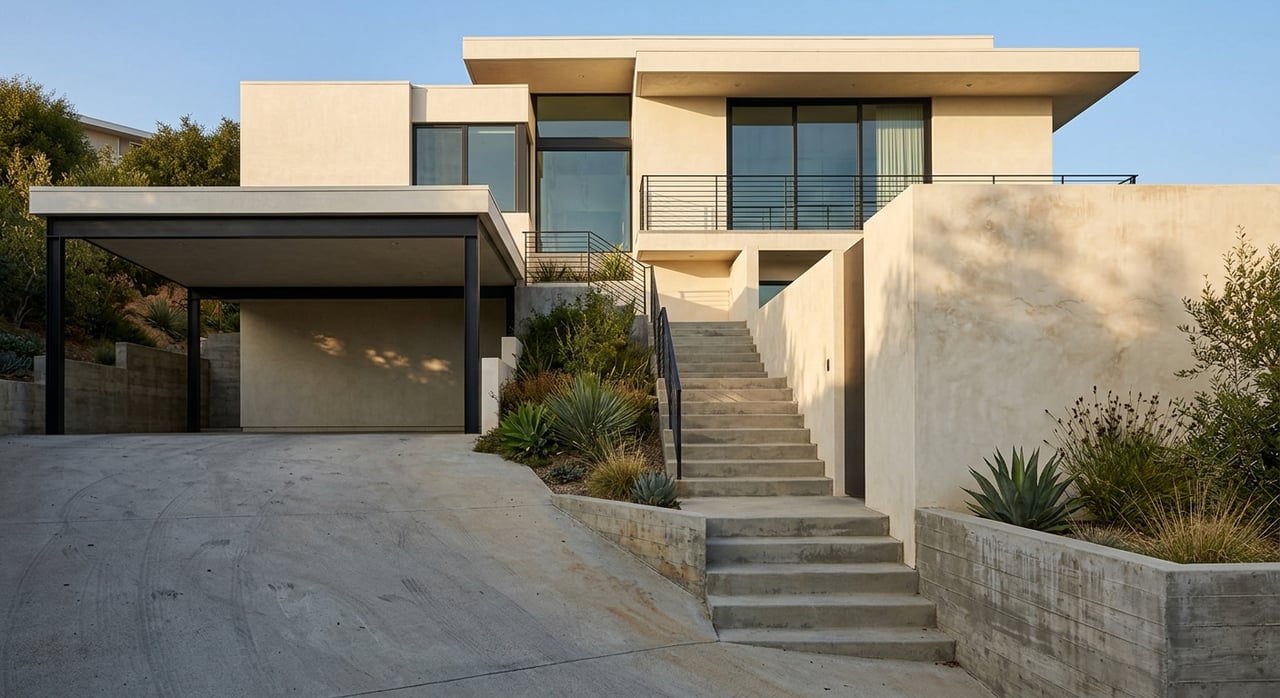
The physical layout also changes how the neighborhood reads. SurveyLA found that many hillside homes are hard to fully see from the street because they sit on sloping lots, behind walls or fences, and often turn toward the view instead of toward the sidewalk.
That design logic is part of the area’s identity. City planning materials describe panoramic views of mountains, the Hollywood Sign, Griffith Observatory, and the downtown skyline as part of the visual character, which helps explain why Hollywood Hills often feels secluded, layered, and distinctly Los Angeles.
Architecture Comes In Layers
Hollywood Hills is not defined by one house style. It is better understood as a series of hillside development moments, each with its own architectural language.
Hollywoodland And Early Revival Homes
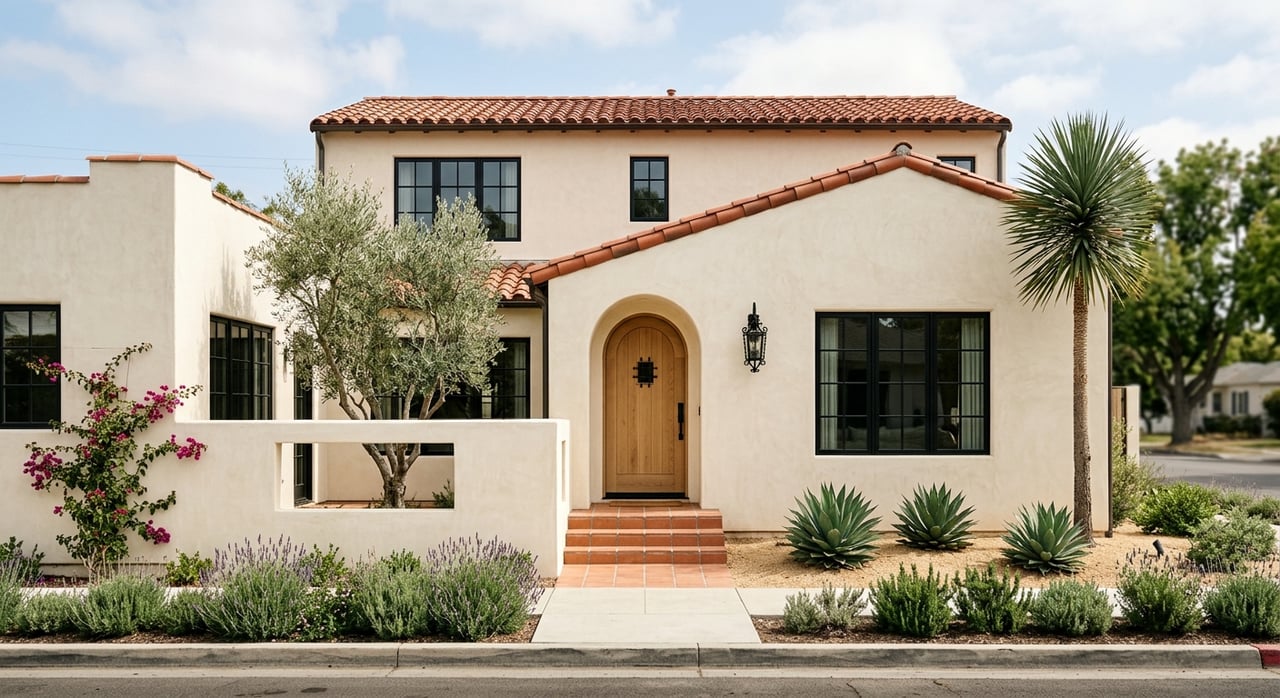
Hollywoodland is one of the clearest examples of the area’s early vision. The Hollywoodland Specific Plan says it was laid out in the early 1920s as a custom-home, single-family subdivision with a European village character.
That same plan also focuses on protecting ridgelines, preserving the natural setting and architectural character, and improving fire protection and access on narrow, winding streets. In other words, design and terrain have always been tied together here.
Survey materials describe many original Hollywoodland hillside homes as Period Revival. These homes often feel deeply connected to the landscape, with the site shaping the experience as much as the architecture itself.
Foothill Pockets Add Variety
Nearby pockets show just how varied the older housing stock can be. Survey materials describe Hollywood Grove as a small foothill neighborhood with Craftsman, American Colonial Revival, and other Period Revival bungalows.
Whitley Heights adds another layer. It was designed as a Mediterranean village setting with Spanish Colonial Revival houses, though the later construction of the Hollywood Freeway altered part of the original neighborhood layout.
Taken together, these areas show why broad labels can be misleading. When buyers say they want a “Hollywood Hills home,” they may be describing very different settings, street patterns, and architectural eras.
Postwar Modernism Changed The Hills
Postwar modernism became a major part of the Hollywood Hills story. City planning historic context materials describe Mid-Century Modern as especially influential after World War II, with flat roofs, deep overhangs, open floor plans, large expanses of glass, and strong indoor-outdoor flow.
Those qualities fit hillside living naturally. A sloped site, a dramatic outlook, and a desire to capture light all work well with modern design.
The city’s architecture context also spans Ranch House, L.A. Modernism, Late Modern, and Postmodernism, which helps explain why the area can feel historic and contemporary at the same time. Custom modern homes became especially common in affluent hillside areas in greater Hollywood, and notable residential work by John Lautner, including the Chemosphere and Harpel House, is part of that broader legacy.
The View Is Real, But So Are The Tradeoffs
The strongest Hollywood Hills homes tend to treat the site as the main design element. That can create remarkable spaces, but it also changes the day-to-day experience of ownership.
Access Can Shape Daily Life
One of the biggest practical tradeoffs is access. LAFD says hillside communities in Los Angeles face ongoing wildfire threat, and narrow roads, sharp curves, hairpin turns, and key intersections can become choke points for emergency vehicles and evacuating residents.
That reality shows up even on ordinary days. Streets can be winding, curb parking can be limited, and the logistics of guests, deliveries, service providers, or multiple household vehicles may require more planning than a similar home on flat land.
LAFD’s Red Flag Parking program adds another layer. On posted streets in Very High Fire Hazard Severity Zones, parking restrictions can go into effect when winds reach 25 miles per hour or more and humidity falls to 15 percent or less. Hollywood is among the communities included in that fire-zone history.
Slope Conditions Are Part Of The Property
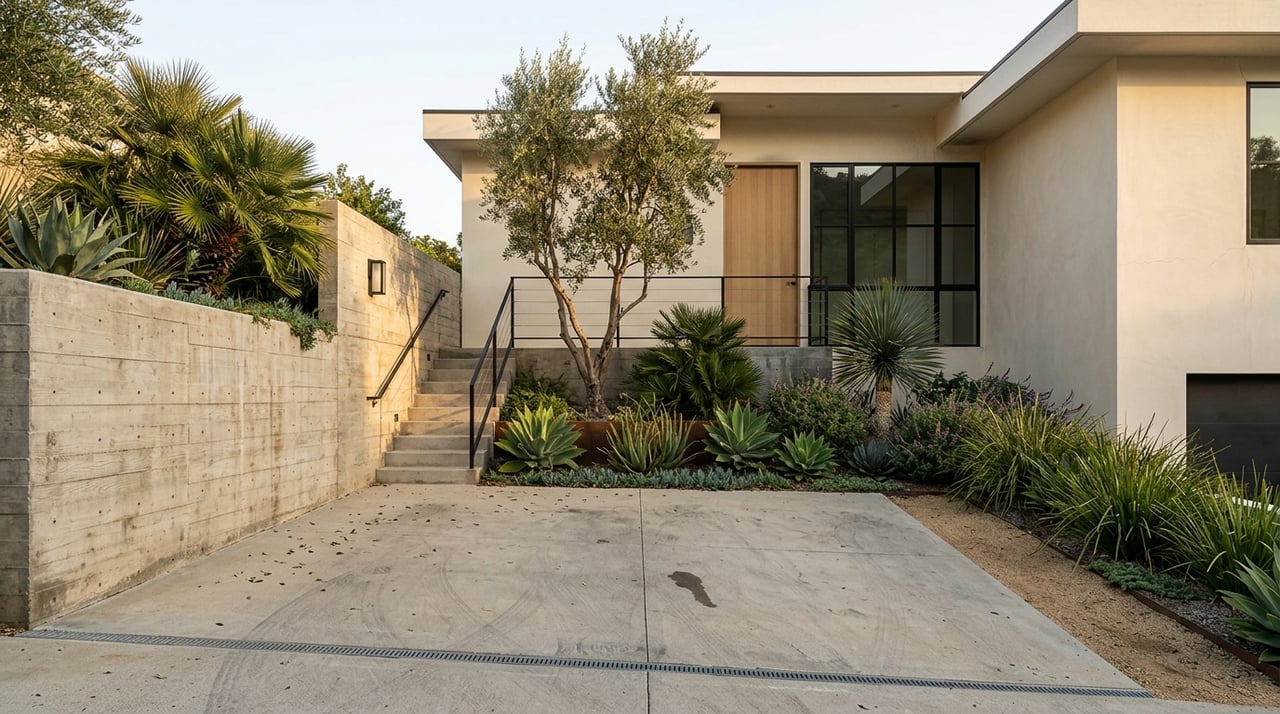
In the hills, the lot is not just background. Slope, drainage, retaining walls, and site engineering are part of how the home functions.
LADBS requires grading permits for earthwork in the Hillside Grading Area and for work such as slope repairs, landslide repairs, basement excavations, pool excavations, and retaining-wall cuts or backcuts. The department also notes that geotechnical reports commonly address slope instability, earthquake-induced landslides, and liquefaction.
City emergency management adds that landslides can be triggered by hillside construction, poor irrigation, utility-water leakage, and heavy rain. For buyers, that means due diligence should extend beyond finishes and floor plans. For sellers, it means records related to site work and drainage can be especially important.
Wildfire Readiness Is Ongoing
Wildfire preparedness in hillside communities is not seasonal window dressing. LAFD’s wildfire guidance emphasizes year-round vegetation management, home-hardening awareness, and attention to evacuation information through Genasys Protect.
That ongoing responsibility is one reason hillside homes can feel more maintenance-intensive than similarly sized homes elsewhere. The setting is a major part of the value, but it also asks more of you as an owner.
Getting Around Hollywood Hills
Hollywood Hills is close to major Los Angeles destinations, but that does not always mean daily life is easy without a car. Metro’s Hollywood/Highland station is served by the B Line and local buses, and bike-share has expanded into Hollywood.
Still, Metro’s half-mile travelshed analysis for Hollywood/Highland shows that 55.5 percent of commuters drive alone, while 10.2 percent use public transit. That mix reflects a neighborhood that connects to transit at the base but remains largely driving-oriented in practice.
This is especially noticeable when you compare map distance to real travel time. A destination may look close, but hillside streets, parking limitations, and route choices can make everyday trips feel slower than expected.
Nearby Destinations Add Appeal
Part of the draw is how close the hills feel to iconic Los Angeles destinations. Griffith Park notes that transit is often the easiest way to reach Griffith Observatory or hike to a Hollywood Sign viewpoint because parking becomes especially limited on weekends, holidays, and summer days.
Metro also promotes B Line access and shuttle service to the Hollywood Bowl, including a free shuttle from Hollywood/Highland. So while the neighborhood often functions as a car-heavy area, it still benefits from being near some of the city’s best-known recreation and entertainment destinations.
What Buyers Should Check First
If you are considering a Hollywood Hills purchase, a beautiful house is only the starting point. Some of the most important questions are tied to the parcel and the street.
Parcel-Level Questions Matter
Start with the planning context. A home may sit within a specific plan, HPOZ, or another overlay that shapes review and future changes. In this area, Hollywoodland, Whitley Heights, Hollywood Grove, and the Hollywood Community Plan Implementation Overlay can all affect how a property is governed.
Then look closely at the site itself. Retaining walls, drainage paths, soils or geology reports, and any history of cut-and-fill work can be central to how a hillside home performs over time.
Street function also matters more than many first-time hillside buyers expect. Narrow roads, limited parking, and possible Red Flag restrictions can shape daily convenience just as much as square footage or bedroom count.
Finally, pay attention to orientation. In Hollywood Hills, some of the most compelling homes turn their living spaces toward the view instead of toward the street, which can create a very different sense of privacy, light, and arrival.
What Sellers Should Understand
If you are selling a Hollywood Hills home, the strongest marketing angle is rarely just “great views.” Buyers shopping here are often responding to the relationship between architecture, site, and lifestyle.
That means presentation should show how the home lives on its lot. Privacy, outlook, indoor-outdoor flow, and architectural character all matter, but serious buyers also want confidence around access, maintenance realities, and site-related features.
For design-forward properties, that is where a more editorial approach can make a difference. A home in the hills usually has a story to tell, and the most effective strategy is to present that story clearly while also helping buyers understand the practical side of ownership.
If you are thinking about buying or selling in Hollywood Hills, working with someone who understands both design value and hillside realities can help you make sharper decisions. Silke Fernald brings a design-literate, hands-on approach to architecturally significant and character-driven homes across Los Angeles.
FAQs
What makes Hollywood Hills homes feel more private than homes in flatter Los Angeles neighborhoods?
- Many Hollywood Hills properties sit on sloping lots, are screened by walls or fences, and are oriented toward views rather than the street, which can make them feel more secluded.
What architectural styles are common in Hollywood Hills?
- The area includes Period Revival, Craftsman, American Colonial Revival, Spanish Colonial Revival, Mid-Century Modern, and later modern hillside homes, depending on the pocket and development era.
What daily tradeoffs come with living in Hollywood Hills?
- Common tradeoffs include narrow winding roads, limited parking, wildfire readiness, slope and drainage maintenance, and a lifestyle that is often more car-dependent than the map suggests.
What should buyers review before purchasing a Hollywood Hills home?
- Buyers should review parcel-specific overlays or plans, street access and parking conditions, retaining walls and drainage, and any available soils, geology, or grading-related records.
How does wildfire planning affect Hollywood Hills homeowners?
- LAFD identifies hillside communities as being under ongoing wildfire threat, and homeowners may need to stay current on brush clearance, vegetation management, home-hardening steps, and evacuation information.
Is Hollywood Hills a good fit for buyers who care about architecture?
- Hollywood Hills often appeals to architecture-focused buyers because it includes distinct hillside pockets with varied historic and modern design, plus strong connections between home design and landscape.