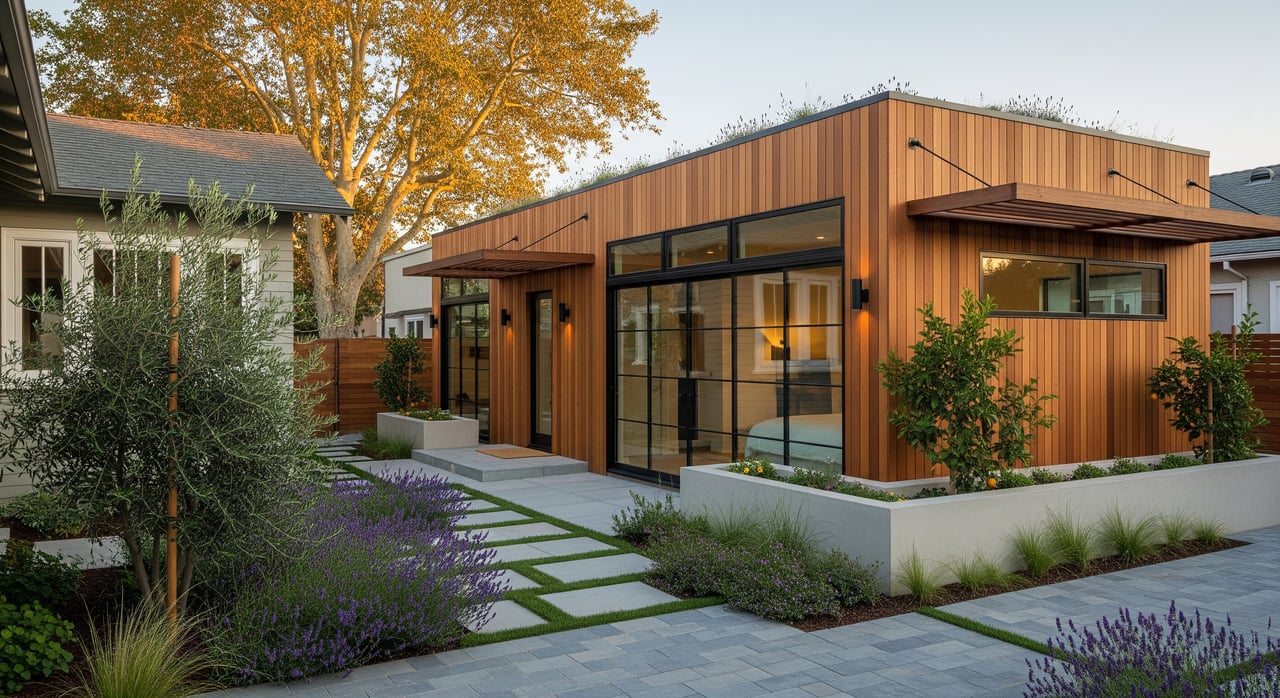
Thinking about adding an accessory dwelling unit to your Atwater Village property? You are not alone. Many owners want flexible space for family, a private studio, or reliable rental income without leaving the neighborhood they love. In this guide, you will learn the ADU types that work best in Atwater Village, size and parking rules, Los Angeles permitting steps, ballpark costs, and design tips tailored to local lots. Let’s dive in.
Why ADUs fit Atwater Village
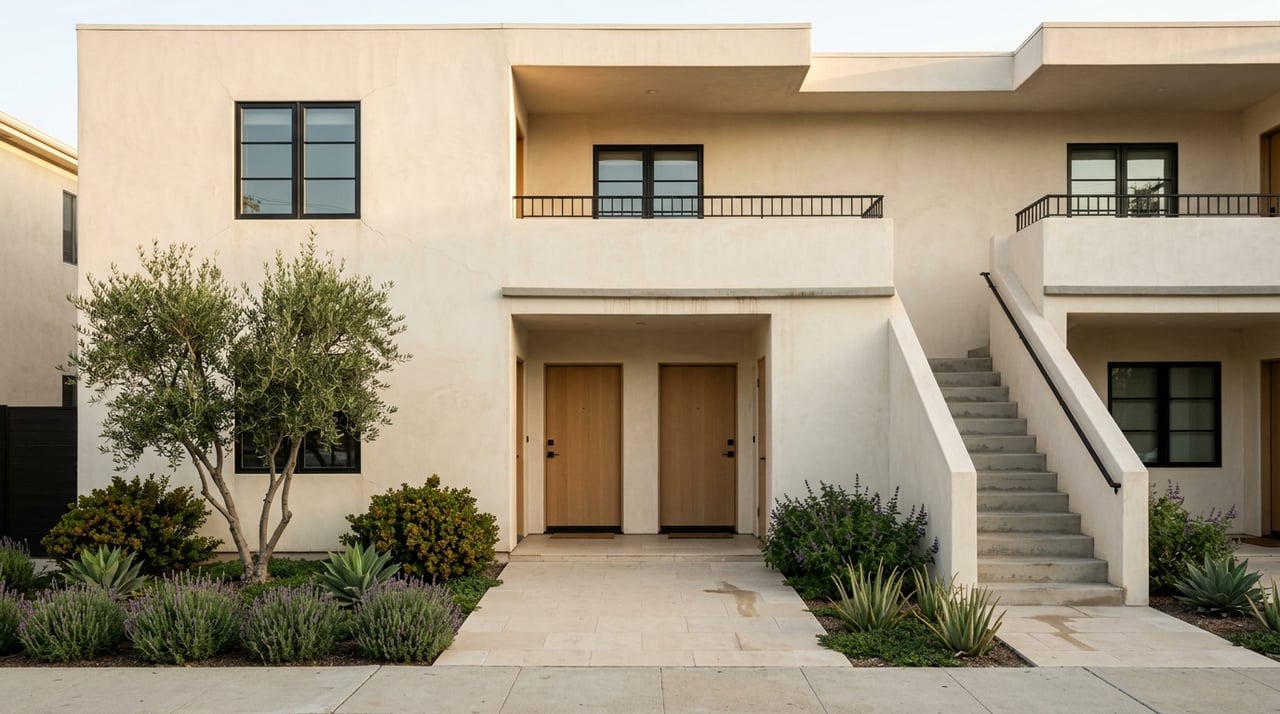
Atwater Village lots often include detached garages and alley access, which makes conversions and backyard ADUs practical. Smaller lot sizes push you to be efficient with footprint and privacy, and an ADU can add both utility and value when done thoughtfully. If you are planning a rental or multigenerational setup, separate entrances and smart layouts help you get more from the space you already have.
ADU types and what to expect
Junior ADU (JADU)
A JADU is created from space inside your existing home, usually up to 500 square feet. It is the lowest-cost path because it often uses existing plumbing and mechanical systems. JADUs may use a kitchenette or share some features with the main home, depending on code. For statewide rules and context, review California HCD’s ADU guidance.
Garage or interior conversion
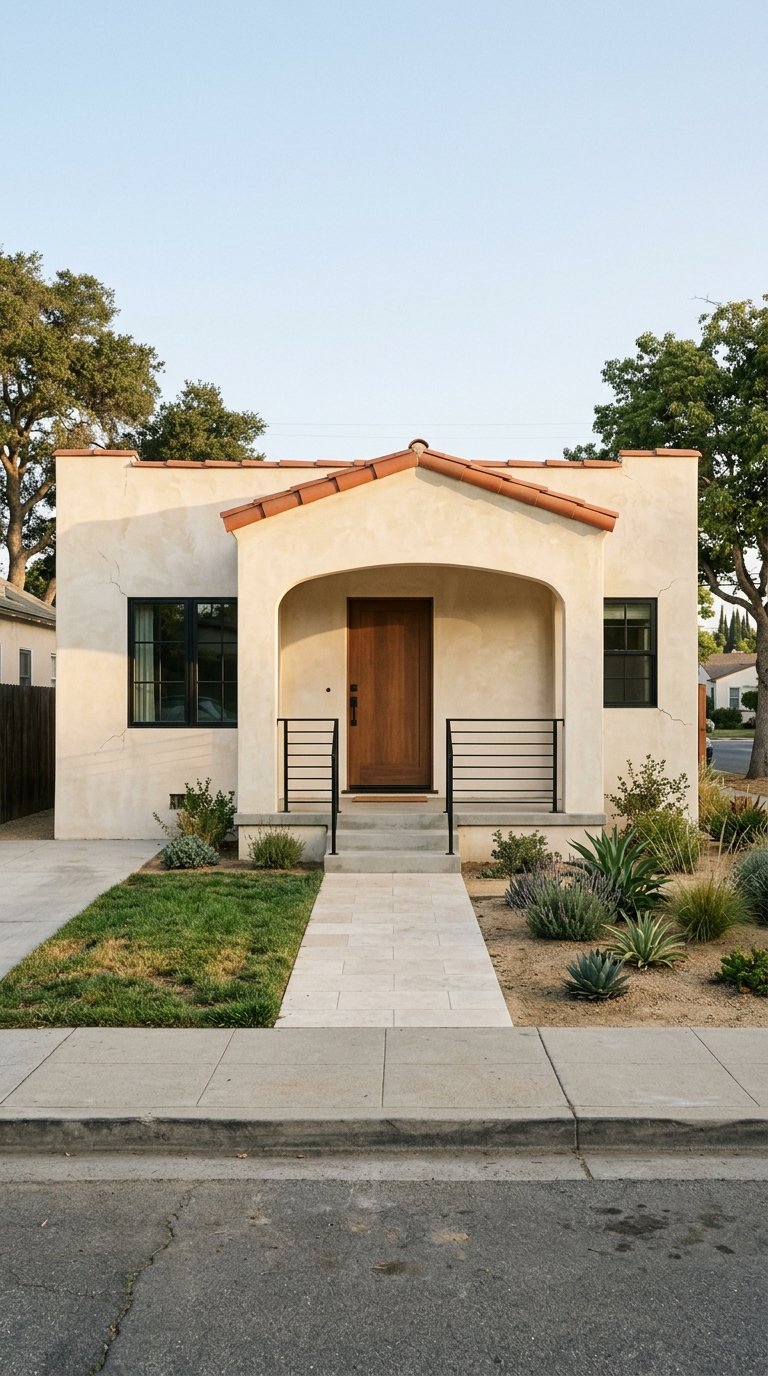
Converting an existing garage, attic, or other enclosed structure can be very cost-effective. In Atwater Village, older bungalows with detached, alley-facing garages are common, which makes a conversion straightforward and provides a private entrance from the alley. You often avoid new foundations and rooflines, which keeps timelines and budgets in check.
Attached ADU
An attached ADU is an addition to the main house, for example a side or rear addition. It tends to sit in the middle on cost and complexity. You will need to meet Los Angeles requirements for setbacks, height, and lot coverage, and coordinate structural tie-ins.
Detached new-build ADU
A detached ADU is a separate structure, frequently set in the backyard or along the alley. It offers the most privacy and flexibility, which is ideal for long-term rentals or multigenerational living. It is also the highest cost option since you are building a new structure with foundations, utilities, and full systems.
Size, parking, and how many units
State law sets guardrails for local jurisdictions. The big takeaways that affect Los Angeles include:
- Size: A detached ADU can be allowed up to 1,200 square feet in many cases, subject to local standards. A JADU is typically limited to 500 square feet. See statewide context in HCD’s ADU materials.
- Parking: State rules reduce parking requirements in many situations. For example, no parking is required for certain conversions, for ADUs within a half mile of transit, or in areas where on-street permits are scarce. This is helpful on smaller Atwater Village lots.
- Number of units: Depending on zoning and implementation, many single-family parcels can support one ADU plus one JADU, or in some cases two ADUs. Confirm details for your parcel using Los Angeles City Planning’s ADU guidance.
LA permitting, step by step
ADUs that comply with objective standards in Los Angeles are reviewed ministerially, which simplifies approvals. Here is the typical path:
1) Preliminary feasibility
Check zoning, lot size, setbacks, height limits, and any overlays like a Historic Preservation Overlay Zone or neighborhood-specific plan. Look for alleys and easements. Alley access is common in Atwater Village and can simplify design and unit access.
2) Choose your ADU type and team
Decide between a JADU, conversion, attached, or detached unit. For most projects, you will involve an architect or ADU designer, possibly a structural engineer, and a contractor. For simpler conversions, a design-build contractor can streamline the process. A permit expeditor is optional but can help if your timeline is tight or your site has constraints.
3) Prepare and submit plans
Your plans must meet Los Angeles standards for zoning, setbacks, parking, height, utility connections, and energy compliance under Title 24. Submit through the LADBS ADU plan check process. Pre-application consultations with LADBS or City Planning can flag issues early.
4) Plan check and approval
If your submittal is complete and compliant, review is ministerial. Expect some back-and-forth on comments and coordination for mechanical, electrical, plumbing, and energy documentation.
5) Construction and inspections
Inspections occur at key stages, including foundation, framing, utilities, and final. You will receive a Certificate of Occupancy or final sign-off after passing inspections.
How long it takes in Los Angeles
Timelines vary by scope and workload. As a general reference:
- Feasibility and design: a few weeks to 2 to 3 months.
- Plan check and permits: often 2 to 4 months with complete submittals, longer for complex projects or missing items.
- Construction: roughly 1 to 3 months for small conversions, and around 4 to 9 months for detached new-builds, depending on scope and contractor availability.
These are broad ranges. Your actual timeline depends on design choices, site conditions, and how complete your plans are at submittal.
Fees, utilities, and connections
You will pay permit fees to LADBS and other departments. Some impact and utility fees may be reduced or waived for smaller ADUs under state and local rules, especially for units under 750 square feet. Utility work, such as sewer connections, panel upgrades, or a new water service, can affect budget and schedule. Coordinate early with local agencies so utility design does not delay your build.
Costs in Los Angeles: realistic ranges
Total costs reflect size, structure, utilities, site complexity, and finishes. In the Los Angeles area, representative ballparks include:
- JADU interior conversion, minimal kitchen changes: roughly $20,000 to $70,000.
- Garage or interior conversion, basic one-bedroom: roughly $50,000 to $150,000.
- Attached ADU addition, one bed and one bath: roughly $100,000 to $300,000.
- Detached new-build ADU, about 400 to 900 plus square feet, mid-range finishes: roughly $150,000 to $400,000 plus.
- Per square foot: approximately $200 to $450 plus depending on scope and finish level.
These ranges are broad and reflect typical LA conditions. Conversions that avoid heavy structural work can hit the low end, while new detached units with foundations, trenching, and upgraded utilities land higher. Add permit and utility fees, energy compliance, possible fire sprinklers in some cases, and contingency for older-building surprises.
Financing options often include cash, home equity or HELOCs, renovation or construction loans, and ADU-specific lenders or programs. Some public agencies periodically offer pilots for ADU creation linked to affordability. Check current City and County programs when you are budgeting.
Atwater Village site and design tips
- Think about the alley. If your lot has alley access, a detached ADU with alley entry helps with privacy and keeps the front-of-house streetscape intact.
- Plan for setbacks and height. Los Angeles zoning sets rear and side setbacks and maximum heights for accessory structures, which can be lower than the main house. Determine these early so your massing fits.
- Check utilities early. Older homes may have aging sewer laterals or undersized electrical panels. Budget for upgrades so you do not stall during inspections.
- Watch for overlays and the LA River. If you are near the LA River corridor, floodplain or additional permits might apply. If your block has a historic or conservation overlay, you may need specific design review.
- Design for long-term use. Separate entrances, single-level layouts, and universal design features help both multigenerational living and long-term rentals. Strong sound insulation, privacy-minded window placement, and outdoor screening improve livability when buildings are close.
- Aim for efficiency. Title 24 energy compliance, water-efficient fixtures, and potential solar can reduce operating costs and increase appeal to renters.
Rentals, taxes, and occupancy rules
State law has relaxed owner-occupancy for many ADUs. Local rules have evolved, so verify current Los Angeles requirements before you finalize plans. The City of Los Angeles also regulates short-term rentals, and ADUs used as short-term rentals may be subject to specific registration and compliance. For parcel-specific tax impacts, new ADU construction generally adds assessed value for the improvement while Proposition 13 continues to limit general increases. Contact the LA County Assessor for details on your lot.
Quick start checklist
- Look up your property on the City’s zoning map and LADBS resources, and note overlays and alley access.
- Do a quick feasibility pass: measure rear yard depth, review your garage or attic, and identify visible easements.
- Speak with two or three ADU designers or architects to compare feasibility and ballpark pricing. Ask for local examples.
- Request a pre-application conversation with LA City Planning or LADBS, or review their ADU checklists to confirm submittal needs.
- Get at least two contractor bids once your plans are ready, including utility upgrade estimates.
- Explore financing early, including HELOCs, construction loans, or local ADU loan programs if available.
Partner with a local advisor
If you are weighing ADU potential as a homeowner, buyer, or small investor in Atwater Village, you do not have to map it alone. As a design-focused Los Angeles broker with hands-on project experience, Silke helps clients evaluate feasibility, connect with vetted designers and contractors, and plan for rental, multigenerational use, or future resale. If you want a practical path from idea to impact, schedule a discovery call with Silke Fernald.
FAQs
Can I build an ADU on my Atwater Village lot?
- Most likely, but you need to confirm zoning, lot coverage, setbacks, alley or easement constraints, and any historic or neighborhood overlays for your parcel.
What ADU size can I build in Los Angeles?
- A detached ADU can be allowed up to 1,200 square feet in many cases, while a JADU is typically limited to 500 square feet, subject to local standards and state law.
Do I need to provide parking for an ADU in Atwater Village?
- Often no, since state law removes parking requirements for certain conversions, ADUs near transit, or areas with limited on-street permits, but verify for your site.
How long do ADU approvals and construction take in LA?
- Plan about 2 to 4 months for design and permitting with complete submittals, plus 1 to 9 months for construction depending on scope and contractor schedules.
How much does an ADU cost in the Los Angeles area?
- Conversions can start around $50,000 to $150,000 and detached new-builds often range from $150,000 to $400,000 plus, depending on size, utilities, and finishes.
Can I use my ADU for short-term rentals in Los Angeles?
- The City of Los Angeles regulates short-term rentals, and ADUs may be subject to registration and specific limits, so check current city rules before listing.