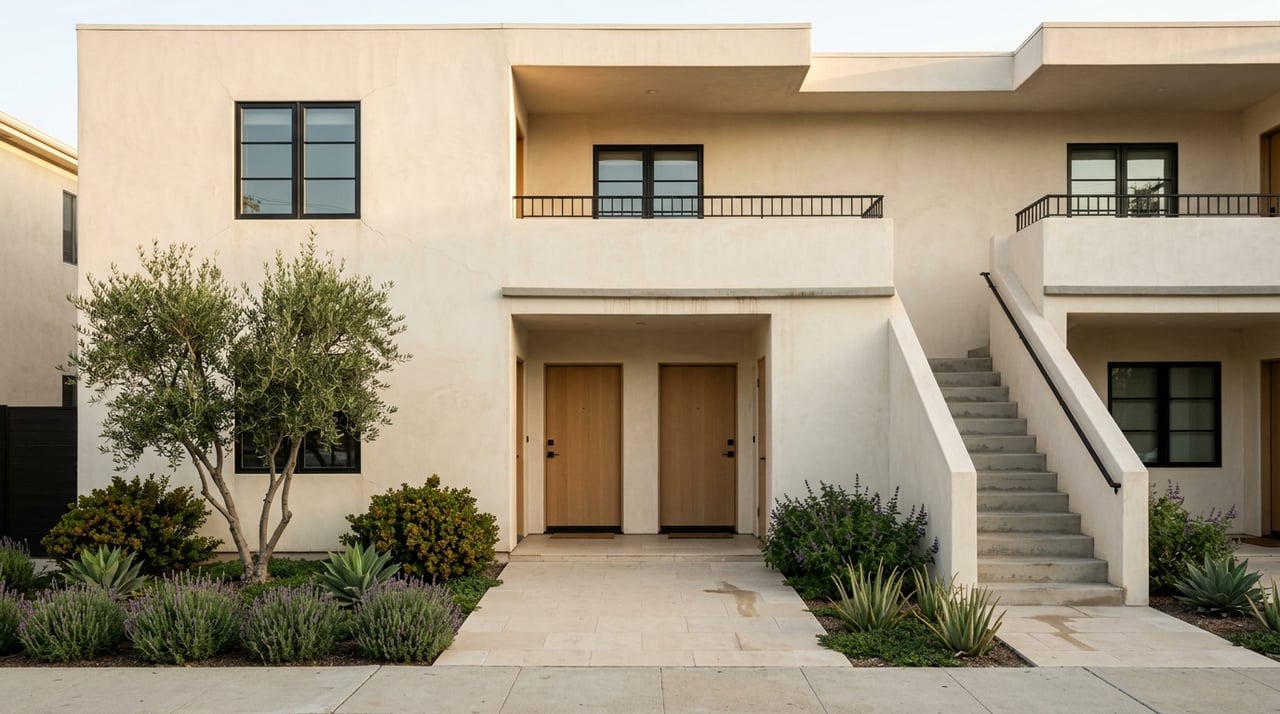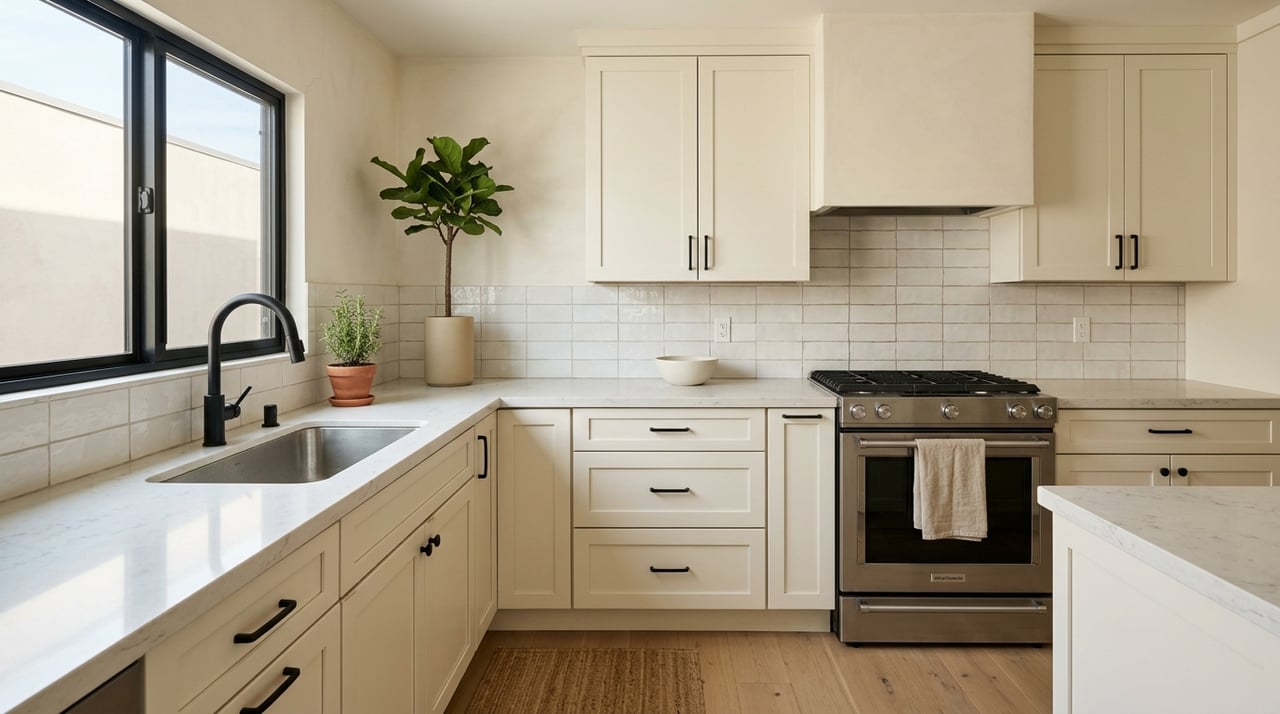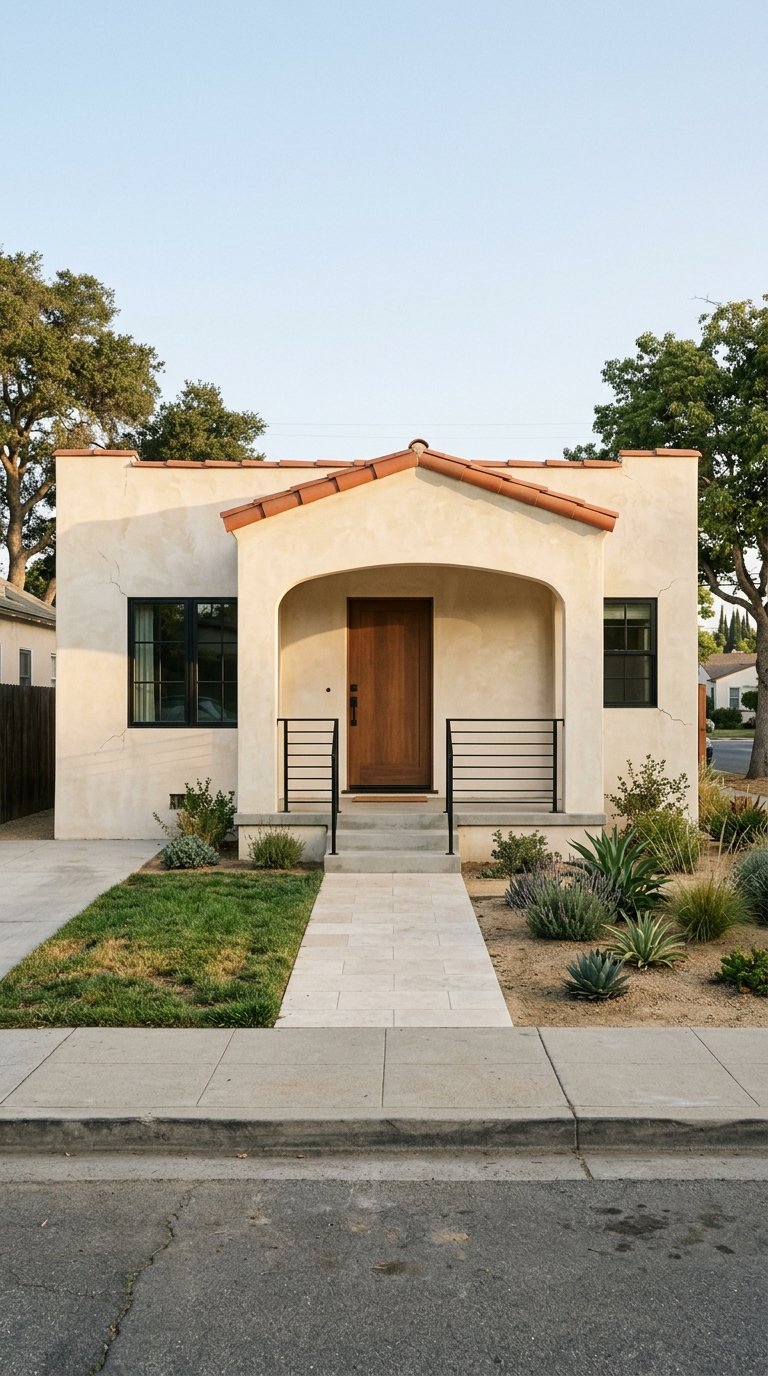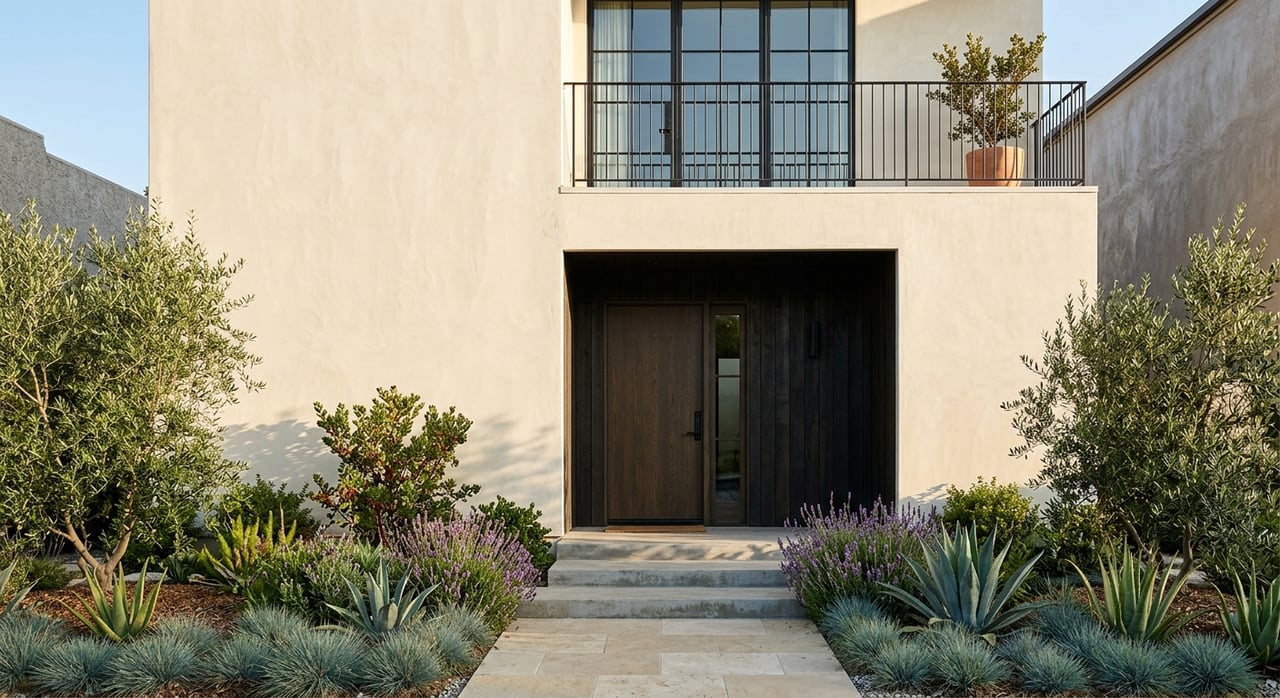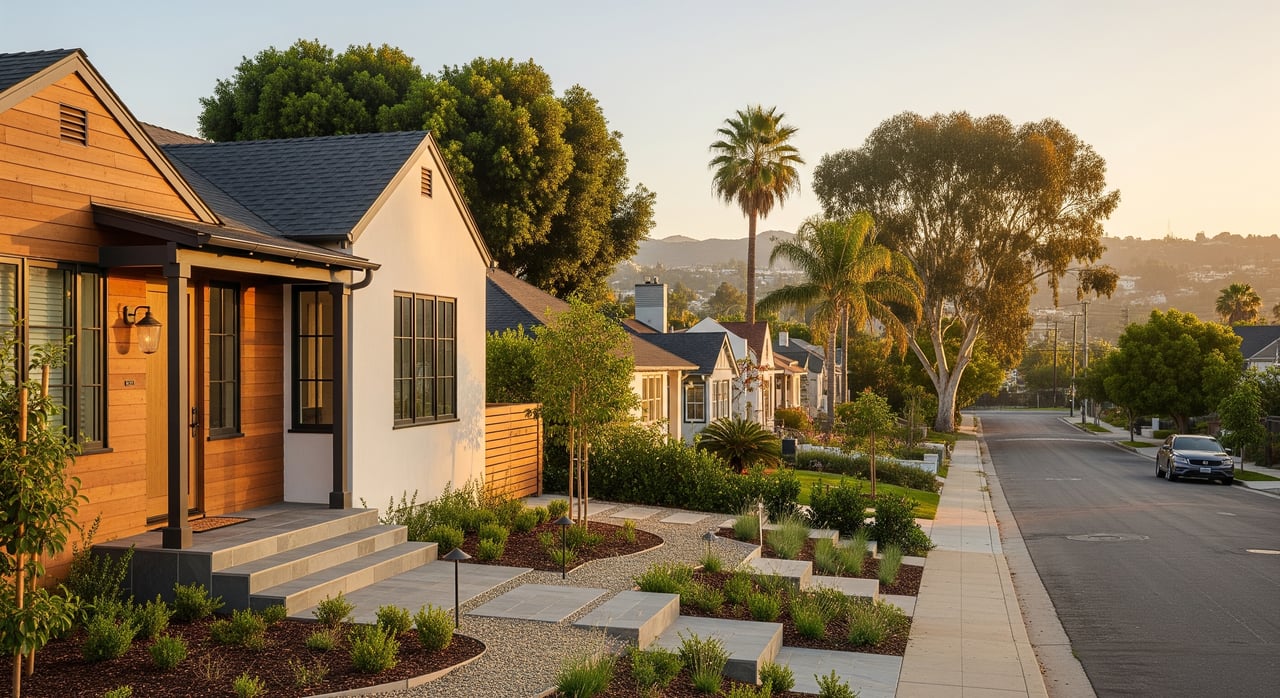
Curious about those modern, detached homes tucked behind a shared driveway in Eagle Rock? If you’re exploring options beyond condos or large single-family homes, small-lot subdivisions can open a path to fee-simple ownership in a great neighborhood. This guide breaks down what small-lot homes are, how Los Angeles rules apply, what to check as a buyer or seller, and where to go for next steps. Let’s dive in.
Small-lot basics in Los Angeles
A small-lot subdivision creates very small, fee-simple lots for detached homes or townhouses in multi-family or commercial zones. You own the land and structure like a house, not a condo share. The City adopted this approach to expand infill homeownership and add choices on underused parcels. You can see the City’s intent and case studies in the Small Lot Design Guidelines.
Key standards include a minimum lot area of about 600 square feet and minimum lot widths of roughly 18 feet, plus perimeter yard rules when next to standard single-family zones. Interior yards between small-lot parcels are often not required. For approval pathways and standards, review the Los Angeles Municipal Code small-lot provisions.
What this means in Eagle Rock
In Eagle Rock, small-lot homes offer a compact, design-forward way to buy fee-simple property in a high-demand area. Recent neighborhood snapshots show median prices in the mid six to low seven figures, so small lots can sometimes be a lower-cost entry point compared with larger homes. Always verify current comps for your micro-market.
Local examples help you picture the format. The Rock Row community is a widely cited early case, featured in the City’s guidelines and covered by the press. Get a visual of what these look like in Los Angeles Times coverage of Rock Row.
Approvals and timeline at a glance
Maps and design review
Small-lot projects file a tentative tract or parcel map and then record a final map. Approvals come with conditions, and you typically have 36 months to record the final map unless extended. Projects are reviewed against the City’s design guidance to ensure good site planning and neighborhood fit. For process details, start with the City’s Map Processing overview and the Small Lot Design Guidelines.
SB 684 streamlining
As of July 2024, California’s SB 684 created a ministerial, streamlined path for eligible subdivisions of up to 10 parcels with up to 10 homes in multi-family zones, subject to objective standards and site exclusions. SB 684 sets minimum lot sizes, limits certain setbacks, and caps parking in some transit-proximate situations. See how it interacts with LA’s rules in the City Planning SB 684 guidance.
Common design and site issues
- Access and driveways. Many projects use a shared access easement or alley. These easements must be recorded and are reviewed carefully by the City and lenders. For common access and final map requirements, review the Bureau of Engineering’s final subdivision procedures.
- Parking. On-site parking can be tandem, tucked garages, or reduced counts near transit if eligible under state rules. Confirm requirements early using the SB 684 implementation page.
- Perimeter compatibility. When a small-lot project abuts standard single-family zones, perimeter yard and height protections apply. Check the LAMC small-lot provisions for the specifics.
Buyer checklist for Eagle Rock small-lot homes
- Confirm a recorded final map and parcel number for the exact home, not just marketing plans. The City’s Map Processing page outlines mapping steps.
- Review the preliminary title report and all recorded easements for shared driveways, utilities, open space, and stormwater systems. A practical primer on why clear agreements matter is available from Abundant Housing LA.
- Ask for maintenance agreements that cover shared areas. Understand who pays for what and how disputes are resolved.
- Get lender pre-approval early and confirm your lender is comfortable with fee-simple small-lot configurations. For context on financing advantages over condos, see HUD’s small-lot case study.
- Verify parking assignments and any guest parking arrangements. If transit proximity applies, ask how state rules may affect parking.
- Walk the site for access and emergency egress, and consult your insurance agent on coverage given the shared drive and close building spacing.
Seller and small developer tips
- Schedule a pre-application conversation with City Planning and the Urban Design Studio before heavy design spend. Start with Map Processing and the design review resources hosted by the Urban Design Studio.
- Disclose recorded maintenance and access documents up front, including budgets and repair responsibilities, so buyers and lenders can underwrite cleanly. This approach aligns with best practices highlighted by Abundant Housing LA.
- Plan community outreach. The Eagle Rock Neighborhood Council Land Use Committee regularly reviews infill proposals. Learn how they engage the community on the ERNC site.
Costs, insurance, and resale
Because small-lot homes are fee simple, they often fit standard mortgage products. That can be an advantage compared with condos, though lenders may request extra documentation on easements and access. Insurance carriers also look at shared drives and fire separation, so budgeting for maintenance and clarifying responsibilities helps smooth underwriting and resale. For broader context, review HUD’s case study on small-lot housing.
Ready to explore whether a small-lot home or project makes sense for you in Eagle Rock? For design-savvy guidance and hands-on execution from pre-application to polished listing, connect with Silke Fernald.
FAQs
What is a small-lot subdivision in Los Angeles?
- It is a land division that creates very small, fee-simple lots for detached homes or townhouses in multi-family or commercial zones, guided by the City’s Small Lot Design Guidelines.
How do small-lot approvals and maps work in LA?
- Projects file a tentative tract or parcel map and then record a final map, with design review against City guidelines and a typical 36-month window to record after tentative approval under the LAMC.
How does SB 684 affect small-lot projects in Eagle Rock?
- SB 684 streamlines eligible subdivisions up to 10 parcels and homes in multi-family zones using a ministerial process that applies objective standards; see the City’s SB 684 guidance.
Who maintains shared driveways in small-lot communities?
- Many projects use recorded maintenance agreements rather than formal HOAs, so you should review recorded easements and responsibilities as outlined by Abundant Housing LA.
Are small-lot homes easier to finance than condos?
- Often yes, because they are fee simple, but lenders still review title, access, and parking details; HUD’s case study explains typical financing considerations.